As SASSCAL’s Second Research Portfolio draws to a close in early 2026, indications are that the research outcomes so far have not only influenced climate change policy but also built capacity among the sub-region’s inhabitants.
The SASSCAL 2.0 Research Programme comprises 13 projects, each consisting of multiple workstreams, resulting in a total of 52 subprojects being implemented across 24 institutions.
As the programme’s mission is also to develop human capacity, 104 students were awarded scholarships to pursue studies at various academic levels. These include 28 BSc, 54 MSc, 20 PhD and 2 Post-docs.
Beyond academic support, SASSCAL 2.0’s other focal area is practical capacity building among professionals and practitioners through targeted short courses to strengthen food security and improve agricultural productivity at the household level, thus ensuring that scientific advancements are translated into tangible community benefits.
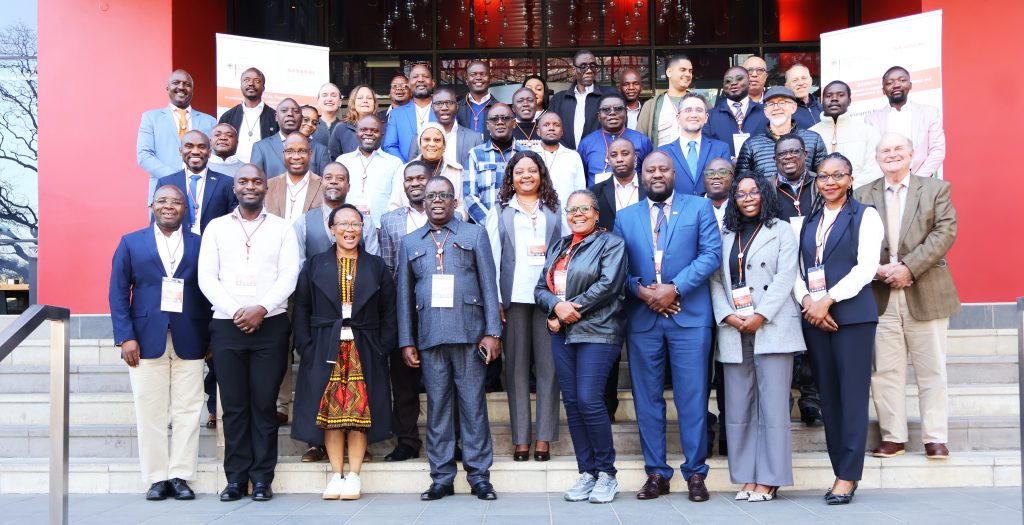
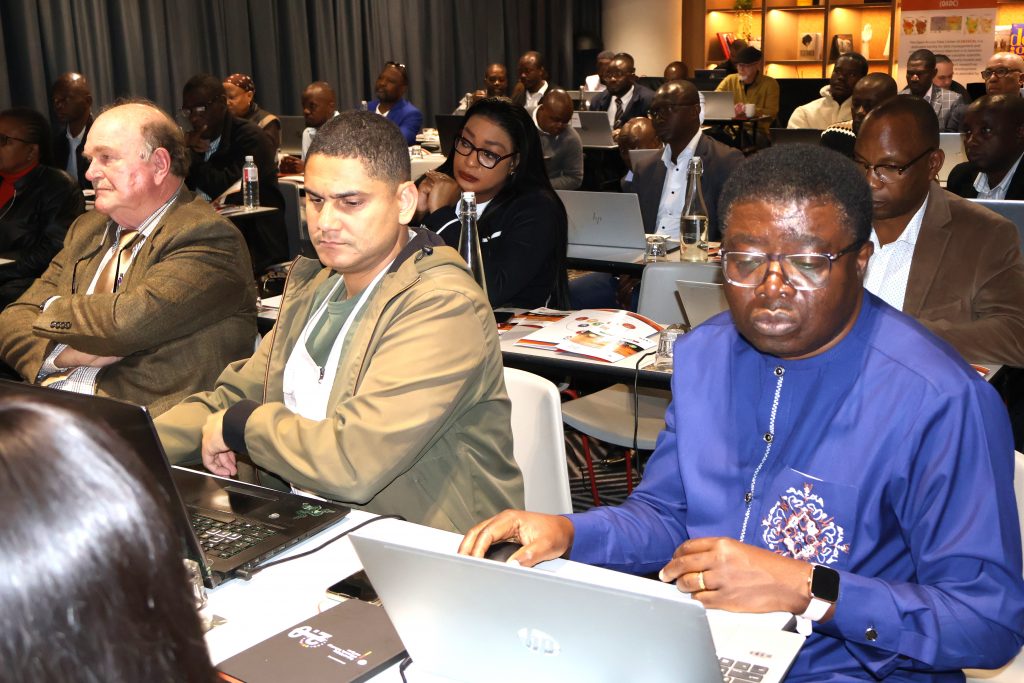
Last week, SASSCAL held its Mid-Term Technical event in South Africa from 4 – 6 August, 2025 to take stock of the programme’s accomplishments.
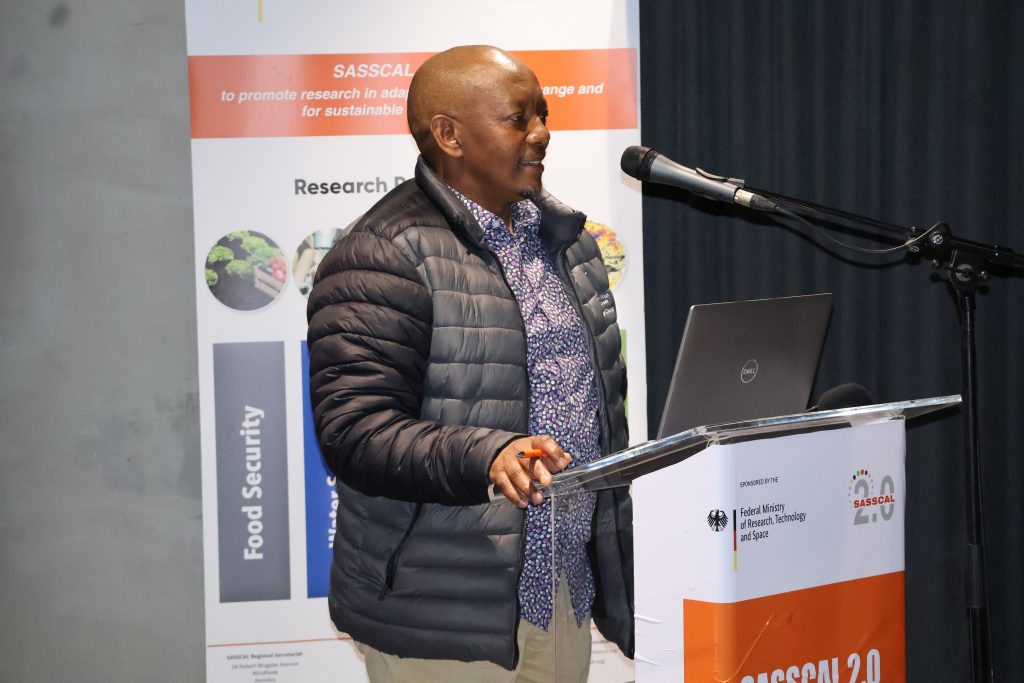
Officiating the event, SASSCAL Alternate Governing Board Member for South Africa, Mr. Matooane Leluma expressed his delight at the progress made.
“I am happy that the second Research Programme has advanced with tangible research outcomes that will play a pivotal role in climate change policy advancement in the region. I pledge South Africa’s commitment to the SASSCAL agenda, here in South Africa and the rest of the region,” he said.
Apart from the Research Programme, Mr. Leluma acknowledged the implementation of the GMES and Africa Global Monitoring for Environment and Security (GMES), The Green Hydrogen Atlas project under the Africa Go Green Hydrogen initiative, as well as the SASSCAL Graduate Studies Programme of which South Africa has fully participated with tangible outcomes.
He stressed that the outcomes of the deliberations and the scientific knowledge gained would be instrumental to climate change policy guidance.
At the event, 13 Principal Investigators presented their research projects, which have so far reached an average completion rate of 78 percent. Work on the projects continues until the conclusion of the SASSCAL 2.0 Research Programme in March 2026.
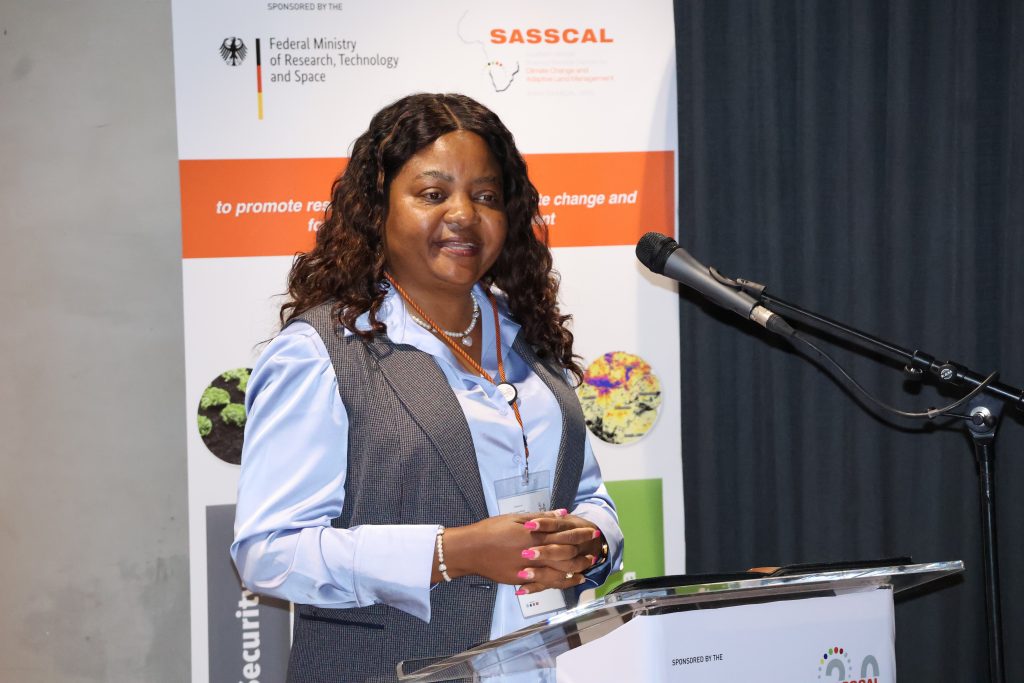
Also speaking during the event, SASSCAL Executive Director Professor Nelago Indongo said the research teams have brought data to life, translating fieldwork into insight, and insight into solutions for food security, sustainability, biodiversity protection, and climate-smart land management.
Prof Indongo pointed to some notable milestones including the development and unveiling of the Climate Services Gateway, co-produced by Wits GCI and GERICS with SASSCAL inputs including the Day Zero drought risk framework in South Africa.
At the same time, biofertilizer innovations under the SUSTAIN project have been scaled up, enhancing soil productivity and crop resilience, while more than 2,000 farmers in Zambia and Namibia have been trained by the FoSReCs project, equipping them with adaptive techniques rooted in science.
Additionally, there has been groundbreaking biometric wildlife research under ANTELOPE and genetic conservation studies under FRAMe and Plant Properties.
In line with SASSCAL Thematic Areas of Food Security, Biodiversity Conservation, Forestry and Woodlands, Water Security and Climate Services, the 13 SASSCAL Projects have currently achieved as follows: WIRE 90%, VRPE 65%, TIPPECC 75%, SUSTAIN 75%, RIBS 76%, Plant Properties 70%, FOSReCs 78%, FRAME 79%, ELNAC 76% Climate Smart Crops 89%, Beekeeping 90%, Antelope 78%, and ANGSOILS 70%
The Principal Investigators (PIs) presented how their research projects are helping communities mitigate and adapt to the effects of climate change throughout the sub-region.
The 13 projects implemented through SASSCAL 2.0 Research Programme are gearing up for the SASSCAL 2.0 Conference scheduled for later this year.
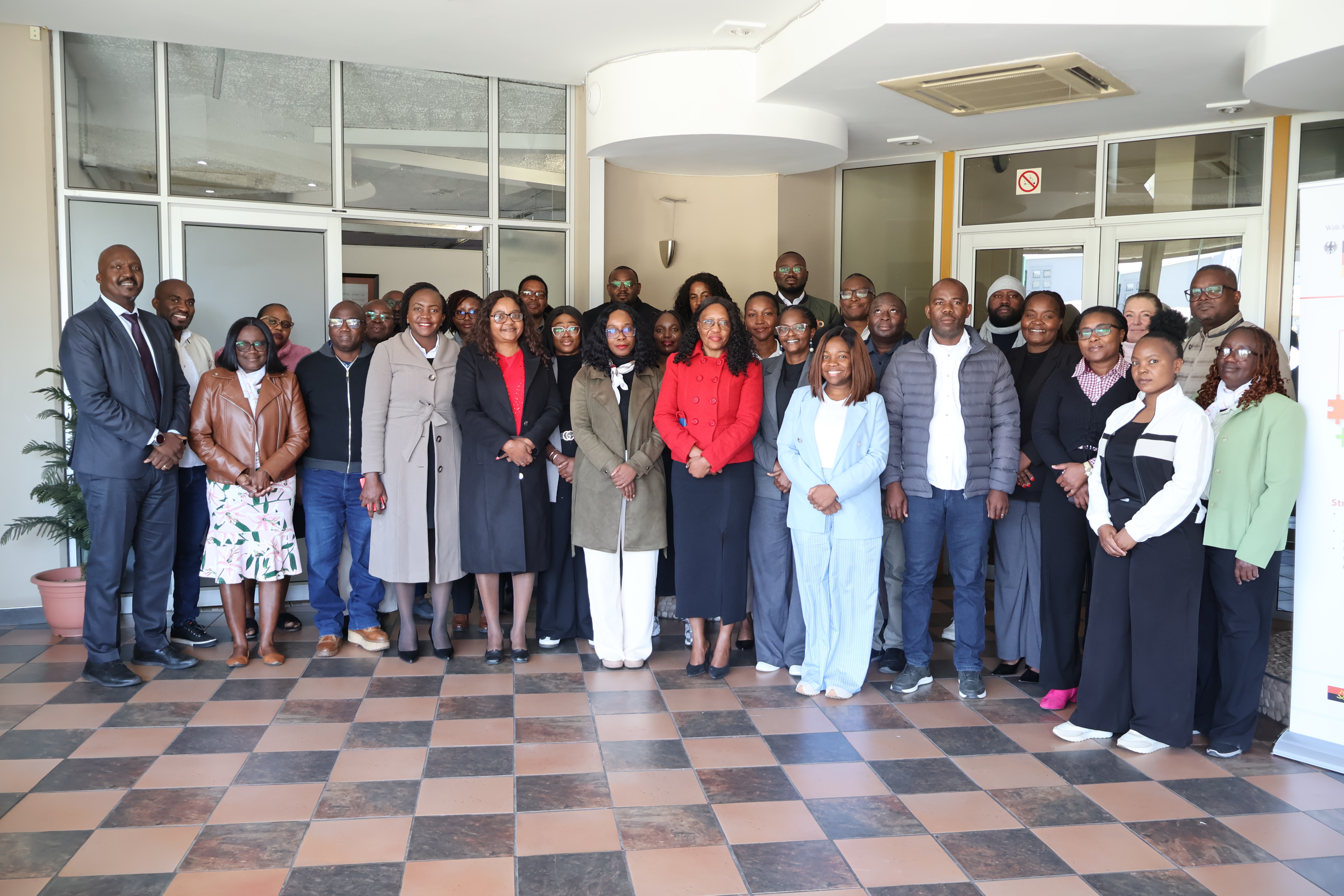
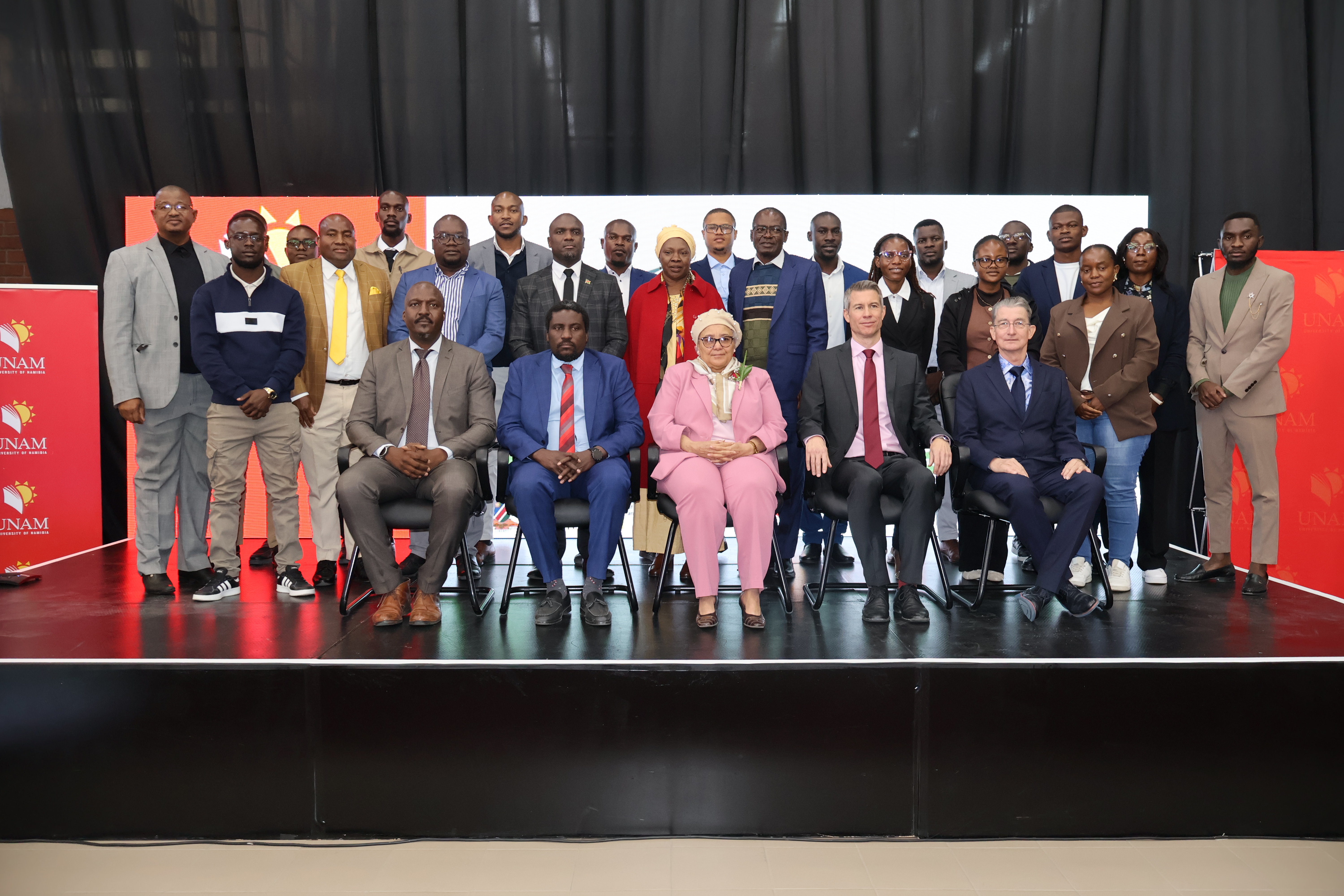
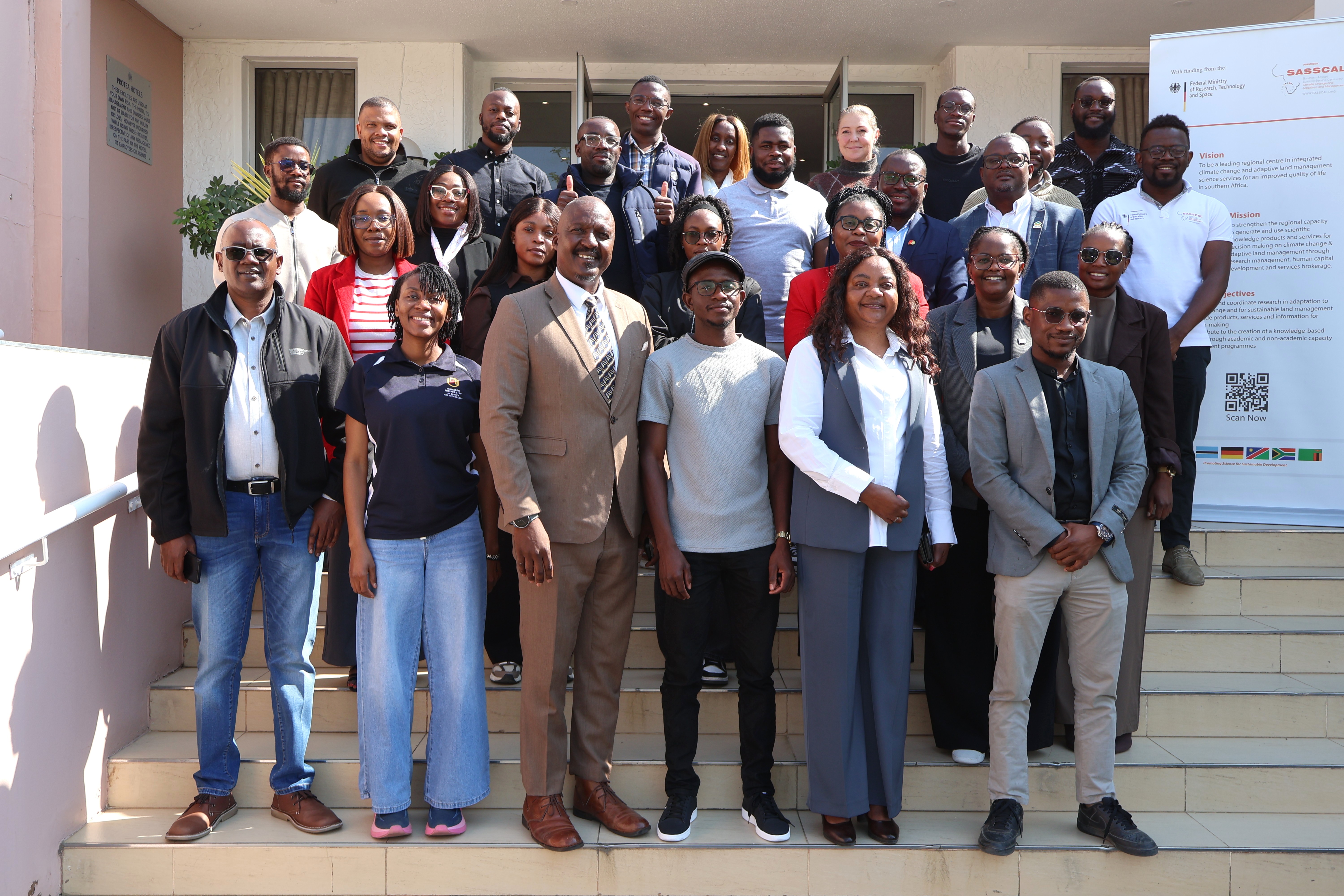
Also in attendance at the meeting were SASSCAL management and staff and PIs from the 13 SASSCAL 2.0 projects.