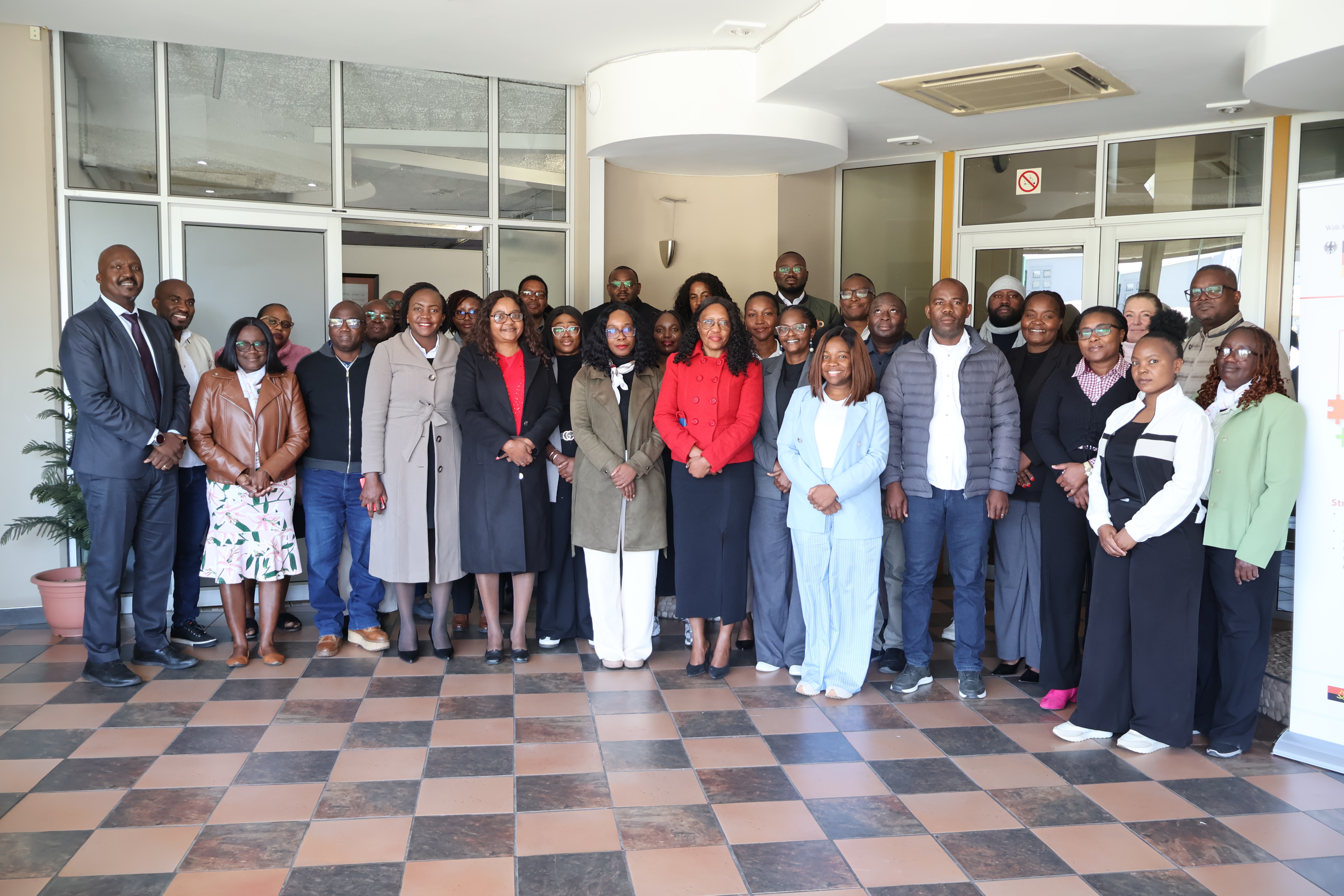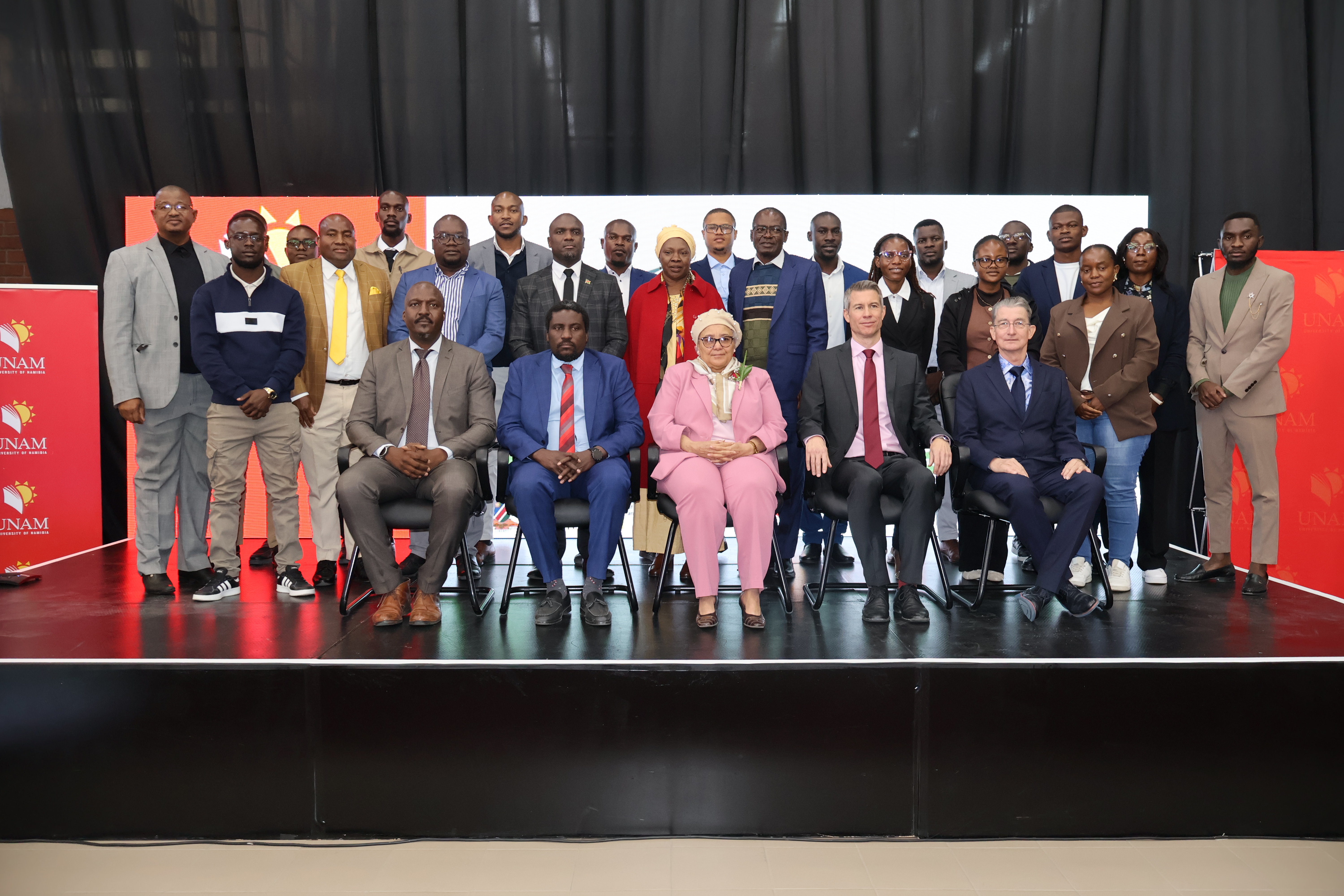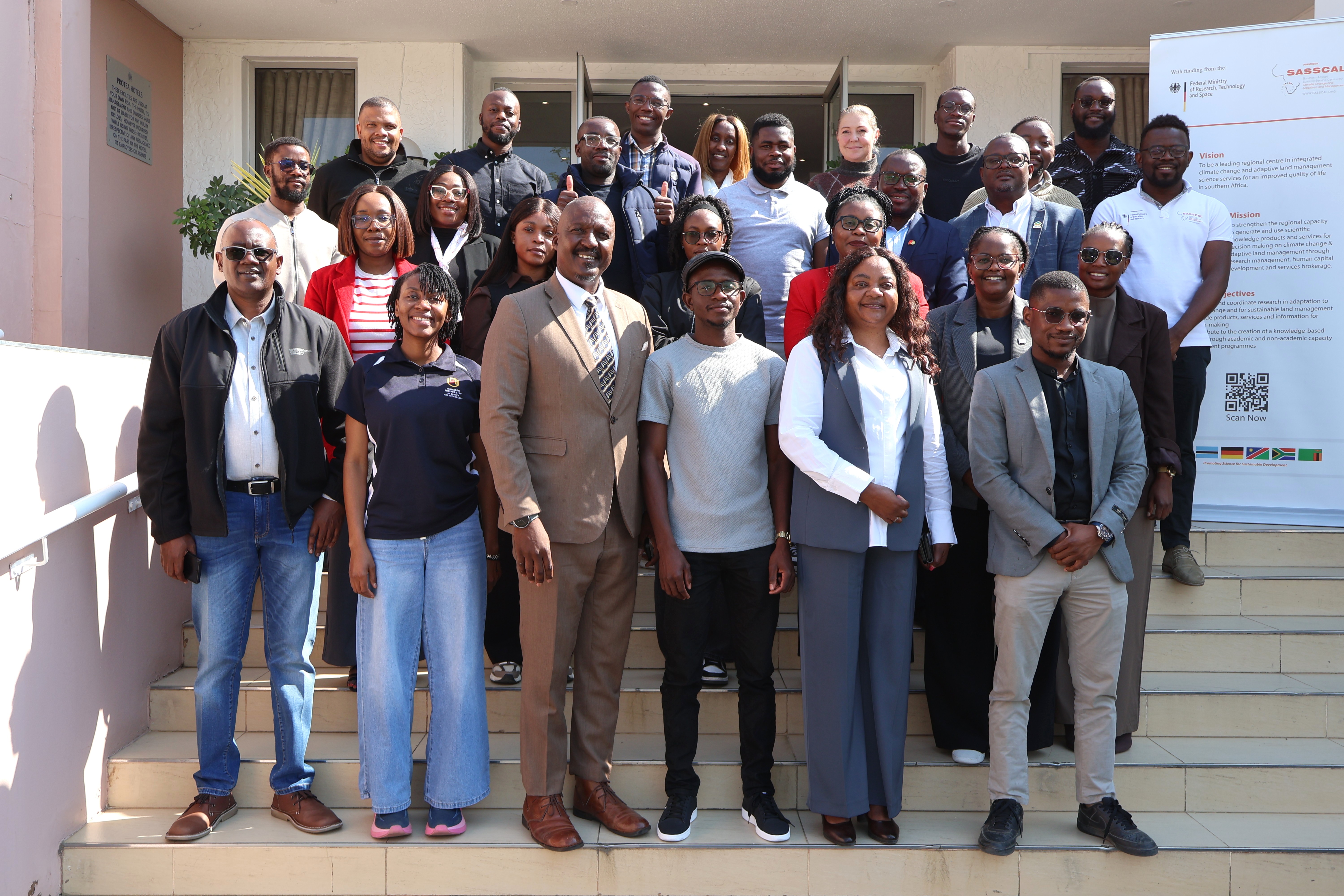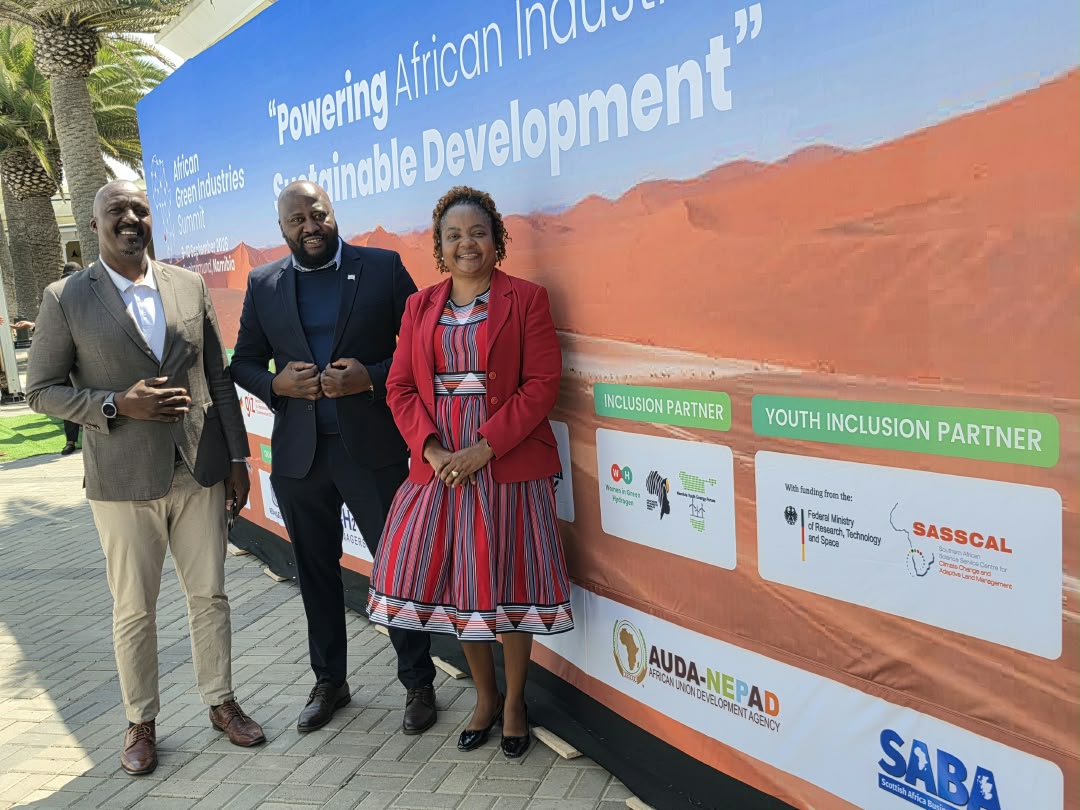
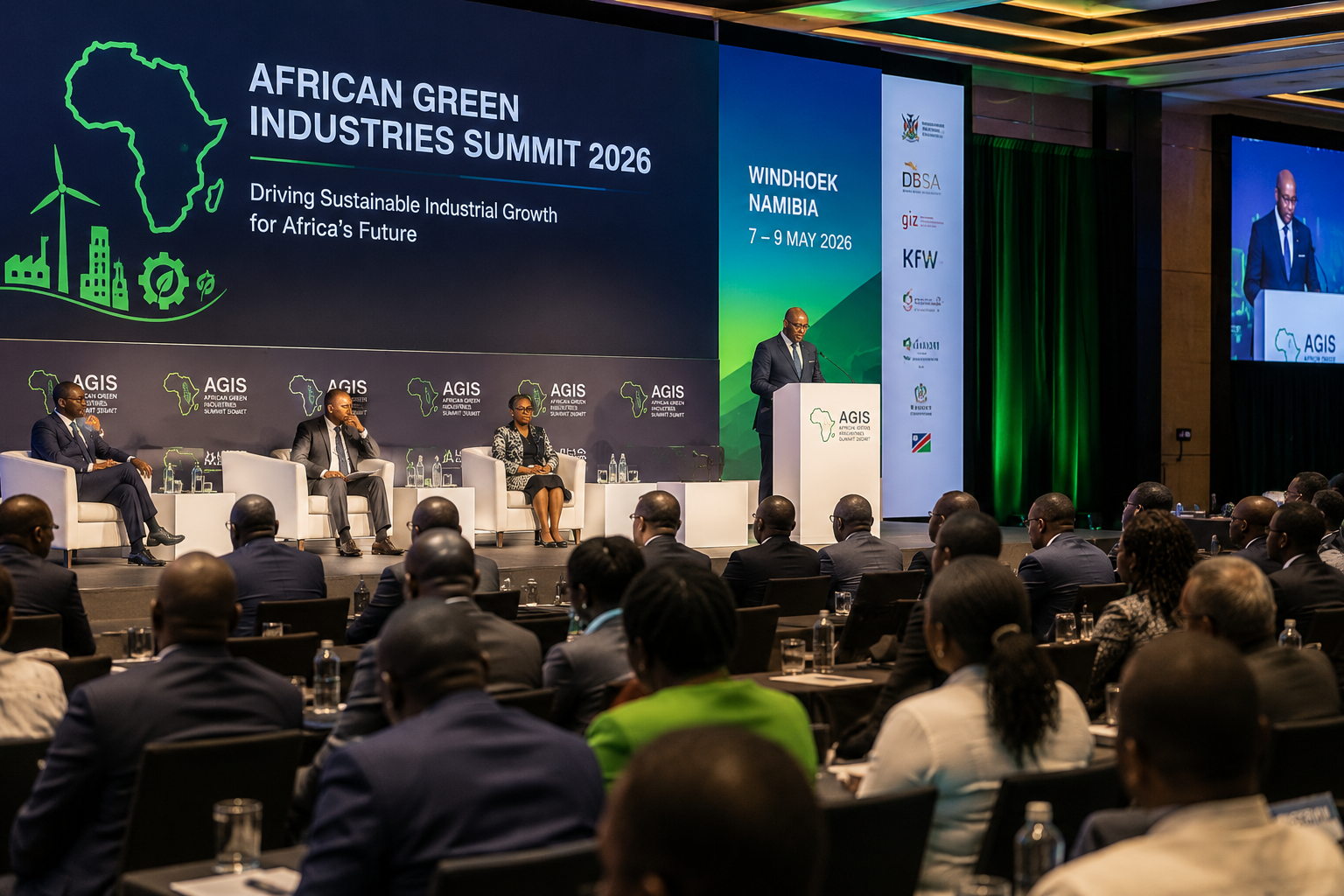
SASSCAL Executive Director, Prof. Nelago Indongo, delivered remarks as a Strategic Partner at the African Green Industries Summit (AGIS) 2026, held in Swakopmund, Namibia, from 9 to 10 September 2026.
The Summit, held under the theme “Powering African Industries for Sustainable Development,” brought together government leaders, policymakers, investors, project developers, financiers, technology providers, development partners and industry representatives from Africa and beyond.
AGIS 2026 succeeded the Global African Hydrogen Summit and broadened the conversation beyond green hydrogen to Africa’s wider green industrialisation agenda.
The Summit focused on turning Africa’s renewable energy and natural resource potential into sustainable industries and investment opportunities. Discussions covered renewable energy, green hydrogen, critical minerals, sustainable manufacturing, infrastructure, mining and green finance.
Participants included representatives from the World Bank, European Union, German Embassy in Namibia, GIZ GET.transform, KfW Bank Namibia and NamPower, among others. Representatives from African governments and regional institutions also participated.
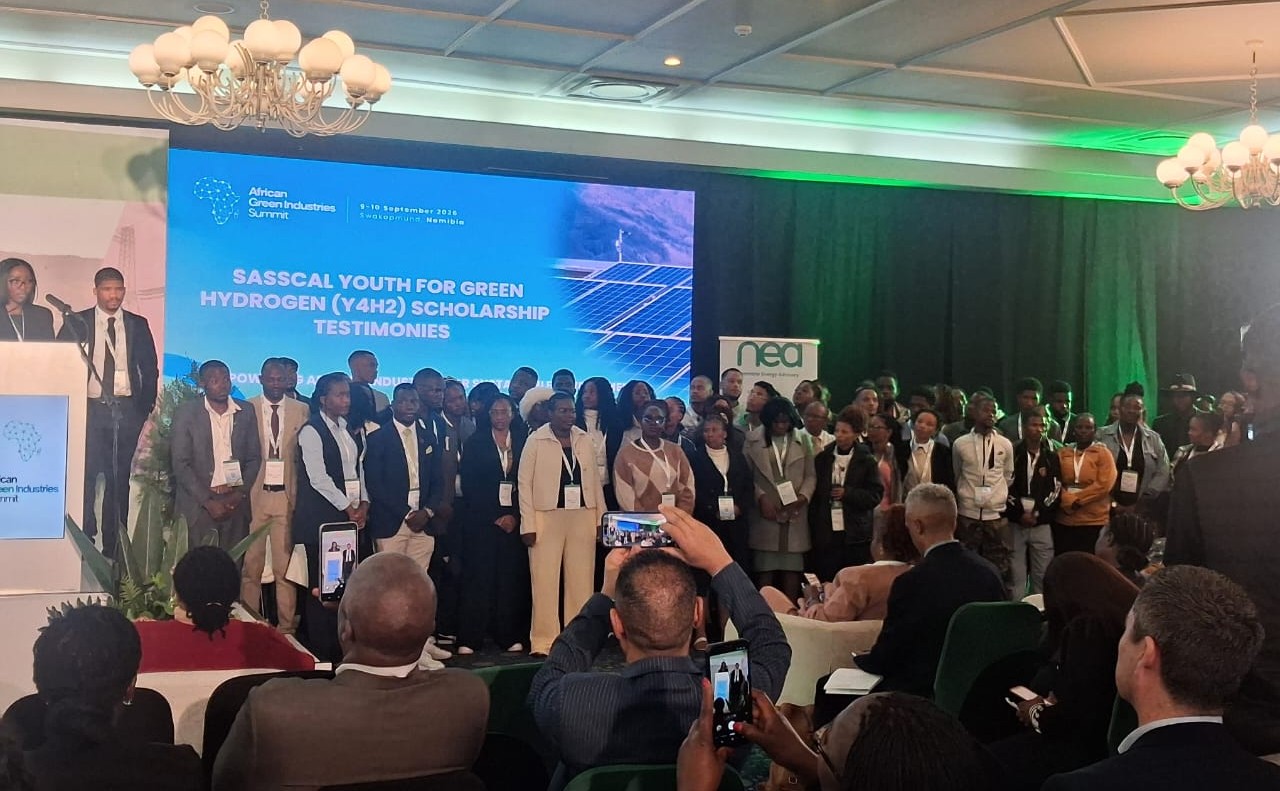
About 100 SASSCAL-sponsored students under the Youth for Green Hydrogen (Y4H2) Scholarship Programme also attended the Summit. Their participation provided an opportunity for the students to share their academic progress and experiences and to engage with key stakeholders in the growing green hydrogen and green industrial sectors.
Namibia’s National Planning Commission Director-General, Ambassador Kaire Mbuende, delivered the Summit’s keynote address.
Science and data must support Africa’s green industrialisation
In her remarks, Prof. Indongo highlighted the important role that scientific research, reliable climate information and innovation must play as Africa attracts investment into green industries.
“This is particularly important as Africa seeks to mobilise significant public and private investment into green industries. We need to ensure that those investments are not only economically attractive, but also climate-resilient, environmentally sustainable and capable of delivering long-term value,” she said.
She explained that, as a climate service centre, SASSCAL can contribute to this agenda by translating climate and environmental science into practical information that governments, businesses and investors can use.
Climate information and scientific data can help governments develop policies, support investors in assessing climate-related risks and opportunities, guide infrastructure and spatial planning, strengthen early-warning systems and support the development of climate-resilient investments and value chains.
Prof. Indongo stressed that research must go beyond generating knowledge and should contribute to practical decision-making.
“We need to move from research that sits on shelves to research that informs policies. We need to move from data that exists in isolation to data that is accessible and usable. And we need to move from innovation as an academic concept to innovation that solves real problems for communities, businesses and governments,” she said.
Better data for better investment decisions
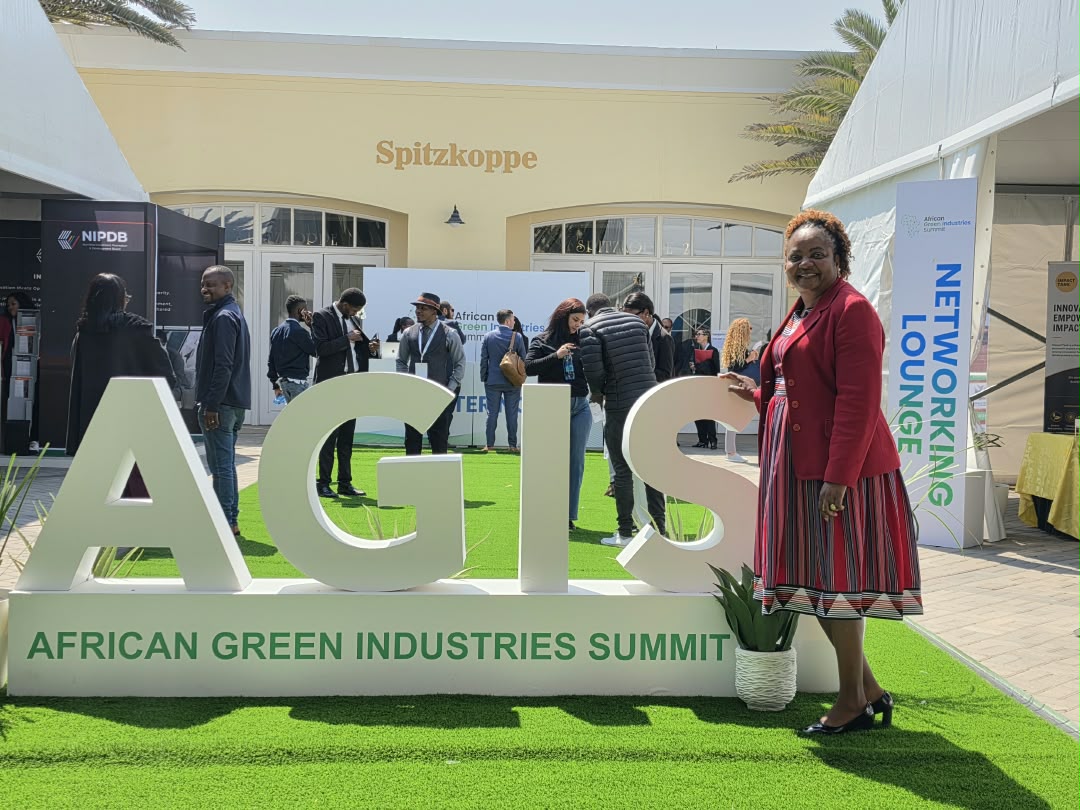
Prof. Indongo also highlighted the importance of reliable environmental and climate information when planning major green industrial investments.
Africa’s green industrial ambitions, she said, need to be based on a clear understanding of environmental systems, climate risks, natural resources and the changing conditions under which economies and industries will operate.
Green industrial policies and investments cannot be based on assumptions alone. Reliable research and data are needed to understand where opportunities exist, where risks are concentrated, which technologies are suitable and what infrastructure will be required.
For investors, factors such as water availability, climate variability, renewable energy potential, land suitability and extreme weather risks can influence whether a project remains viable in the long term.
“Better data therefore means better decisions. Better research means better policy. And innovation allows us to turn knowledge into practical solutions,” Prof. Indongo said.
Regional challenges require regional solutions
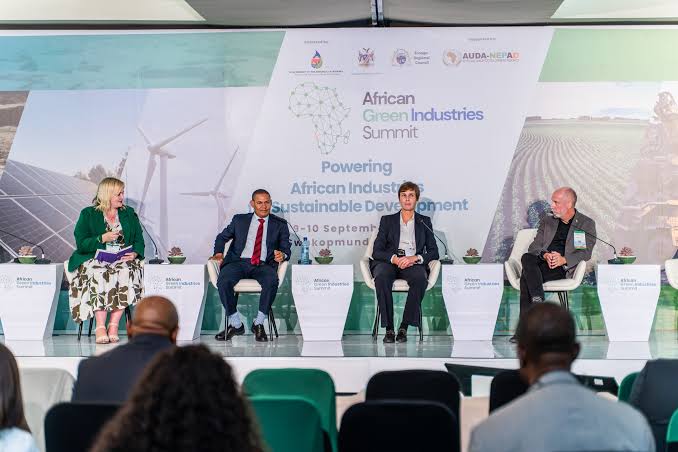
Prof. Indongo further highlighted SASSCAL’s position as a multi-country organisation that brings countries and institutions together to address challenges that extend beyond national borders.
Climate change, land degradation, water security, food systems, energy transitions and the sustainable management of natural resources are regional and continental challenges that require cooperation between countries, researchers, policymakers and development partners.
This regional approach provides SASSCAL with an important opportunity to contribute to the science and sustainability dimension of Africa’s green industrial transition.
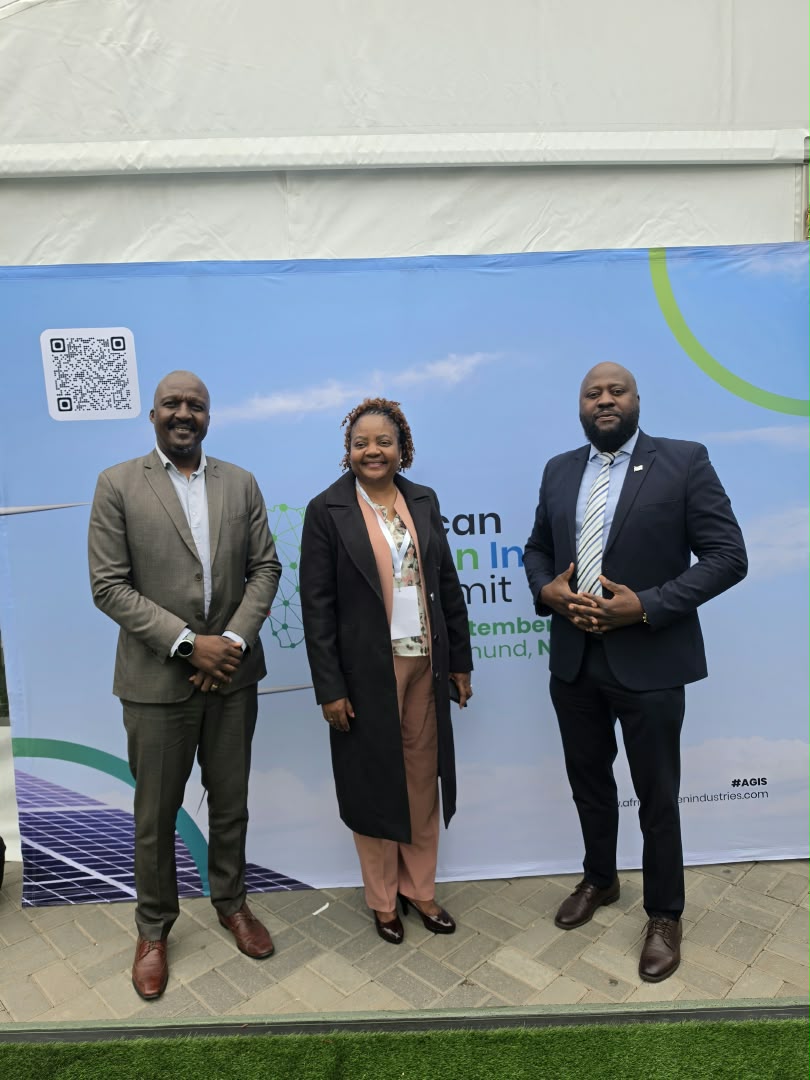
Prof. Indongo was accompanied at the Summit by Mr. Clive Mulumba, SASSCAL Director of Administration and Finance, and Dr. Budzanani Tacheba, SASSCAL Director of Science, Technology and Human Capacity.
Namibia’s growing green industrial pipeline
A major topic highlighted during the Summit was Namibia’s growing green industrial project pipeline, which was reported at approximately US$20 billion.
The pipeline covers projects in areas such as green ammonia, fertiliser, biomethanol, hydrogen power and storage, critical minerals, manganese refining, electrolyte manufacturing, ceramics and glass.
The two-day Summit featured 12 panel discussions focusing on how Africa can translate its renewable energy potential into industrial development, investment, jobs and sustainable economic growth.
The programme was followed by site visits to selected green hydrogen and renewable energy projects in Namibia’s Erongo Region.
By expanding from the previous Global African Hydrogen Summit into the African Green Industries Summit, the platform reflects a broader approach to Africa’s green transition — moving beyond hydrogen production towards industries, technologies, infrastructure and investments that can support sustainable economic development across the continent.
For SASSCAL, this transition presents an opportunity to ensure that science, climate information, research and innovation remain at the centre of Africa’s green industrial future.