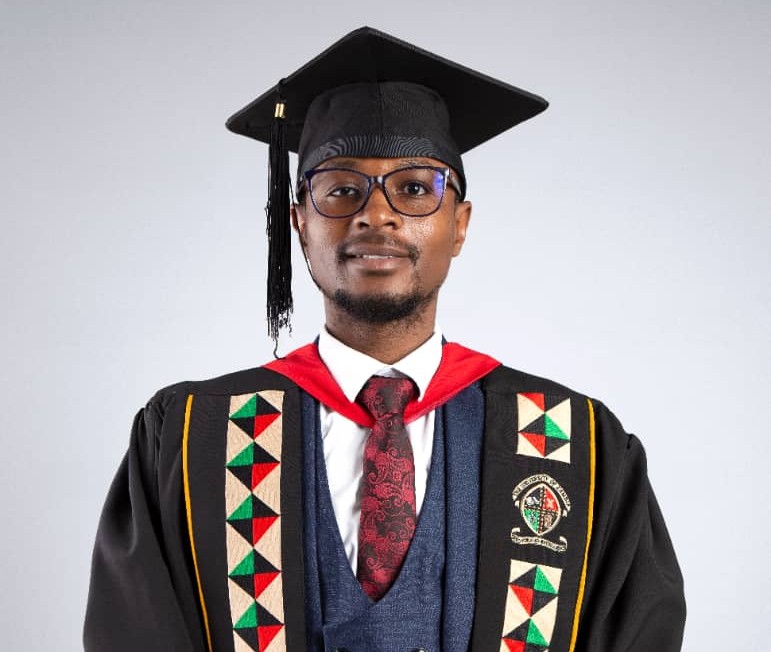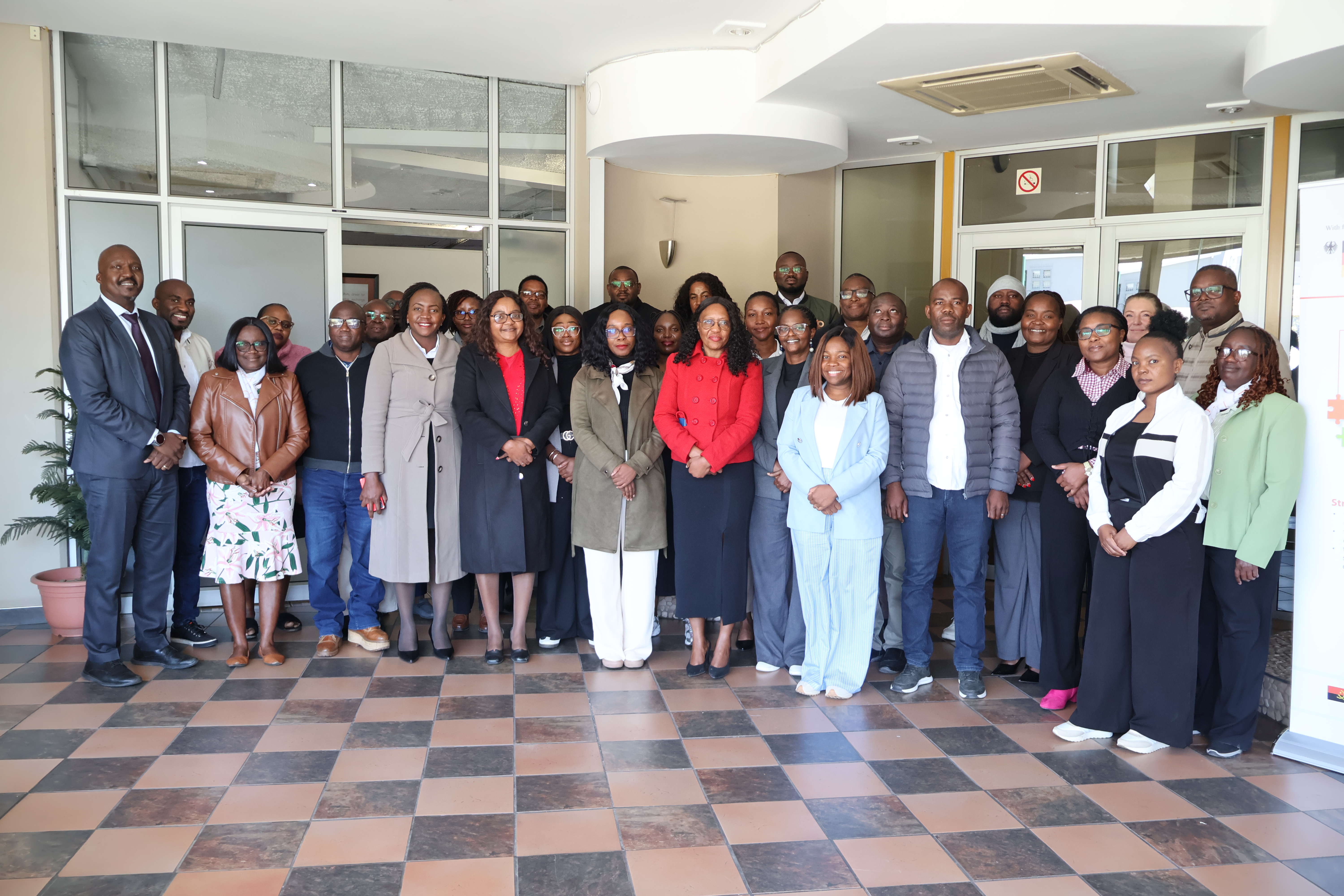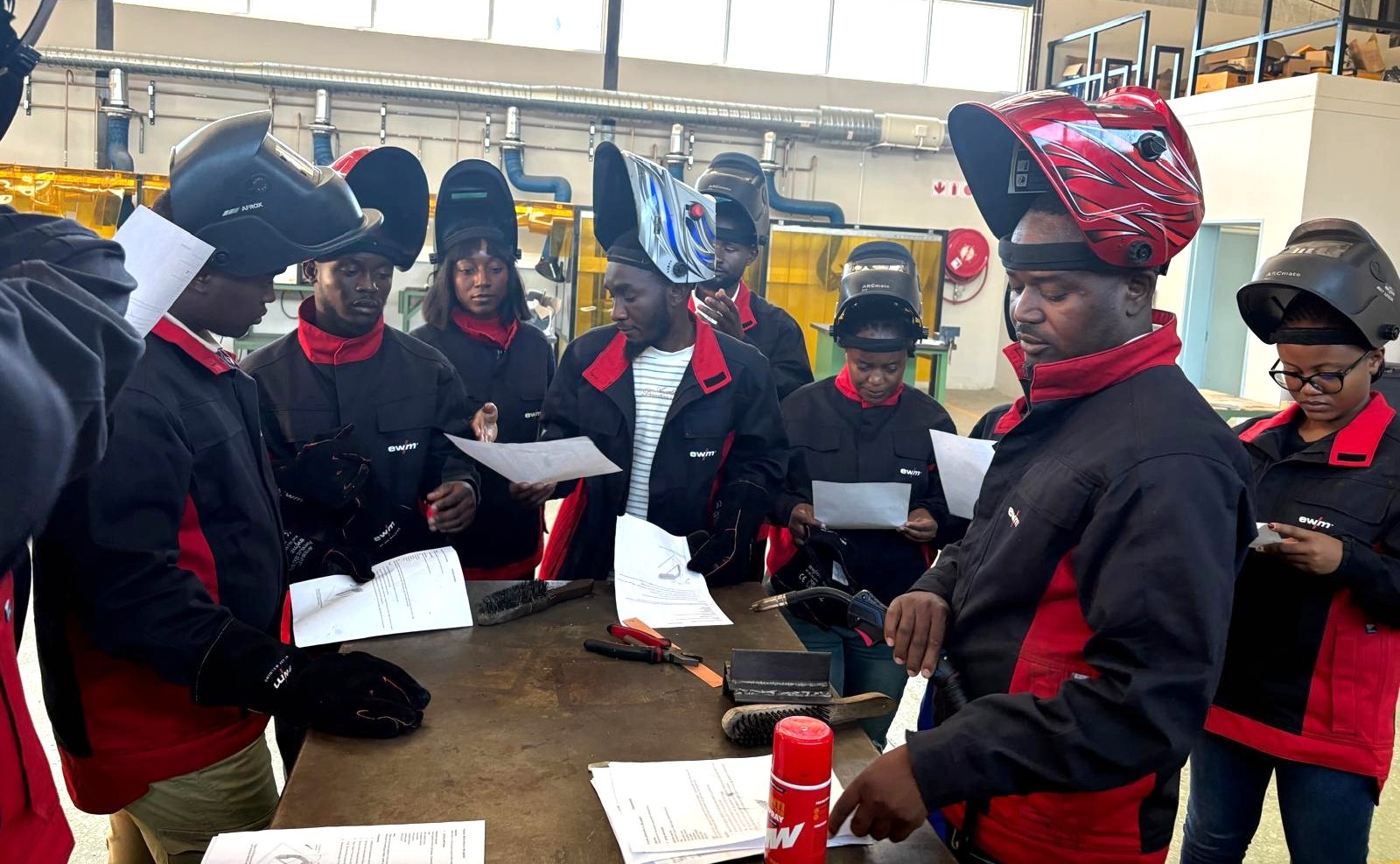
In a major step towards developing Namibia’s skilled workforce for emerging industries, students sponsored through the UNAM RealTest Project, supported by the German Federal Ministry of Research, Technology and Space (BMFTR) in collaboration with SASSCAL, have successfully completed the country’s first International Welding Engineer (IWE) Training Programme.
The training, which took place from 13 April to 21 August 2026, was delivered by the University of Namibia (UNAM) in collaboration with the Association for Welding and Allied Processes of Namibia (WeldNAM). A total of 11 students successfully completed the programme. Nine students were sponsored through the RealTest Project, while the remaining two received private sponsorship from WeldNAM member companies. The achievement marks an important step in preparing Namibian professionals to support the country’s growing industries, particularly green hydrogen, renewable energy, mining, marine engineering, infrastructure development and advanced manufacturing.
Supporting Namibia’s Green Hydrogen and Emerging Industries
As Namibia develops its green hydrogen industry and expands other industrial sectors, there is a growing need for highly skilled engineers who can meet international safety and quality standards. International Welding Engineers play an important role in the design, construction, inspection and maintenance of industrial equipment, pipelines, pressure systems and other infrastructure used in these industries. Through the financial support of BMFTR and the collaboration between SASSCAL and UNAM, the RealTest Project is helping Namibia develop these specialised skills locally.
This investment in skills development will help reduce the country’s dependence on international experts, create employment opportunities for Namibians and strengthen the participation of local companies in major industrial projects. The programme is already showing positive results. Seven of the 11 graduates have secured employment with companies, while the remaining four are undergoing placement processes.
BMFTR and SASSCAL Investing in Skills for the Future
The International Welding Engineer training forms part of the RealTest Project, which is supported by BMFTR through SASSCAL and implemented by UNAM. The project aims to strengthen Namibia’s technical and research capacity, particularly in areas that support the development of the country’s green hydrogen industry and other emerging industrial sectors.
Through the RealTest Project, a total of 40 International Welding Engineer students are expected to receive financial support between 2026 and 2028.
Following the successful completion of the first group in 2026, two additional groups are planned for 2027, with the final group expected to complete training in 2028. This initiative reflects the continued commitment of BMFTR and SASSCAL to supporting skills development, technology transfer and industrial growth in Namibia.It also demonstrates the importance of international partnerships in preparing young professionals to take advantage of employment and business opportunities created by emerging industries.
Developing Internationally Recognised Engineering Skills
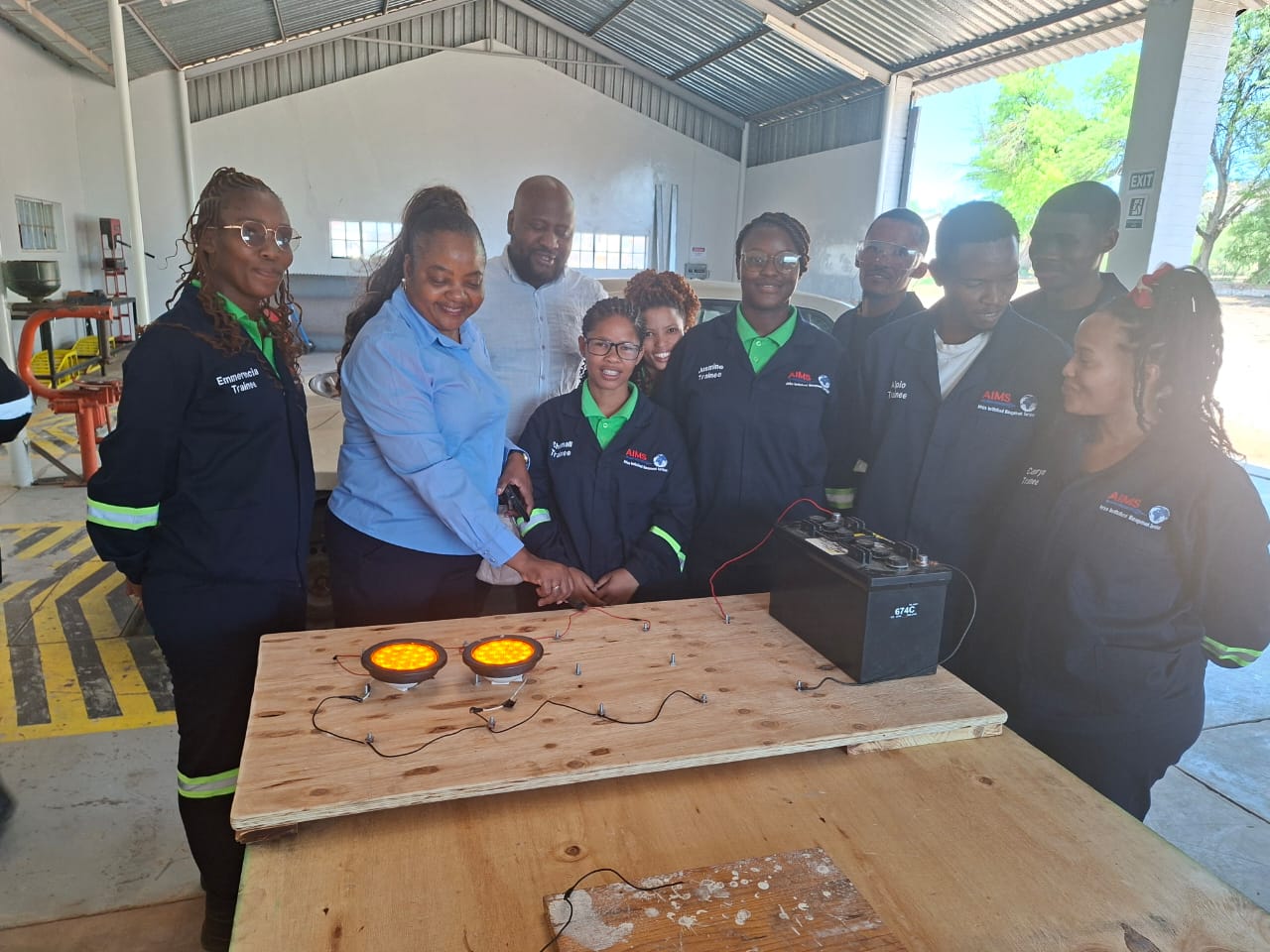
The IWE programme follows the international education and qualification standards of the International Institute of Welding (IIW). During the training, students gained knowledge and practical skills in welding processes, materials, engineering design, fabrication, inspection and quality management. These skills will enable graduates to work on complex industrial projects and ensure that welding activities meet international safety and quality requirements. UNAM provided the academic and training environment, while WeldNAM supported the coordination of welding education and qualifications in line with international standards. The programme also contributes to efforts to position UNAM as a regional centre of excellence in welding, manufacturing and production engineering.
Strengthening Partnerships for Industrial Development
The successful completion of the first IWE training programme highlights the importance of partnerships between governments, research institutions, universities and the private sector. Through BMFTR’s financial support, SASSCAL’s collaboration, UNAM’s technical expertise and WeldNAM’s industry involvement, Namibia is developing a skilled workforce capable of supporting its industrial development. The participation of private companies in sponsoring two students also highlights the importance of industry involvement in building local expertise.The initiative is expected to contribute to job creation, improve technical skills and support Namibia’s ambition to become an important player in the green hydrogen industry and other emerging industrial sectors.
For SASSCAL and BMFTR, the programme represents another important contribution towards developing local skills, strengthening scientific and technical capacity, and supporting sustainable economic development in Namibia.
The 11 Graduates
- Mr. Friedolf Stein
- Ms. Johanna Shinana
- Mr. Kaume Haiketi
- Ms. Natalia Andreas
- Mr. Ignatius Shahonya
- Ms. Ndahekelekwa Luuli
- Mr. Paavo Nghikevali
- Ms. Namutneya Enguwa
- Mr. Junestus Negongo
- Mr. Absalom Kambonde