The Southern African Science Service Centre for Climate Change and Adaptive Land Management (SASSCAL) has completed a major upgrade of weather monitoring infrastructure across its member countries under the WeNET Project. Over the past 12 months, the organisation has installed new Automatic Weather Stations (AWS) and refurbished older ones at a total project cost of €284,552.50.
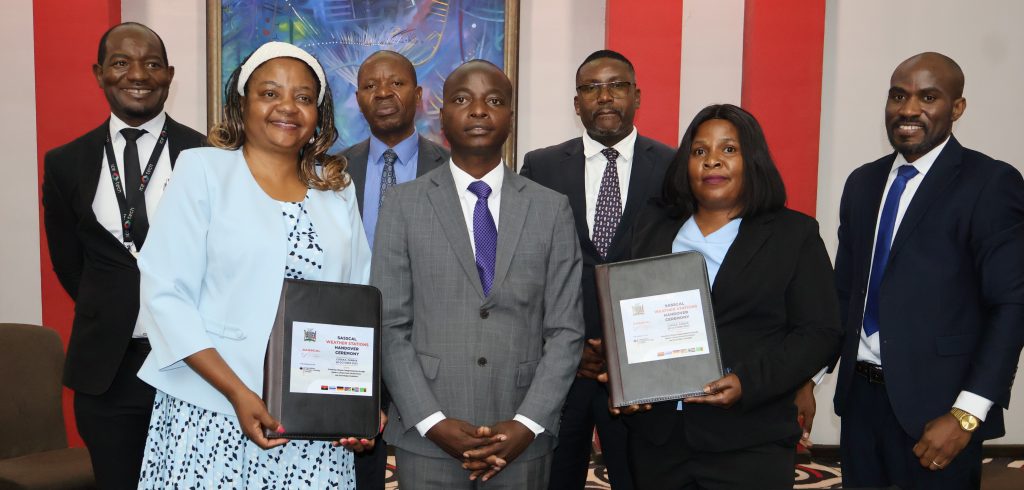
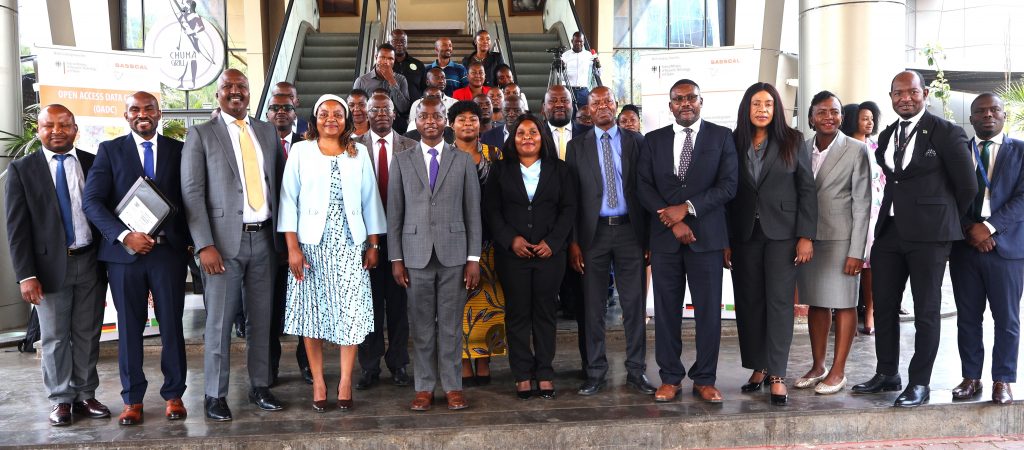
In Zambia, SASSCAL officially handed over 15 new state-of-the-art AWS to the Zambia Meteorological Department (ZMD) on 28 October 2025 in Lusaka. The stations, which are spread across all 10 provinces, were handed over during a ceremony officiated by Dr. Brilliant Habeenzu, Permanent Secretary in the Ministry of Technology and Science. The event was held under the theme “Enhancing Climate Change Response through Modern Climate Data Infrastructure and Technological Solutions.”
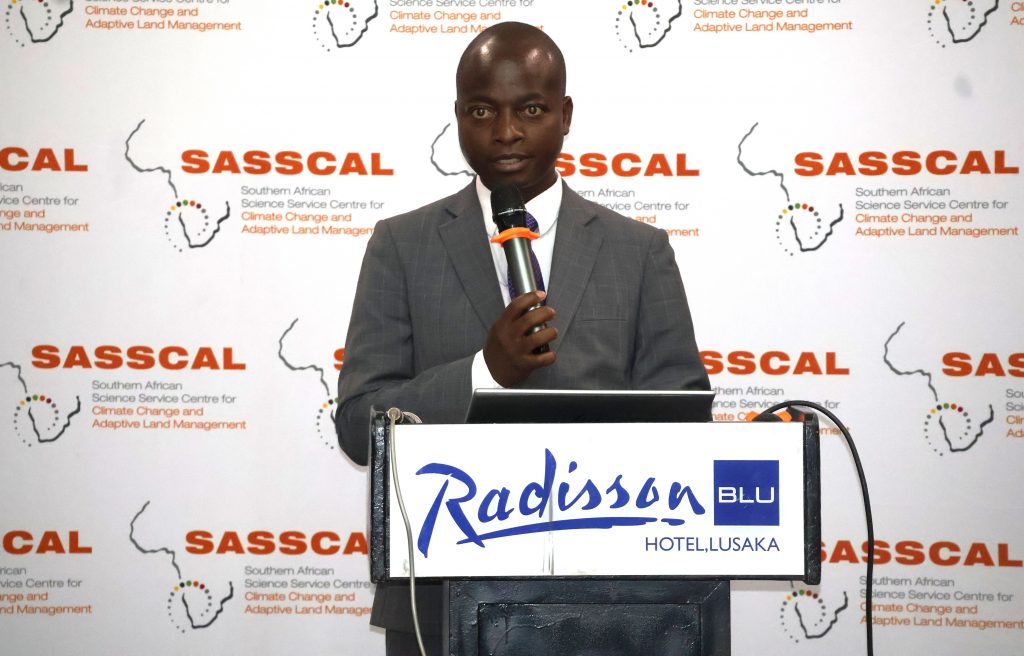
Speaking during the ceremony, Dr. Habeenzu said the new stations will bring direct benefits to communities across the country. “For the ordinary farmer in rural Zambia, accurate weather forecasts will help determine the right time to plant, irrigate, or harvest crops, reducing losses and increasing yields. Fishermen will know when strong winds or storms are expected, helping to save lives and resources. Communities will be better prepared for floods or droughts, allowing them to plan water use wisely and protect their families and livestock. In short, science and data will translate into practical decisions that improve daily life and sustain livelihoods.”
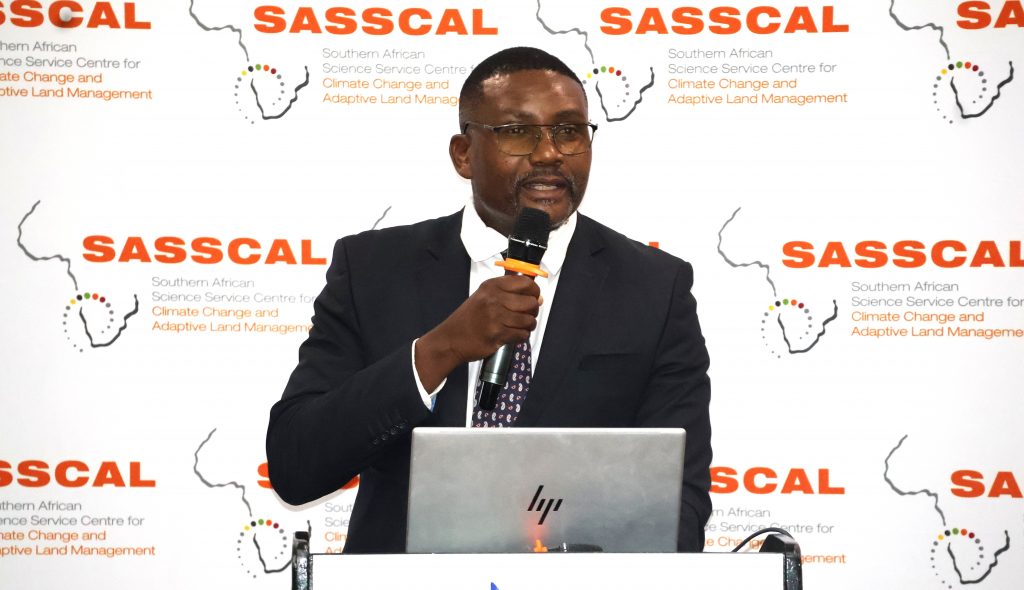
SASSCAL Alternate Governing Board Member for Zambia, Mr. John Lukonde Chongo, described the handover as an important milestone for climate monitoring and sustainable development in the region. He noted that reliable weather data is essential for food and water security, climate research, and long-term planning. He added that continued partnerships, teamwork, and knowledge sharing are key to improving climate services and promoting environmental sustainability. “Together, we are building a stronger and more climate-resilient Southern Africa,” he said.
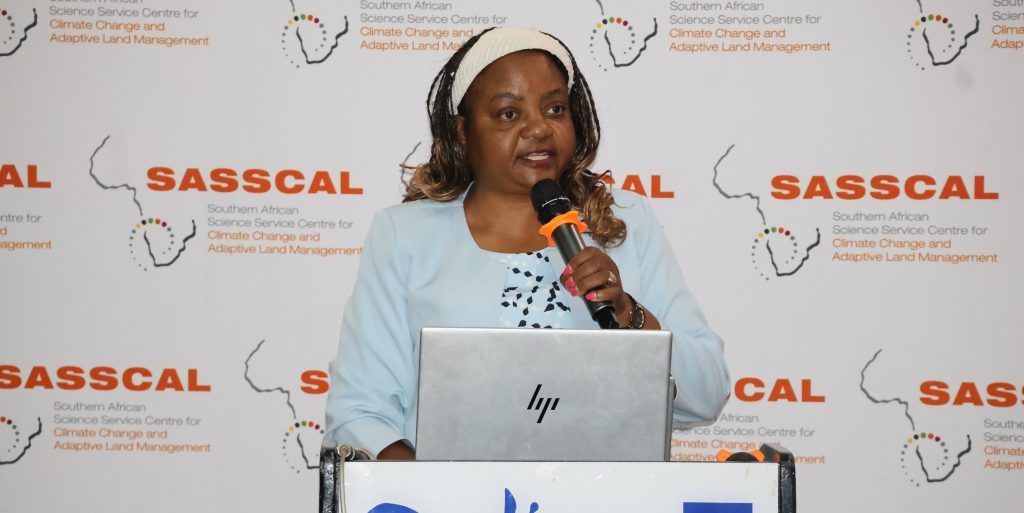
SASSCAL Executive Director, Prof. Nelago Indongo, who handed over the equipments on behalf of the organisation, explained that the weather network has been modernised by replacing outdated systems with modern automatic technologies. She said SASSCAL 2.0 is strengthening and expanding the WeatherNET system to ensure that reliable climate data remains accessible for climate science, biodiversity conservation, sustainable forest management, and water resource planning.
Prof. Indongo added that the WeNET Project, funded by the German Federal Ministry of Research, Technology and Space, is a strategic response to the urgent need for improved meteorological infrastructure in Southern Africa. The project is being implemented in Angola, Botswana, Namibia, and Zambia, and builds on the foundation laid under SASSCAL 1.0.
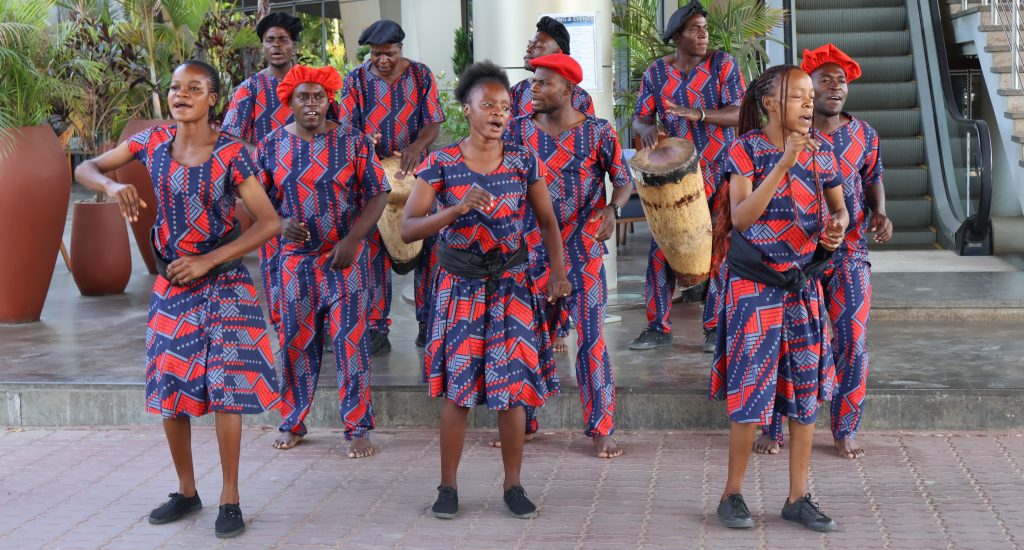
The upgraded network includes new installations at several sites, some of which are part of long-term biodiversity monitoring areas established across SASSCAL member countries. The refurbishment addressed previous challenges such as equipment degradation and declining data quality in some stations. With new hardware, improved infrastructure, and extended coverage, the WeatherNET system is now better positioned to support scientific research and public decision-making, said, the Executive Director.
The project also focused on capacity building. National meteorological services played a central role by identifying station sites and participating in technical training. Train-the-Trainer workshops and hands-on field sessions were conducted to ensure local technicians can maintain the new systems. Coordination meetings and task force teams were also established to support smooth implementation across the region.
In Zambia, the ZMD worked closely with SASSCAL to ensure all stations were installed and upgraded to modern Campbell Scientific standards. The stations now transmit real-time data on rainfall, air and soil temperature, humidity, wind speed and direction, barometric pressure, solar radiation, leaf wetness, and other key environmental indicators.
All data from the stations is freely accessible on the SASSCAL WeatherNET platform WWW.SASSCALWEATHERNET.ORG, which provides near real-time information to support climate research, disaster preparedness, and the management of droughts, floods, and other climate-related risks.
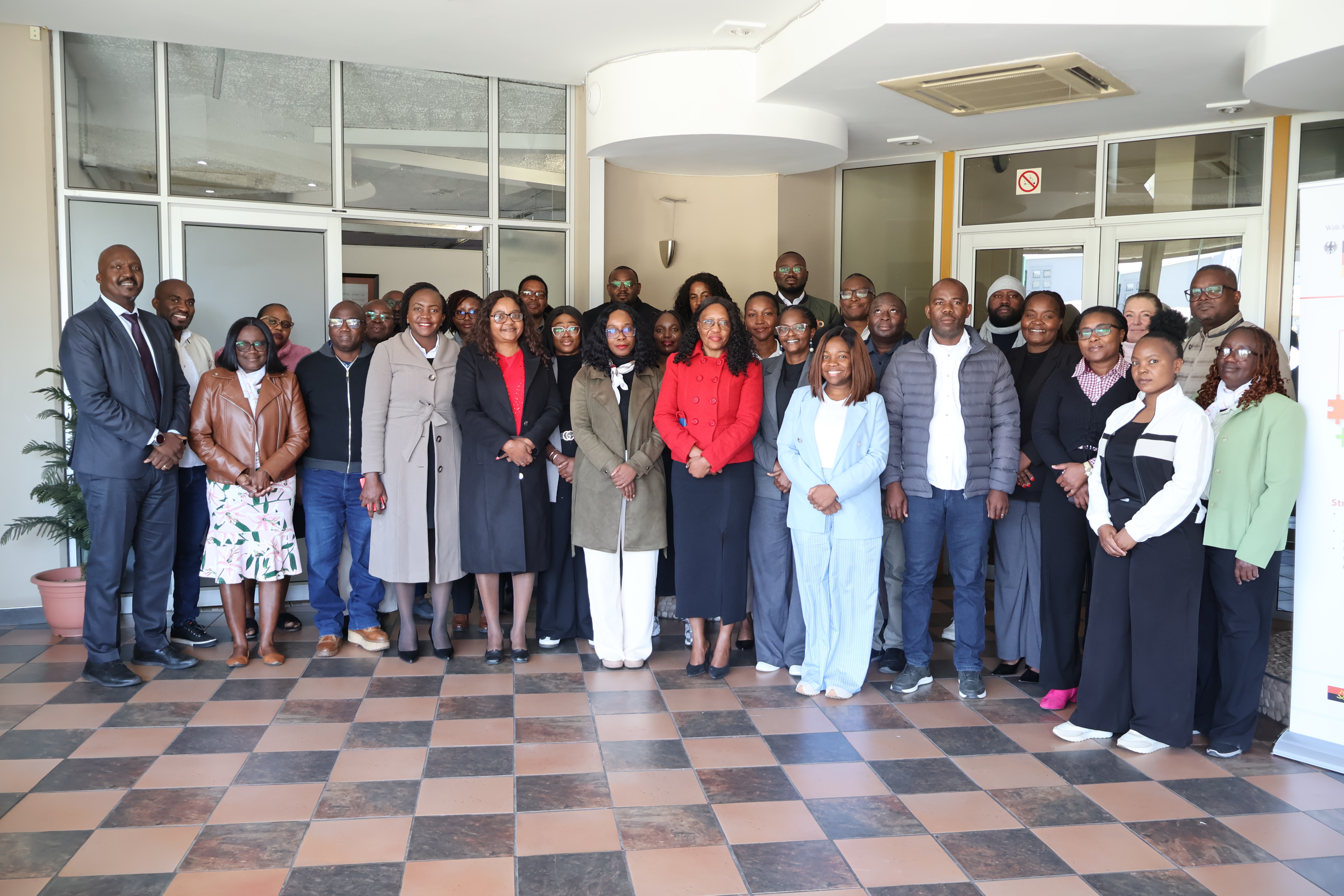
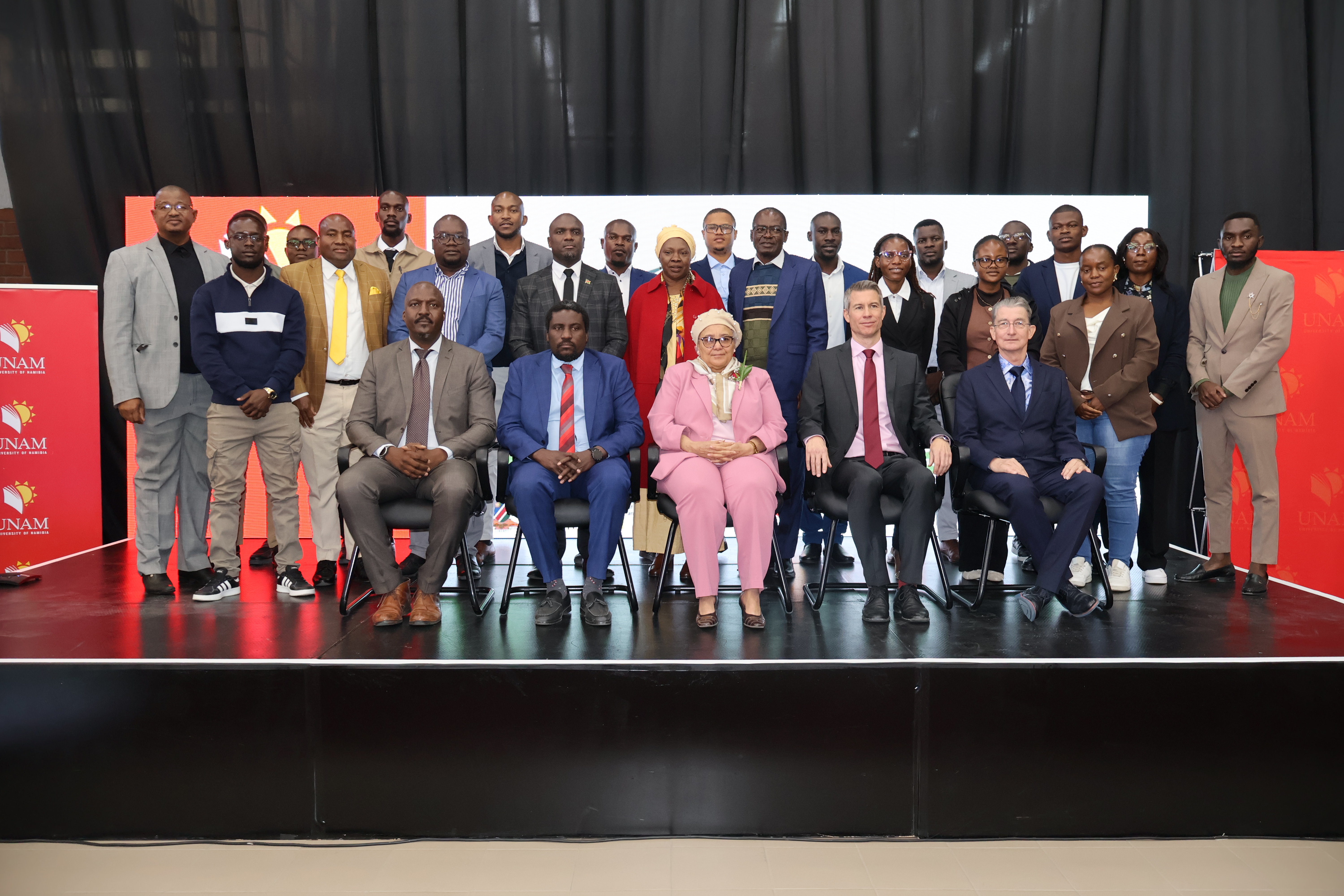
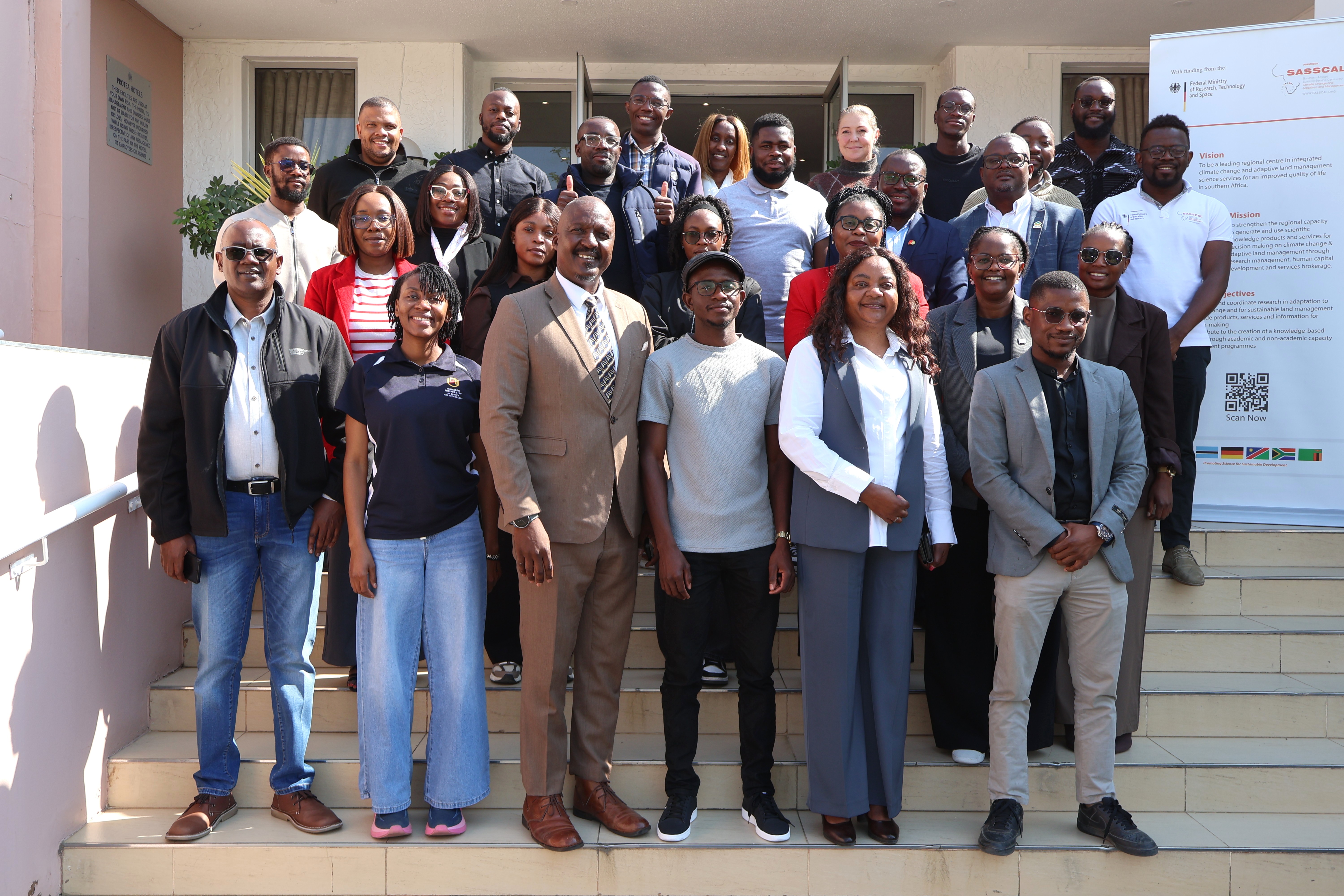
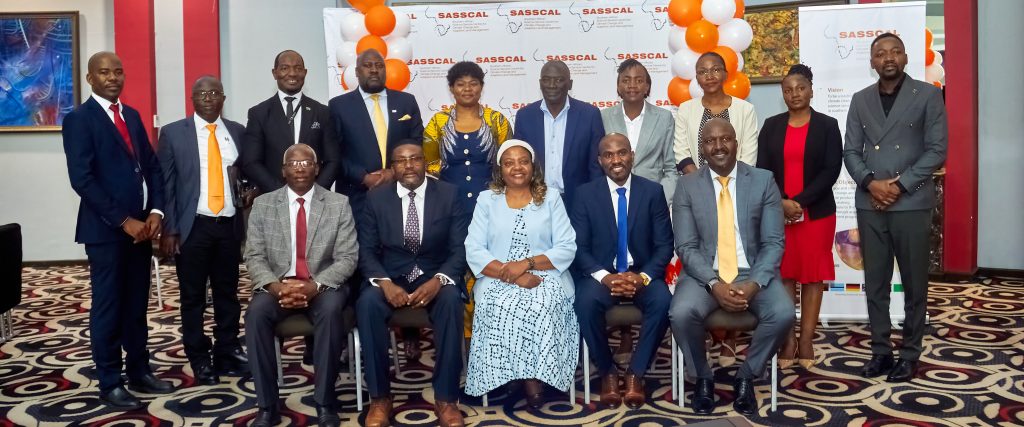
The handover ceremony was attended by a high-level delegation, including Dr. Brilliant Habeenzu; Mr. John Lukonde Chongo; Prof. Nelago Indongo; representatives from the Zambia Meteorological Department; officials from the Ministry of Technology and Science; SASSCAL management and staff; and more than 50 other participants.