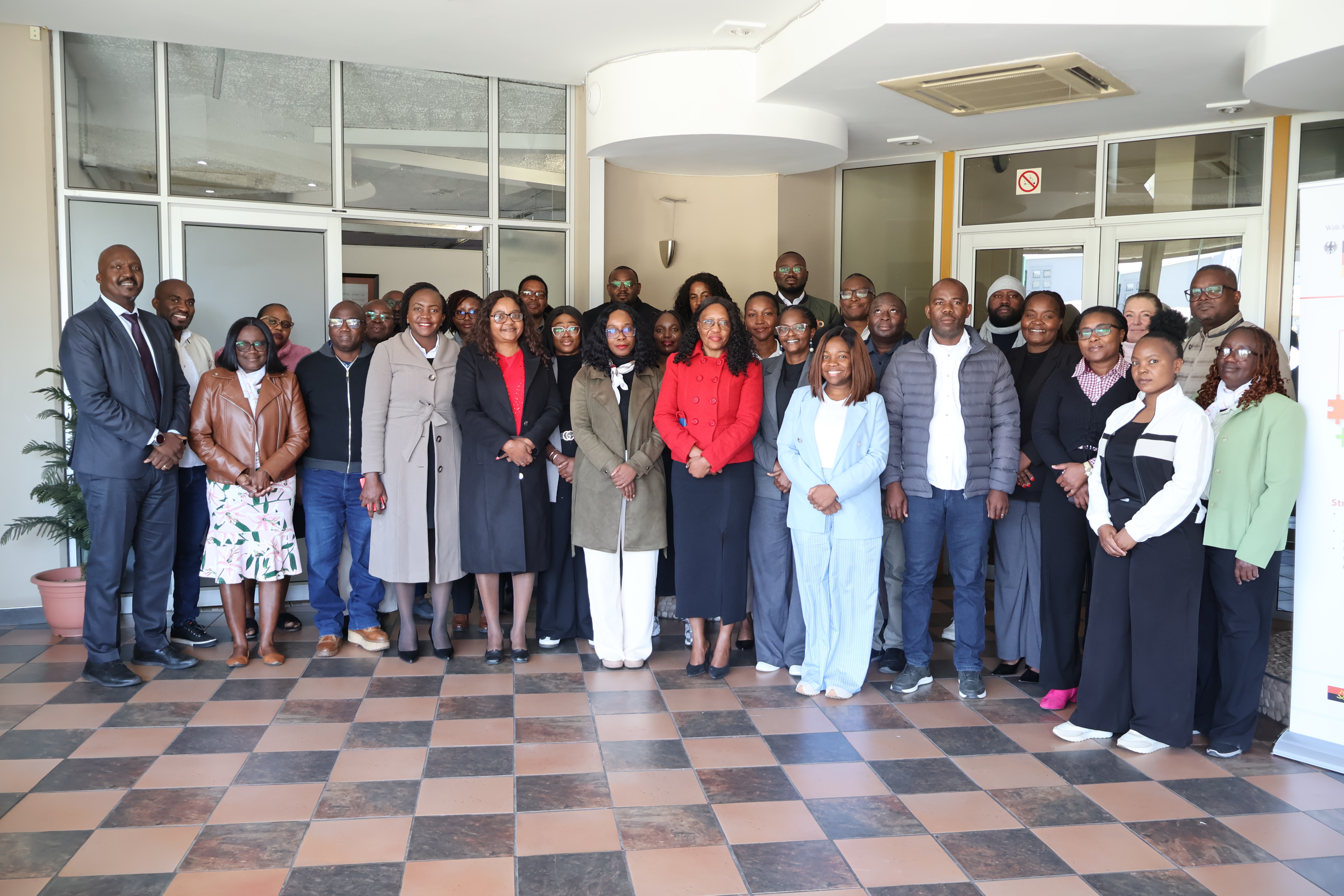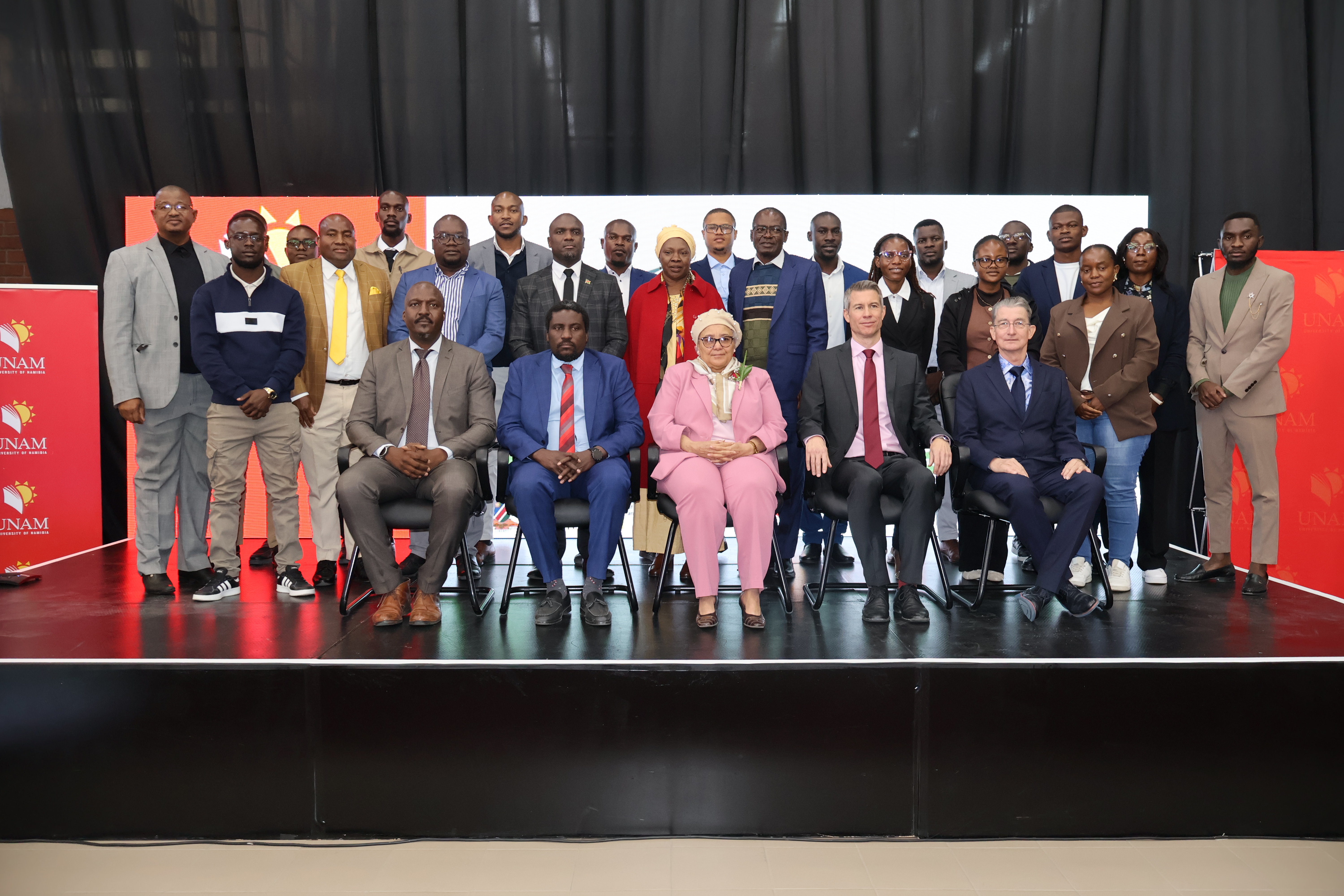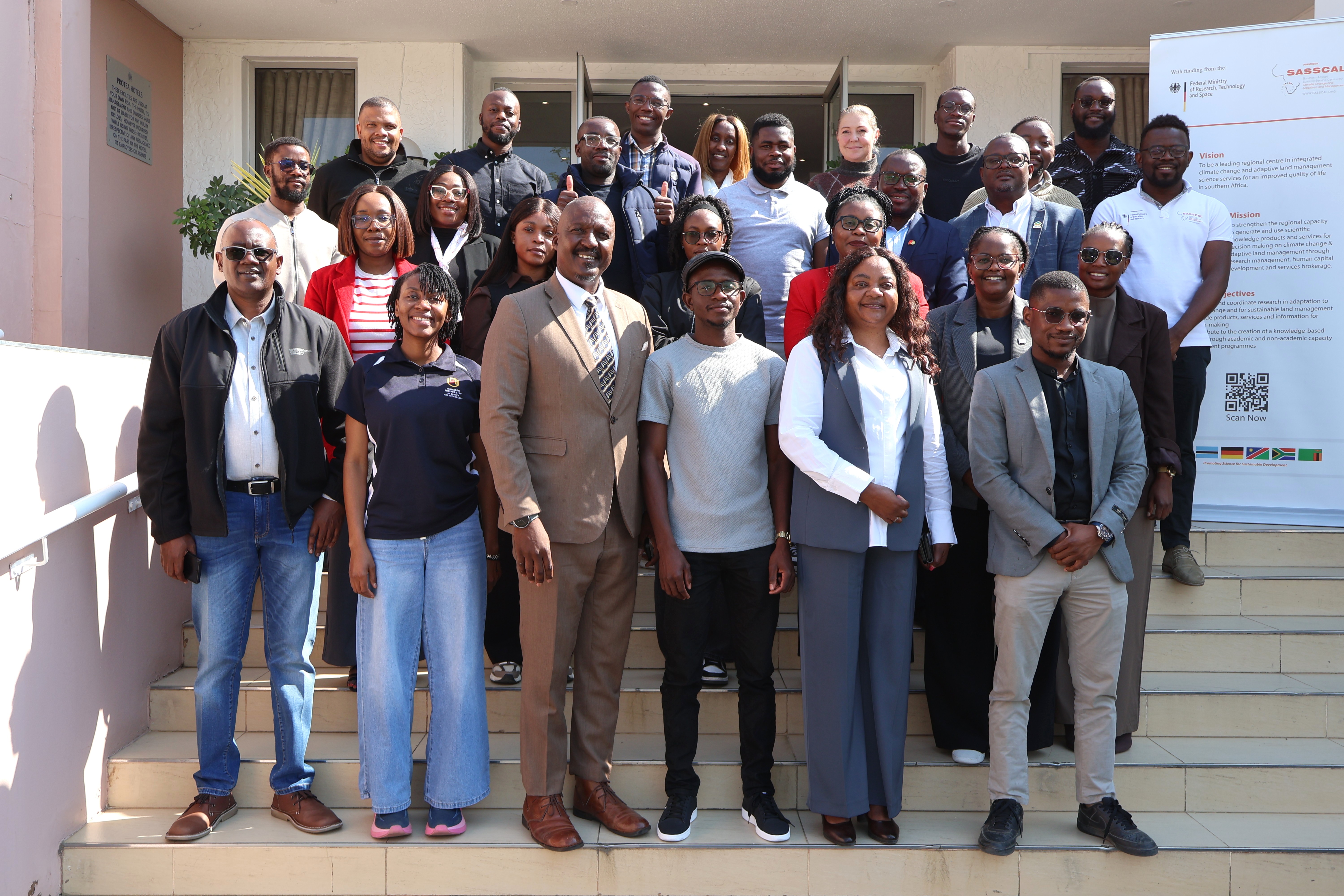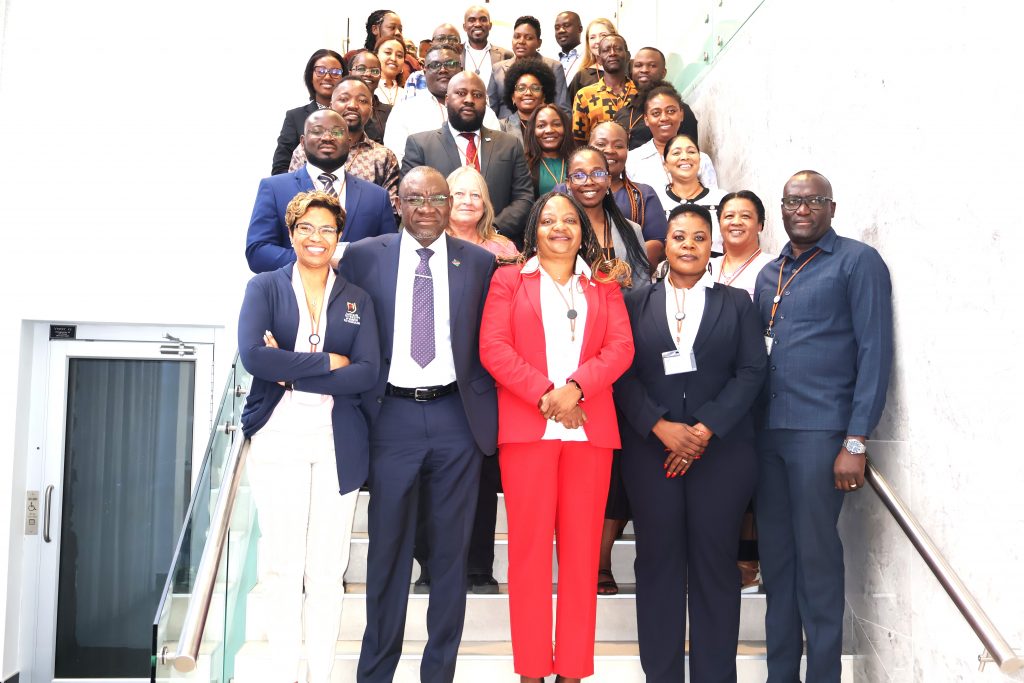
The Southern African Science Service Centre for Climate Change and Adaptive Land Management (SASSCAL) has handed over 44 newly installed and refurbished Automatic Weather Stations (AWS) to the Ministry of Agriculture, Fisheries, Water and Land Reform (MAFWLR). The handover ceremony took place on 10 November 2025 and marks a major step toward strengthening Namibia’s climate and weather monitoring systems.
Speaking at the event, SASSCAL Executive Director, Prof. Nelago Indongo, said the upgraded stations will help Namibia improve weather forecasting, manage water resources more effectively, and support better agricultural planning. She added that accurate climate data is becoming increasingly important as the country faces the growing impacts of climate change.
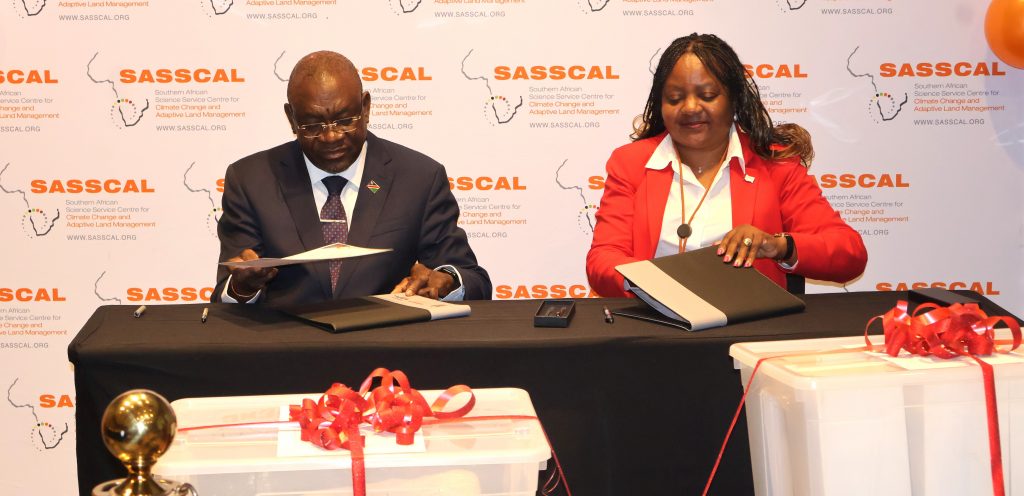
Prof. Indongo also highlighted that Namibia is the third country to benefit from this rollout. Earlier this year, SASSCAL handed over similar weather stations to the governments of Botswana and Zambia. She noted that beyond providing the equipment, SASSCAL has also invested in technical support, training, and skills transfer to ensure that local teams in Namibia can operate and maintain the stations for years to come.
The new AWS collect real-time data on temperature, rainfall, wind speed, humidity, solar radiation, and other climate indicators. This information plays a key role in early warning systems, climate monitoring, and decision-making in sectors such as agriculture and water management.
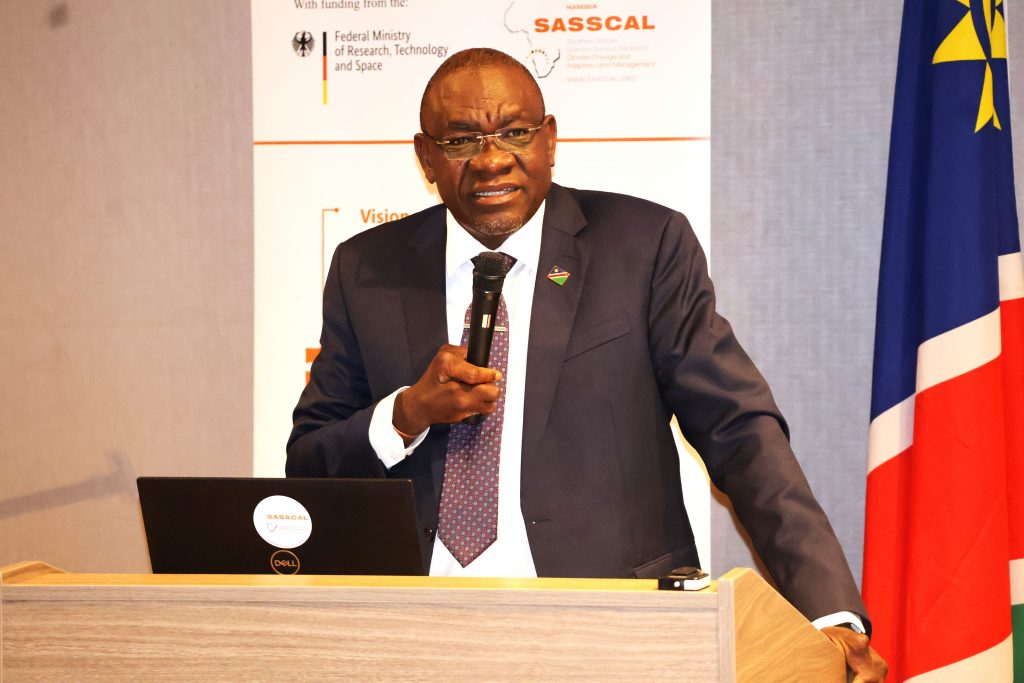
Receiving the stations on behalf of the Ministry, Executive Director Mr. Teofilus Nghitila praised the initiative, calling it a shared commitment to sustainable development and informed planning.
“The Automated Weather Stations we are receiving today represent not only a technological investment but a commitment to better decision-making,” he said. “The data generated by these stations will support early warning systems, climate forecasts, and the development of responsive agricultural policies.”
Mr. Nghitila added that Namibia’s ability to withstand climate-related risks depends on strong scientific support and access to accurate data. He reaffirmed the Ministry’s commitment to maintaining the stations and ensuring that the information gathered remains timely, reliable, and accessible to all stakeholders.
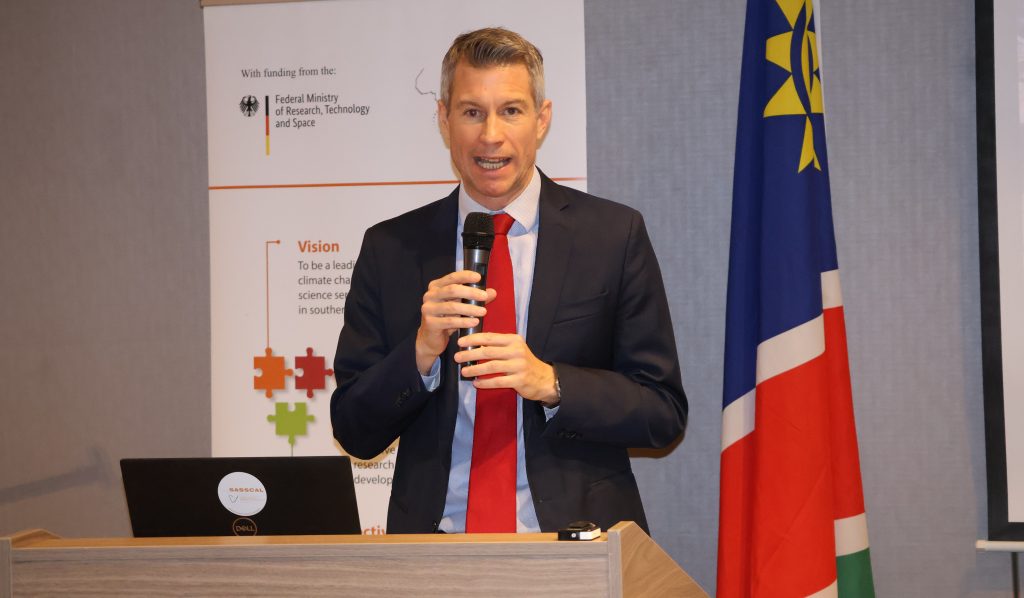
Also speaking at the event, Deputy Head of Mission at the German Embassy, Mr. Florian Seitz, reminded attendees that climate change is a global challenge that requires regional cooperation. He noted that the partnership between African countries and the German Government led to the creation of two major scientific centres—WASCAL and SASSCAL—which focus on strengthening climate research and innovation across West and Southern Africa.
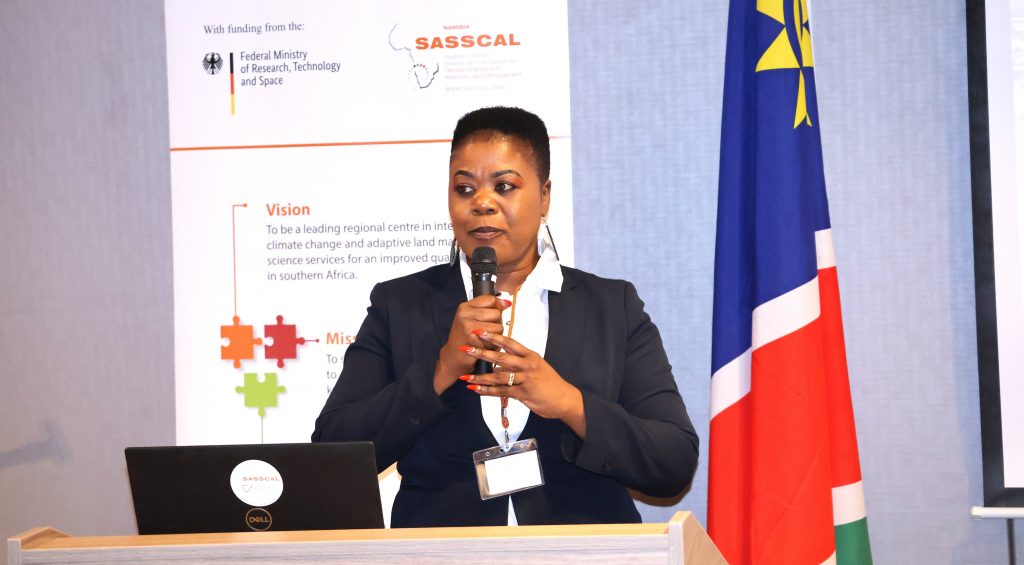
Meanwhile, Ms. Alexandria Angala, Interim Vice–Chairperson of the SASSCAL Governing Board, said the upgraded network of AWS reflects progress and partnership. She emphasized that the weather data from the stations will be freely accessible through the SASSCAL WeatherNet platform, helping Namibia improve its early warning systems and make evidence-based decisions.
“These stations directly support sustainable development and help improve the quality of life for our people,” she said.
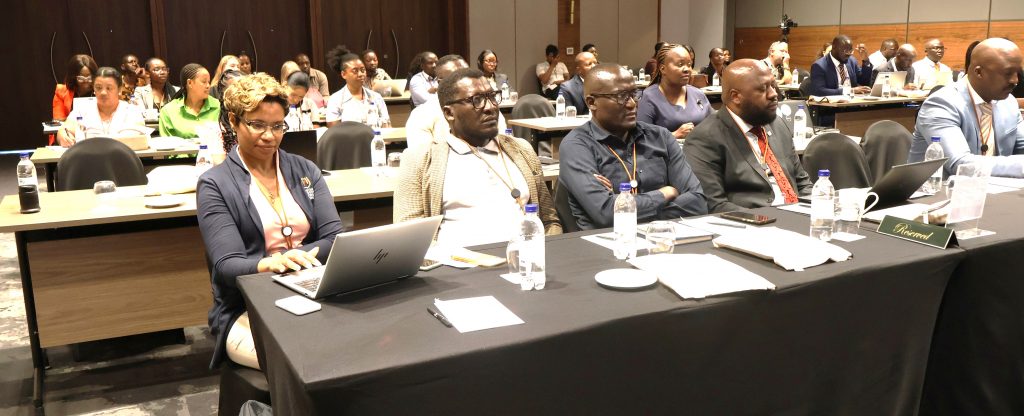
The handover marks another step forward in Namibia’s efforts to build climate resilience and strengthen its capacity to respond to extreme weather events. With modern technology now in place and local teams trained to manage it, the new network of weather stations is expected to play a key role in safeguarding communities and supporting the country’s long-term development goals.