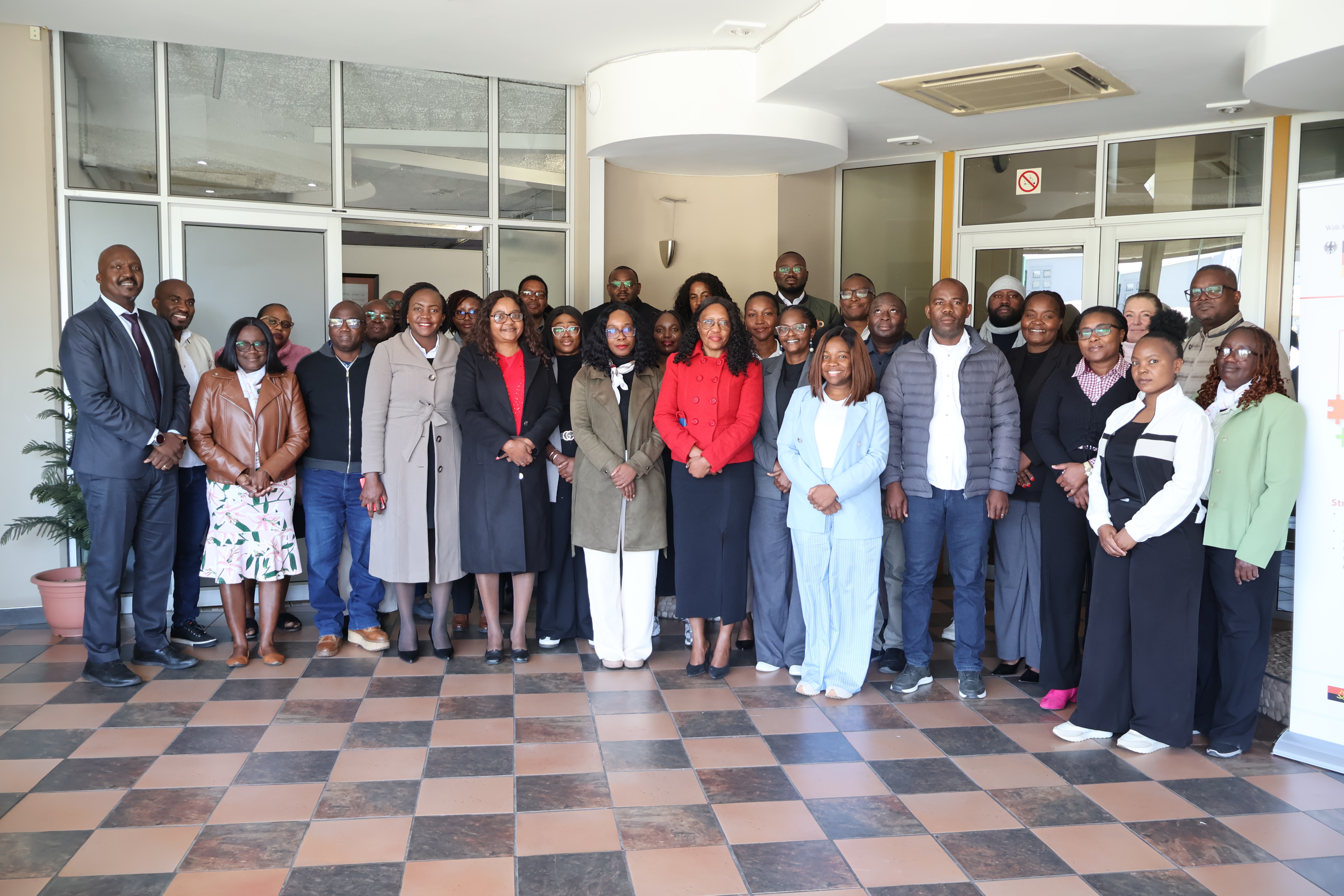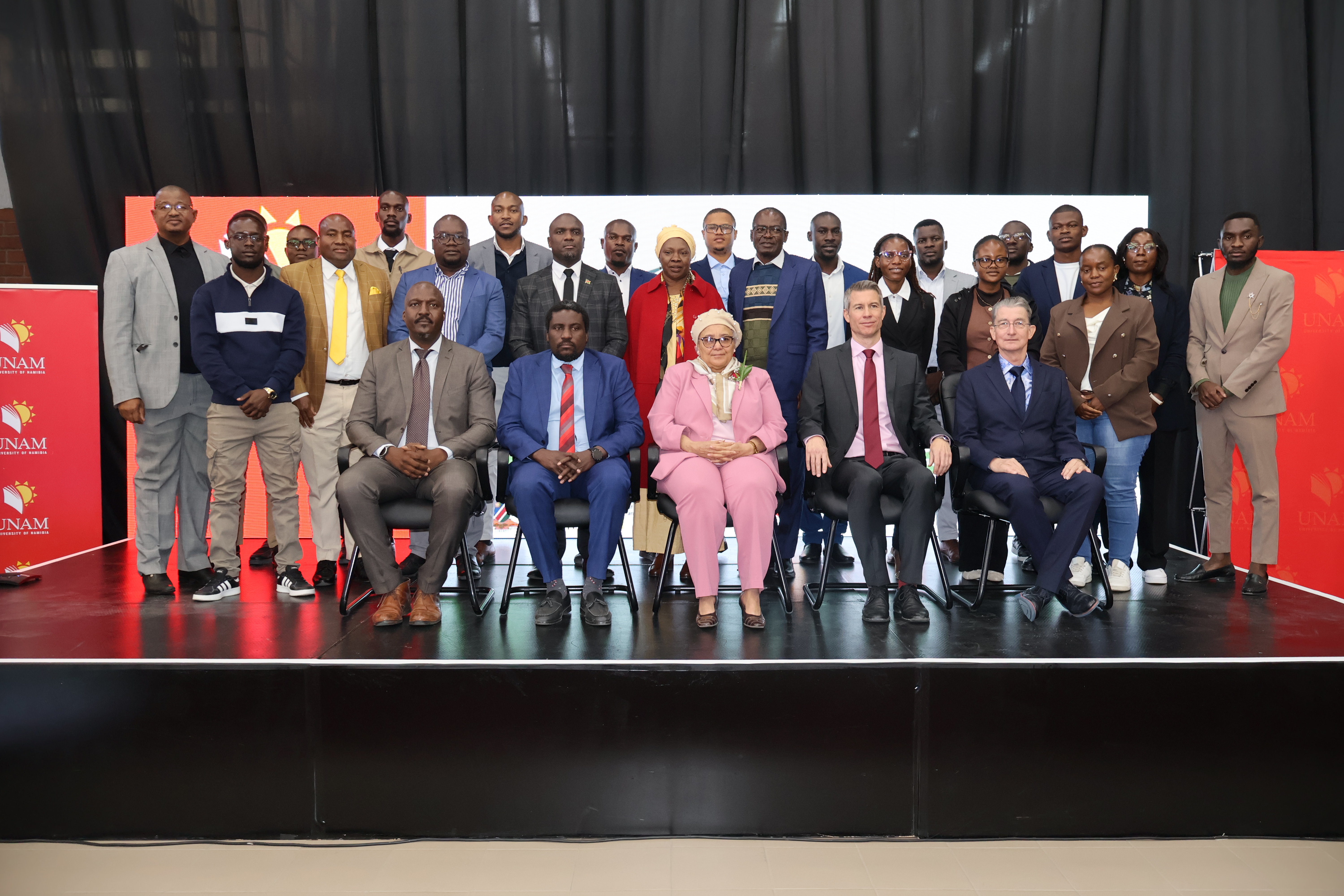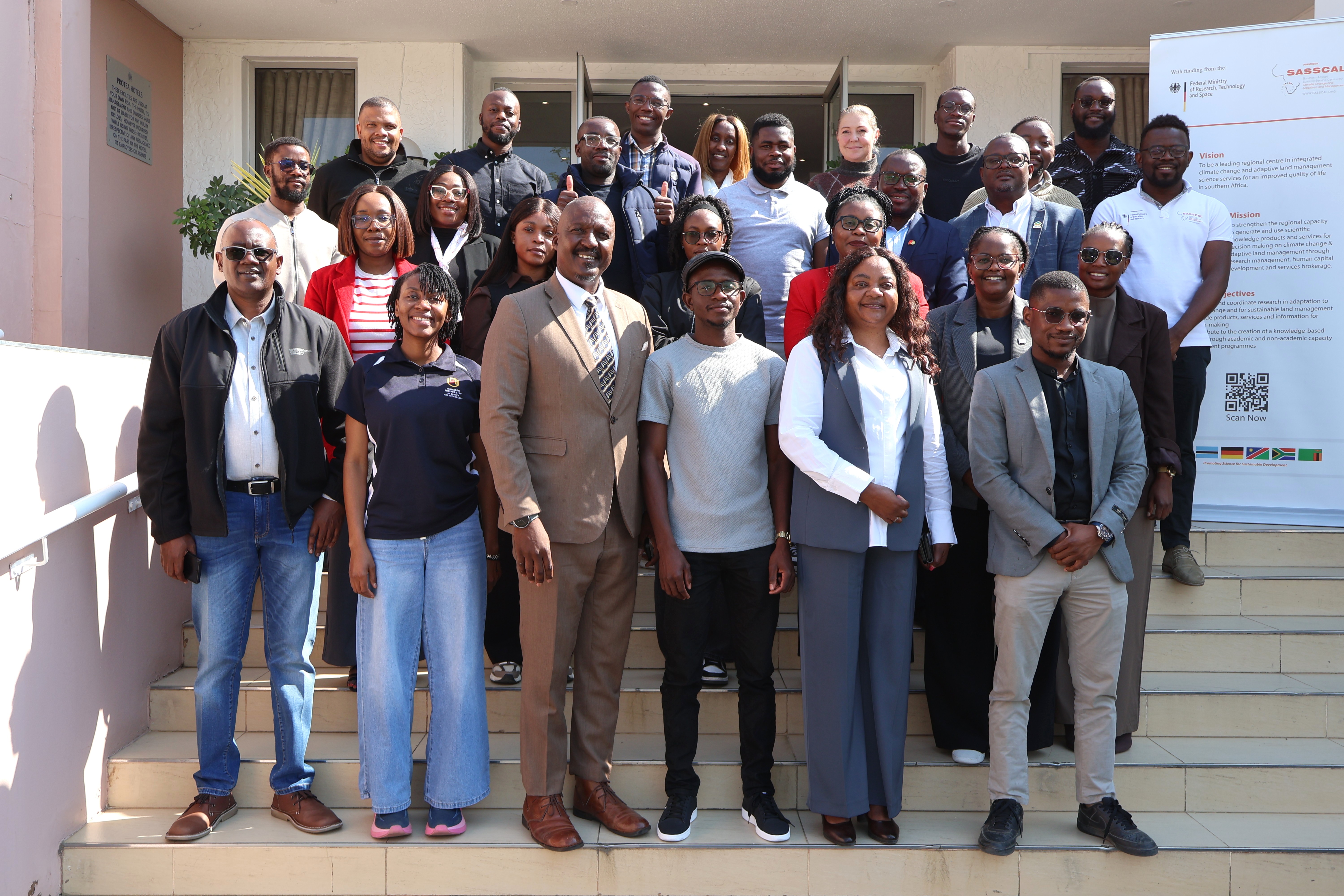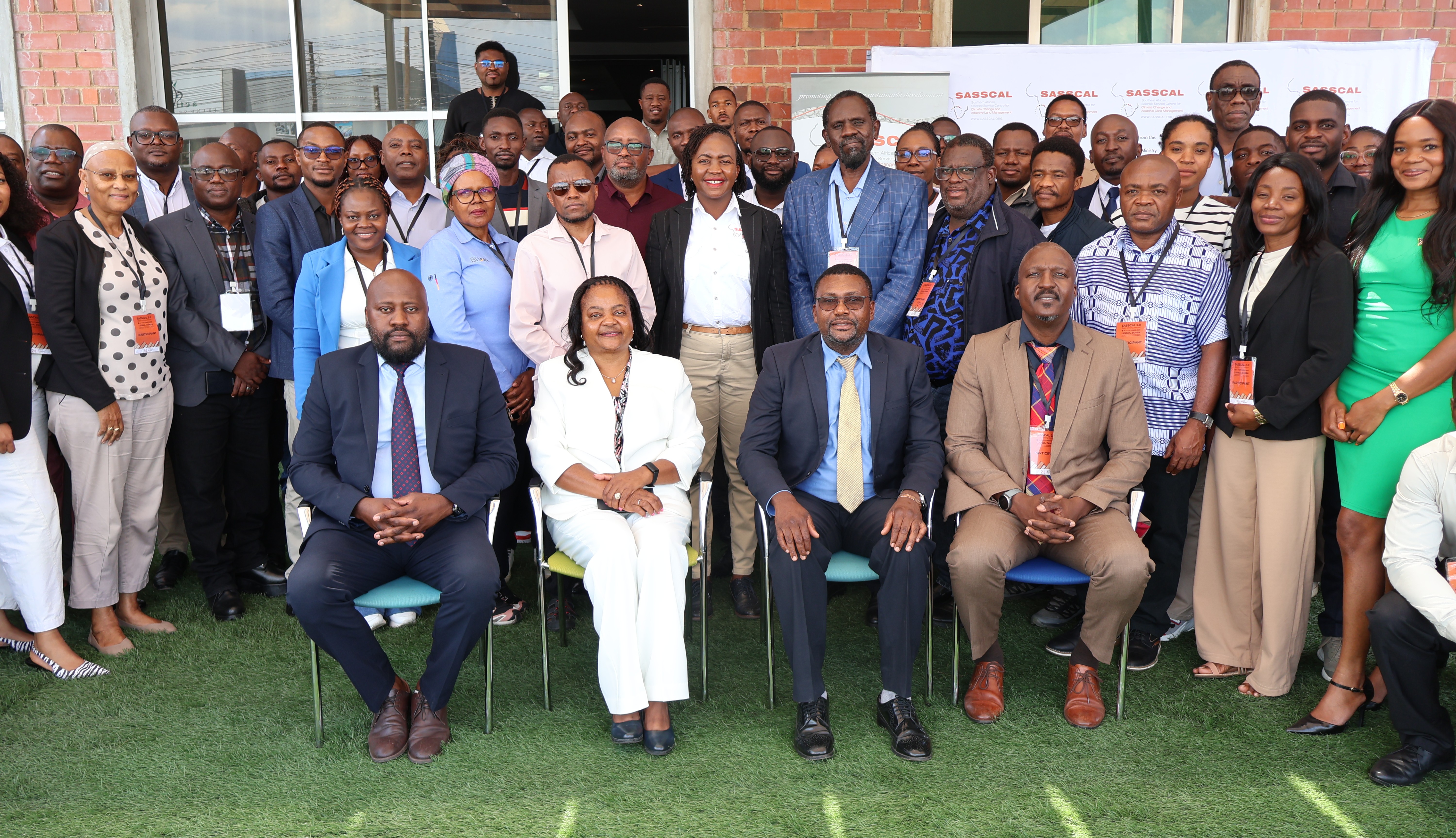
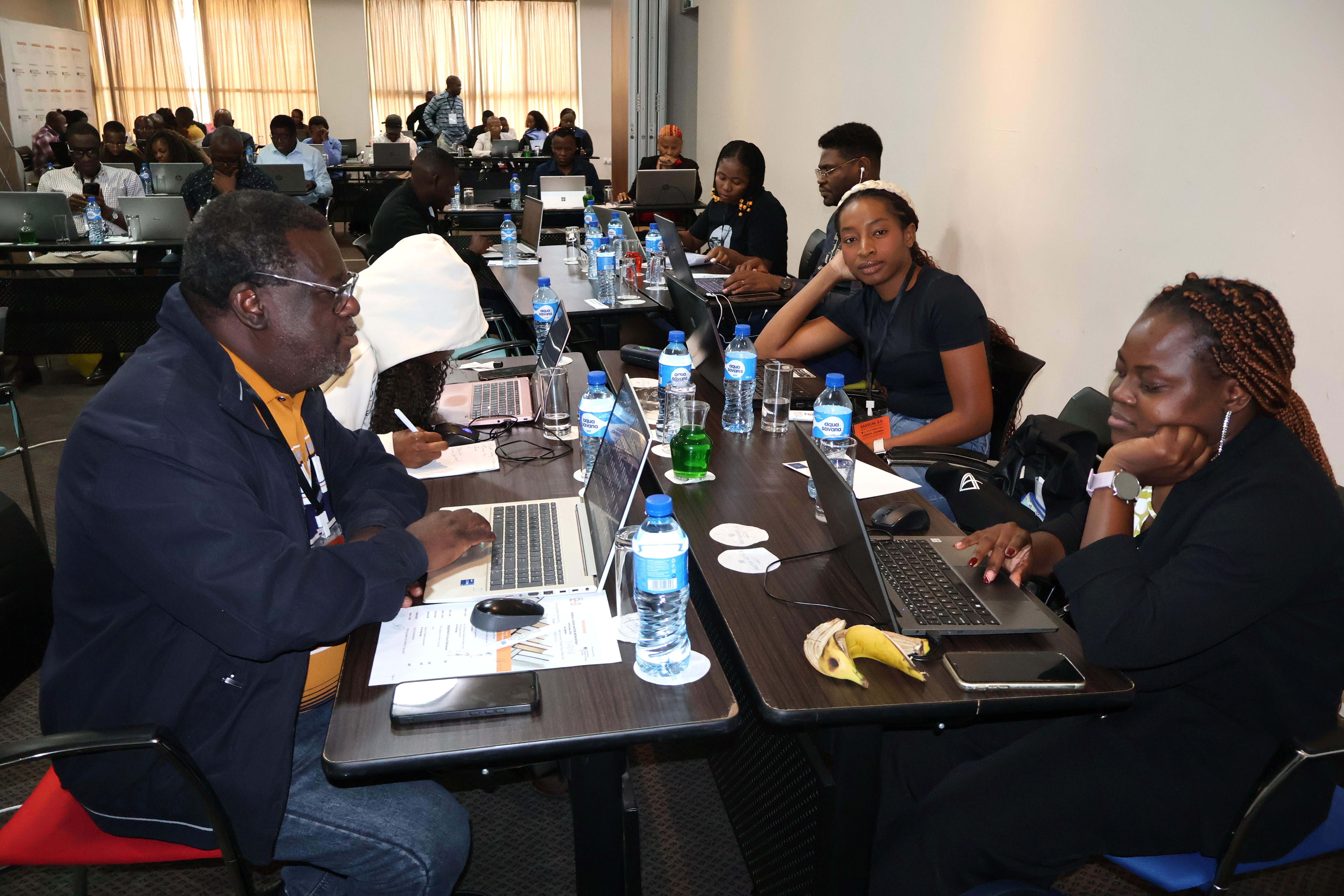
Lusaka, Zambia, 8 October 2026 – More than 70 researchers, scientists, and students from five Southern African countries gathered in Lusaka, Zambia, for the SASSCAL 2.0 Book Chapters Writing Retreat, held from 6 to 8 October 2026.
The three-day retreat, organised by the Southern African Science Service Centre for Climate Change and Adaptive Land Management (SASSCAL), was held under the theme “Strengthening Southern Africa’s Future: Interactive Science for Climate, Food, Water and Ecosystems under SASSCAL 2.0.”
The event brought together Principal Investigators, researchers, students, authors and co-authors involved in the SASSCAL 2.0 Research Programme from Angola, Botswana, Namibia, South Africa and Zambia.
The retreat provided an opportunity for researchers to meet in person, share ideas, review their work and finalise chapters for the upcoming SASSCAL 2.0 Research Book.
During the three days, participants worked together to strengthen the scientific content of their chapters, address outstanding issues and ensure that their contributions meet the publisher’s guidelines and requirements before submission for review.
The book will bring together major research findings, new scientific methods, products, services and the impact of research conducted under the SASSCAL 2.0 Research Programme. It will also highlight how scientific research has contributed to addressing challenges related to climate change, food security, water resources and sustainable land management in Southern Africa.
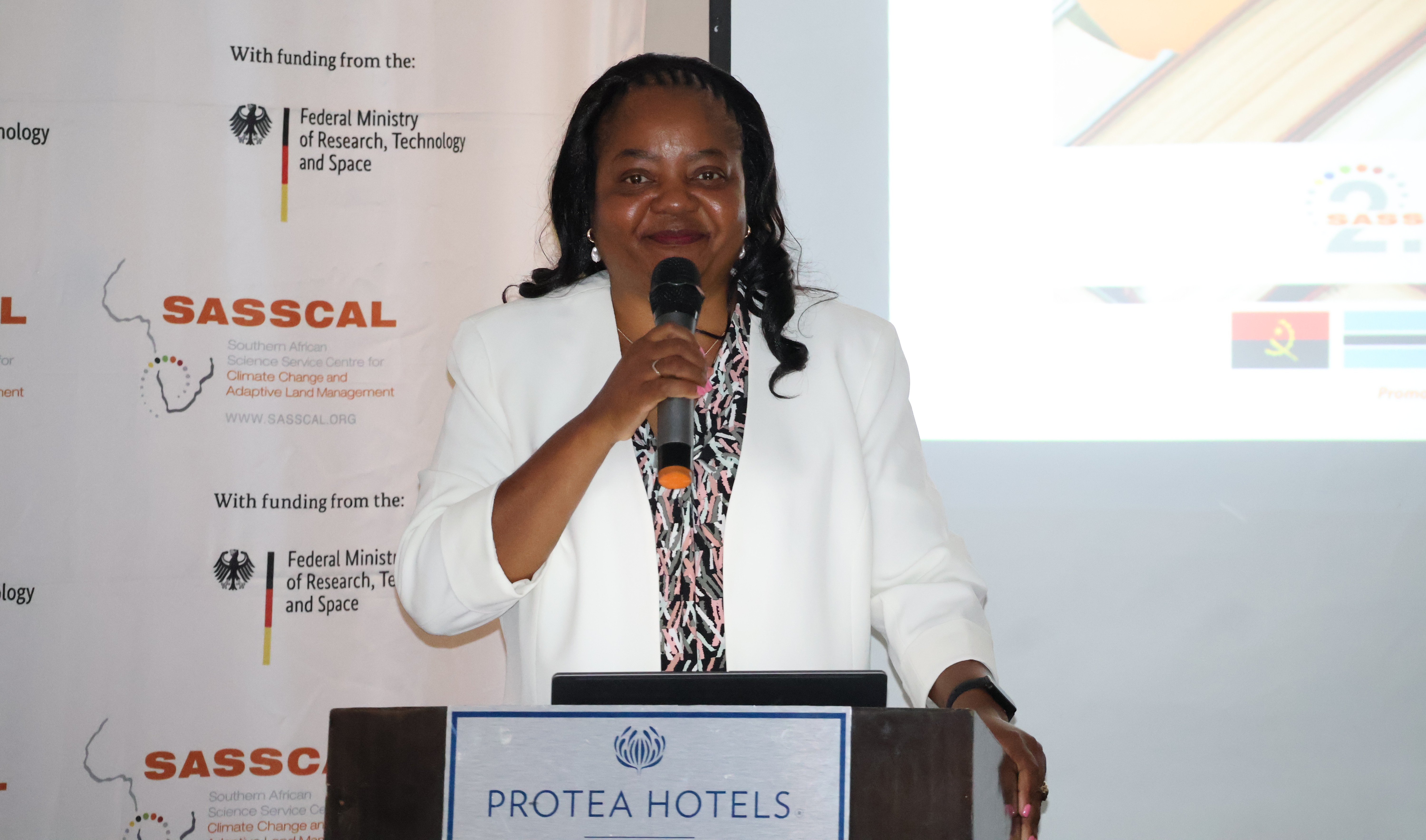
Speaking at the official opening of the retreat, SASSCAL Executive Director, Prof. Nelago Indongo, thanked the researchers for their commitment to the book project and for taking time from their busy schedules to participate.
She acknowledged the important role researchers have played in implementing the SASSCAL 2.0 Research Programme and generating scientific knowledge that benefits the region.
“Many of you have been part of this journey from the implementation of the SASSCAL 2.0 Research Programme. You have travelled a considerable distance together with SASSCAL. You have generated knowledge, conducted research, published papers, trained people and, importantly, contributed to addressing challenges facing our region,” she said.
Prof. Indongo explained that the book is an important step towards bringing together the knowledge and experiences gained through the research programme and preserving them for future generations.
She further emphasised that the success of scientific research should not only be measured by the number of publications and citations, but also by the positive difference it makes in people’s lives.
“Research is ultimately about people,” she said, adding that research has contributed to finding solutions, building capacity, supporting communities and informing decisions across Southern Africa.
She encouraged the researchers to document not only their scientific discoveries but also the impact of their work on communities and the lessons learned during the implementation of the programme.
“Those stories matter. Those achievements matter. And those lessons deserve to be documented and preserved for generations to come,” Prof. Indongo said.
She also acknowledged that producing quality scientific publications requires time, dedication, patience and teamwork, and thanked the researchers for their continued commitment.
The upcoming SASSCAL 2.0 Research Book will be the second research book published by SASSCAL as part of its efforts to increase scientific publications and make research findings more accessible.
The publication will present major scientific findings from the SASSCAL 2.0 Research Programme, including new research approaches, methods, products and services developed through the programme. It will also document the contribution of research to strengthening scientific capacity and addressing environmental and development challenges in the region.
The book will be published as an open-access publication, allowing researchers, policymakers, students and members of the public to access it free of charge.
Through this initiative, SASSCAL aims to ensure that the knowledge generated under its research programmes continues to support scientific development, informed decision-making and sustainable development in Southern Africa.
The retreat marked an important step towards completing the book chapters and preparing the publication for the next stage of review and publishing.