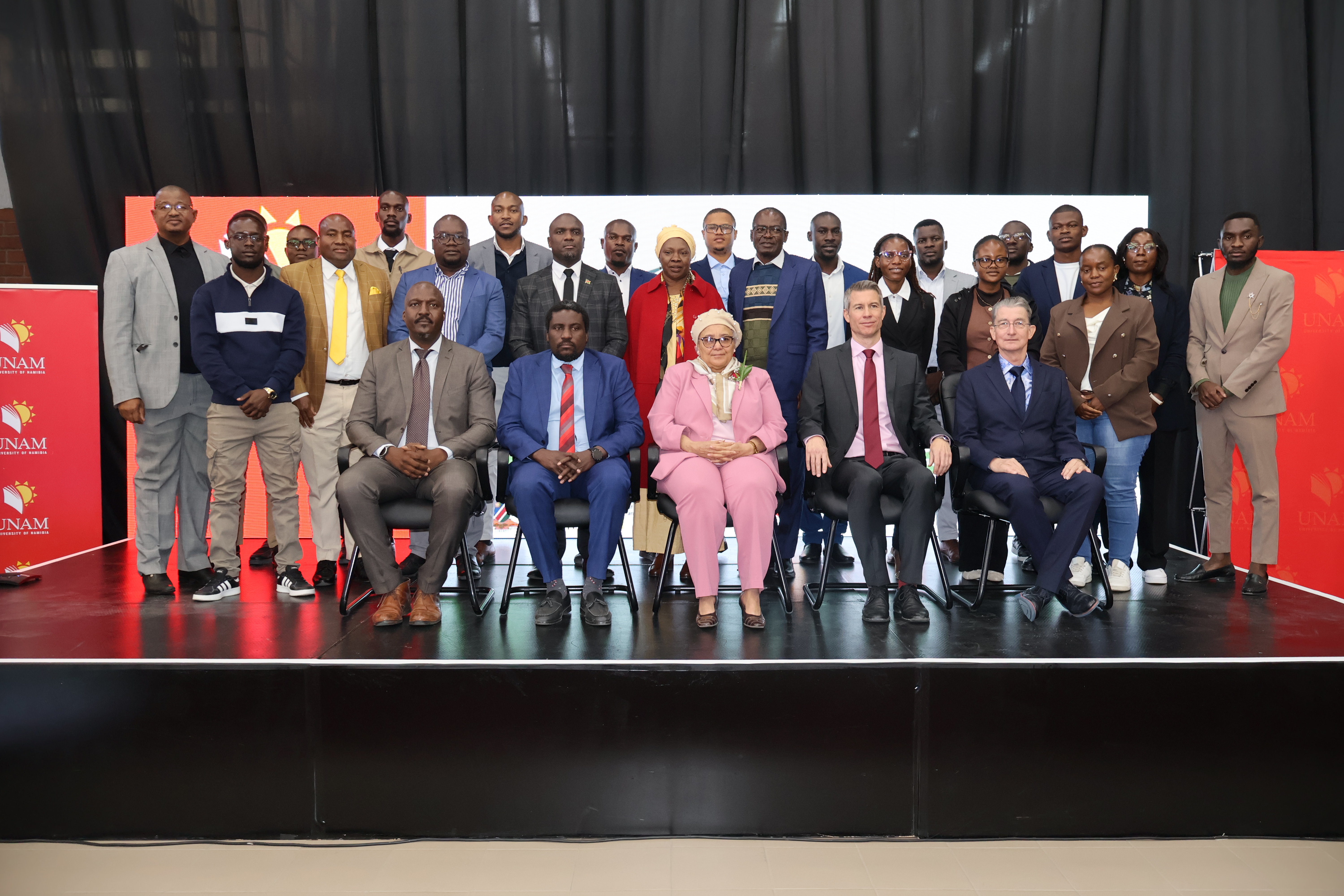
The Southern African Science Service Centre for Climate Change and Adaptive Land Management (SASSCAL), in partnership with the University of Namibia (UNAM), has launched the RealTest Project, a major research initiative aimed at strengthening Namibia’s position as a leader in green hydrogen technology, innovation and green industrial development.
The three-year project, known as RealTest – Safety, Reliability and Sustainability Research and Testing for Green Hydrogen Technologies, is funded by the German Federal Ministry of Research, Technology and Space with EUR 2.85 million (approximately N$58 million) under the Namibia-Germany Joint Communiqué of Intent (JCoI).
The JCoI was signed by the Governments of Namibia and Germany in August 2021 to support cooperation in renewable energy, green hydrogen and sustainable development. SASSCAL is responsible for implementing key JCoI initiatives, including green hydrogen pilot projects and skills development.
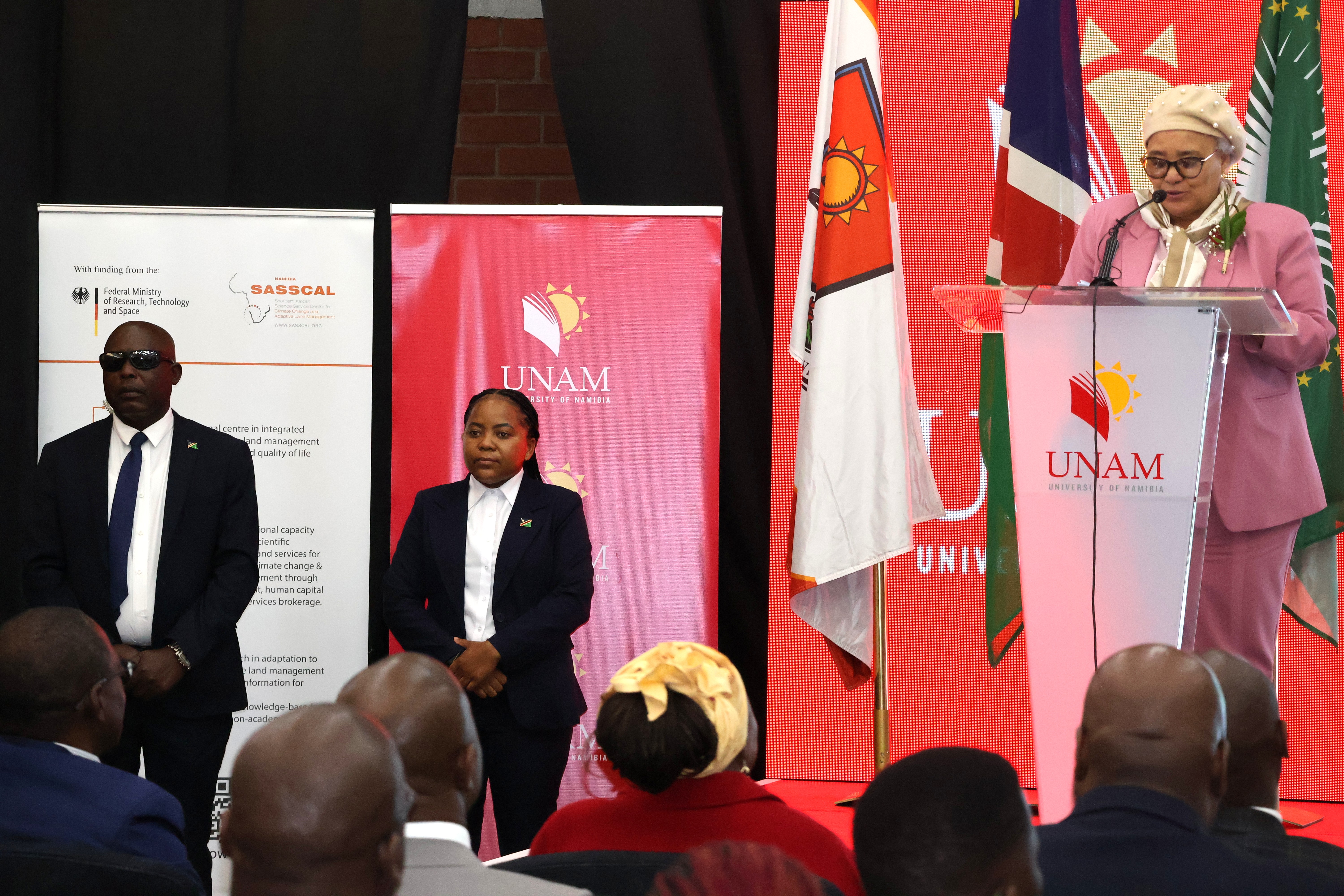
The RealTest Project was officially launched by Her Excellency Lucia Witbooi, Vice President of the Republic of Namibia. She highlighted the importance of the partnership between Namibia and Germany in supporting sustainable development, technological advancement and human capacity development.
“This partnership demonstrates what can be achieved when nations unite around a shared vision of sustainable development, technological advancement and human progress,” Vice President Witbooi said.
She also expressed appreciation to the Government of Germany, the German Federal Ministry of Research, Technology and Space, SASSCAL, Projektträger Jülich, UNAM and other implementing partners for their continued support of Namibia’s scientific and technological development.
First-of-its-kind test facility in Africa
The RealTest Project will establish what is expected to be Africa’s first test facility dedicated to the safety, reliability and sustainability of green hydrogen technologies.
The facility will allow researchers to test materials, components and systems under Namibia’s unique marine and desert climate conditions. This will provide important information for the safe and reliable development of large-scale green hydrogen production and export.
The research will focus on areas such as materials compatibility, component performance, hydrogen safety systems, advanced welding technologies and electrolyser performance.
The project will:
- Validate advanced materials for use in hydrogen infrastructure and assess their long-term reliability.
- Develop and improve welding processes for large-scale hydrogen systems.
- Provide specialised International Welding Engineer (IWE) training.
- Test and improve electrolyser technologies, including alkaline and proton exchange membrane (PEM) systems.
- Strengthen safety measures, including hydrogen leak detection, accident prevention and emergency response.
The research will be carried out through five connected modules covering materials, components, safety systems, welding technologies and electrolysers.
Building Namibia’s green hydrogen skills
The project will also contribute to the development of highly skilled Namibian researchers and technical specialists.
Fifteen research positions, including postdoctoral fellows, doctoral students and technical specialists, will be filled by graduates of the Youth for Green Hydrogen Scholarship Programme (Y4H2). This will help ensure that the knowledge and skills developed through the project remain in Namibia.
The project also includes an International Welding Engineer (IWE) Training Programme at the UNAM Jose Eduardo dos Santos Campus. The programme is being delivered under the international framework of the International Institute of Welding (IIW).
An initial group of 12 scholars has already started the IWE programme. The training will help address Namibia’s growing need for highly skilled welding engineers as the country develops industries such as green hydrogen, mining, oil and gas, shipbuilding and steel construction.
The IWE qualification is internationally recognised and will equip Namibian professionals with the skills needed to meet international safety, quality and performance standards.
Strong partnership between Namibia and Germany
SASSCAL and UNAM formalised their cooperation for the RealTest Project by signing a Funding and Cooperation Agreement in August 2025. Project activities started on 1 October 2025.
The project received an initial grant of EUR 2.5 million for 36 months. An additional EUR 350,000 was provided through an agreement signed in January 2026 to support specialised welding training.
The German Federal Institute for Materials Research and Testing (BAM) is also supporting the project as a cooperation partner. BAM brings international expertise in large-scale testing, materials compatibility and safety testing for hydrogen technologies.
The project will also be partially implemented in partnership with Cleanergy Solutions Namibia, which is developing green hydrogen production, refuelling and supply activities at its facility in Walvis Bay.
Supporting Namibia’s green industrialisation
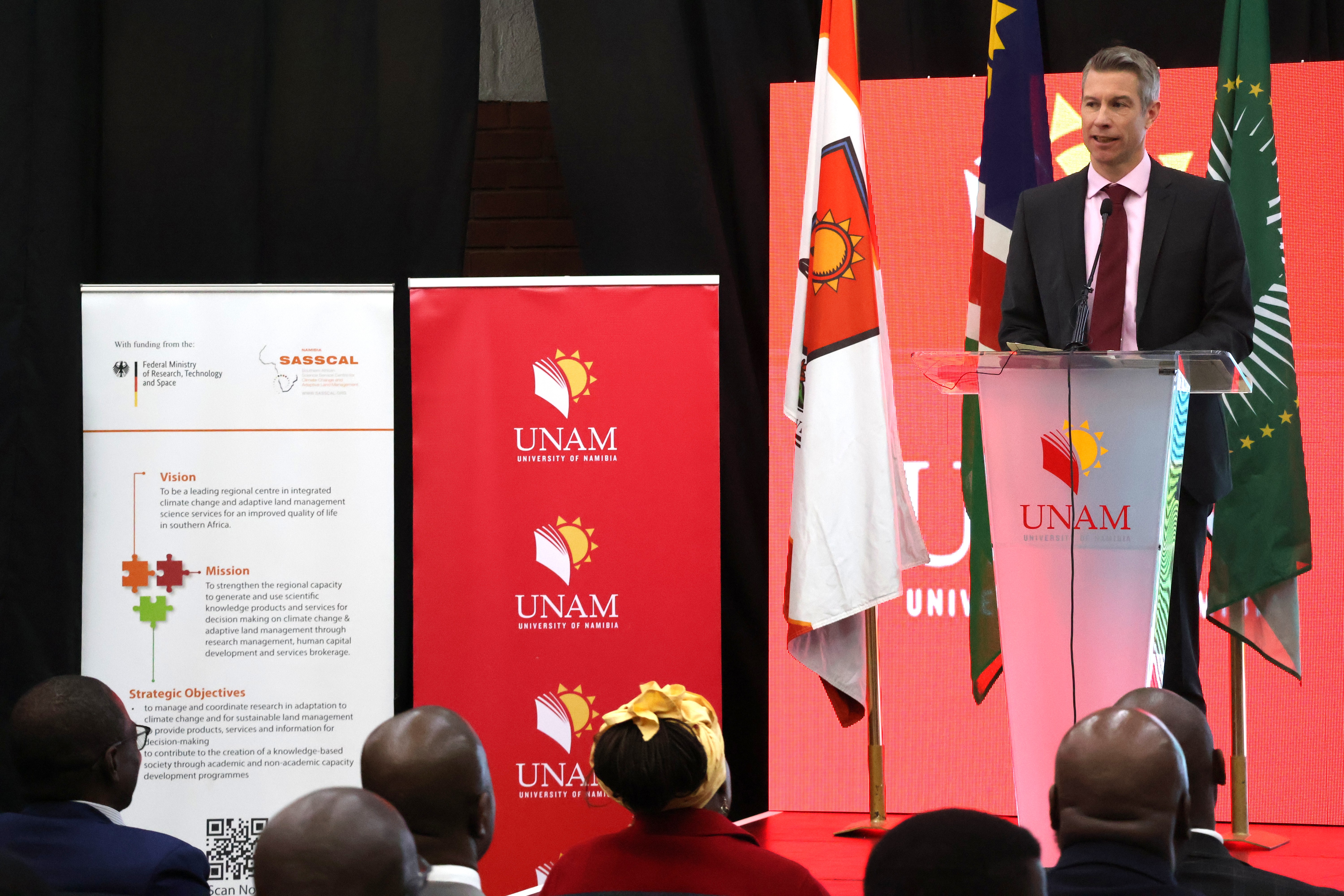
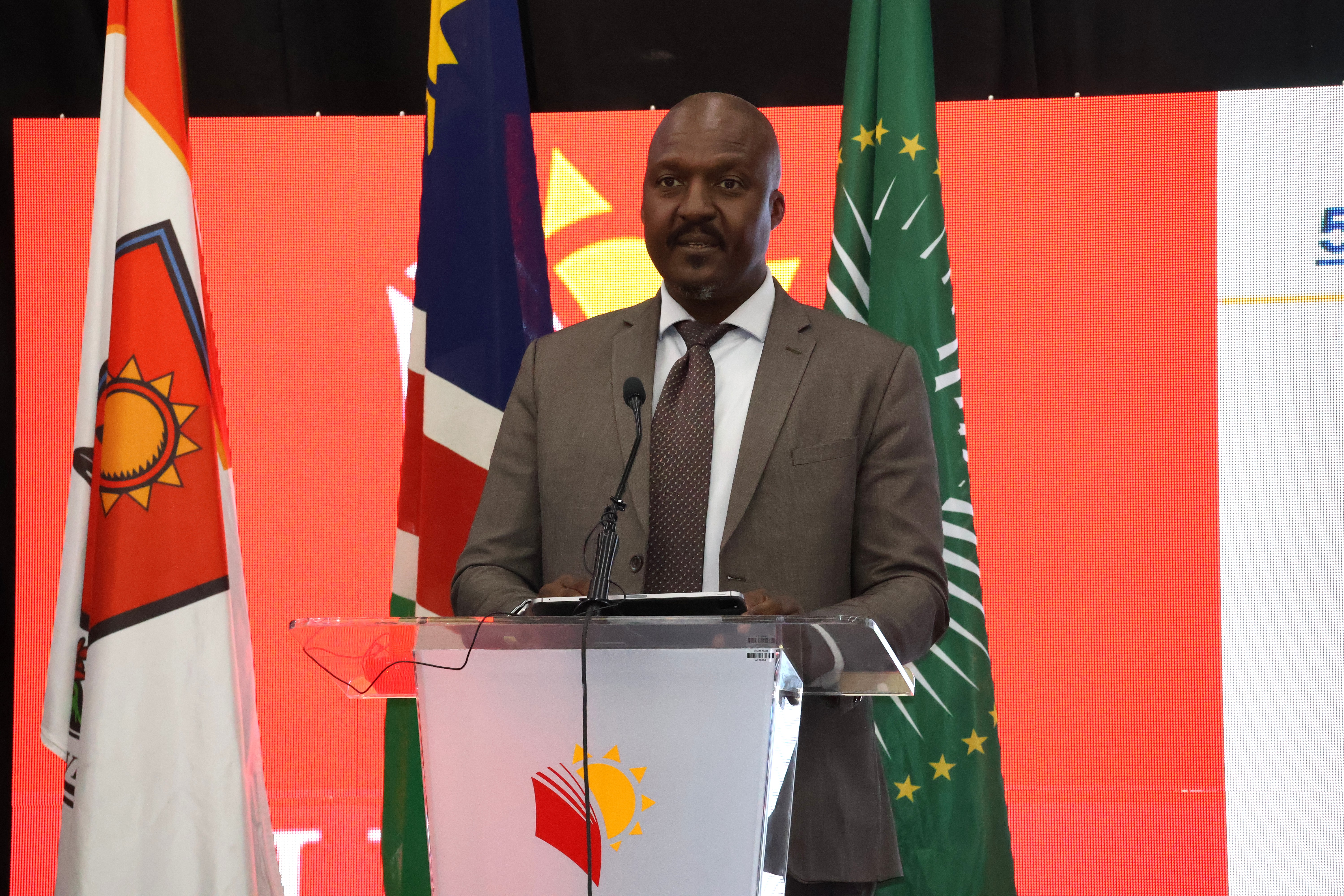
Speaking at the launch, SASSCAL Director of Science, Technology and Human Capacity Development, Dr. Budzanani Tacheba, highlighted SASSCAL’s role in supporting climate change research, green hydrogen development and human capacity development in Southern Africa.
He noted that the RealTest Project is an important part of Namibia’s efforts to develop green industries and build a strong green hydrogen economy.
The project will provide scientific knowledge that can support future developments, including green ammonia production and other hydrogen-based industries. Its research findings are also expected to contribute to international safety standards, industrial best practices and advanced training programmes.
Once fully operational, the RealTest facility is expected to provide the scientific foundation for Namibia’s growing green hydrogen sector and could support the establishment of a permanent Centre of Excellence in Hydrogen Safety and Sustainability at UNAM.
Creating a long-term impact
The RealTest Project is expected to play an important role in Namibia’s green industrialisation by improving safety, reliability and sustainability in green hydrogen technologies.
Through research, training and international cooperation, the project will help build Namibia’s scientific and technical capacity while creating opportunities for young Namibian researchers and professionals.
The project is another example of the growing cooperation between Namibia and Germany under the JCoI. It combines research, skills development and practical industrial applications to support Namibia’s ambition to become a producer of green hydrogen and a leader in green industrial development.
The knowledge and expertise generated through RealTest will help Namibia develop safer and more reliable green hydrogen technologies while supporting economic diversification, job creation, investment and the development of new green industries.