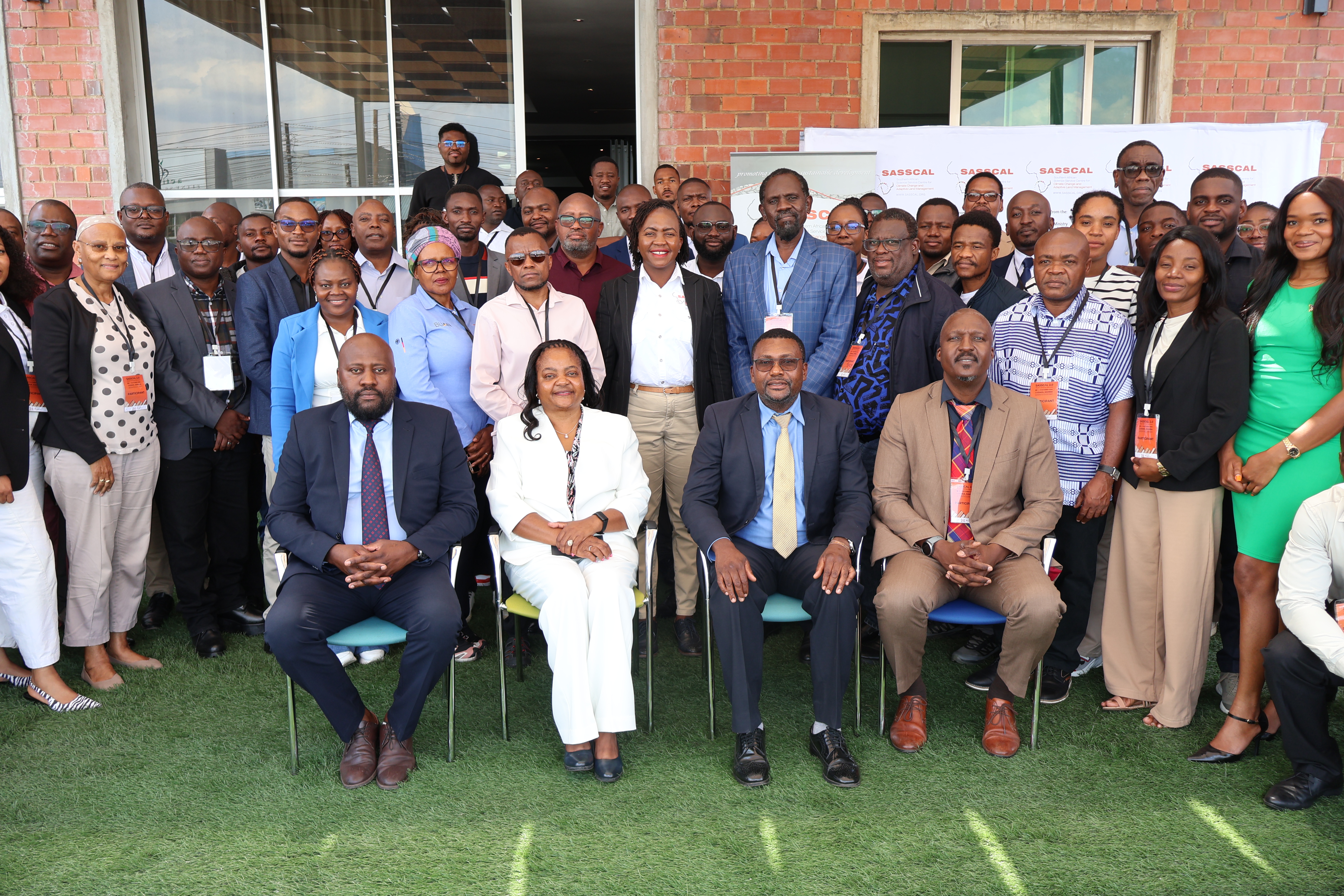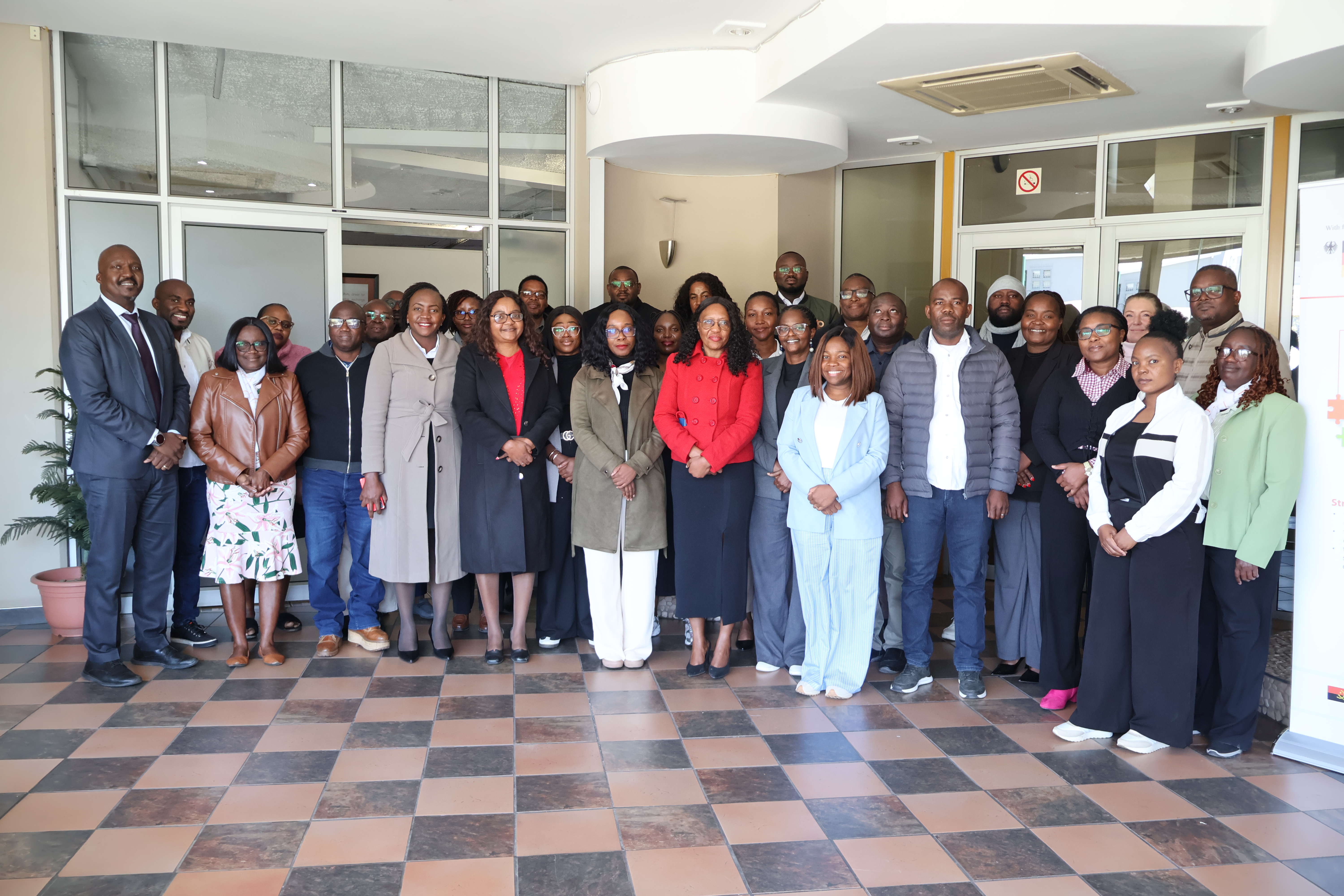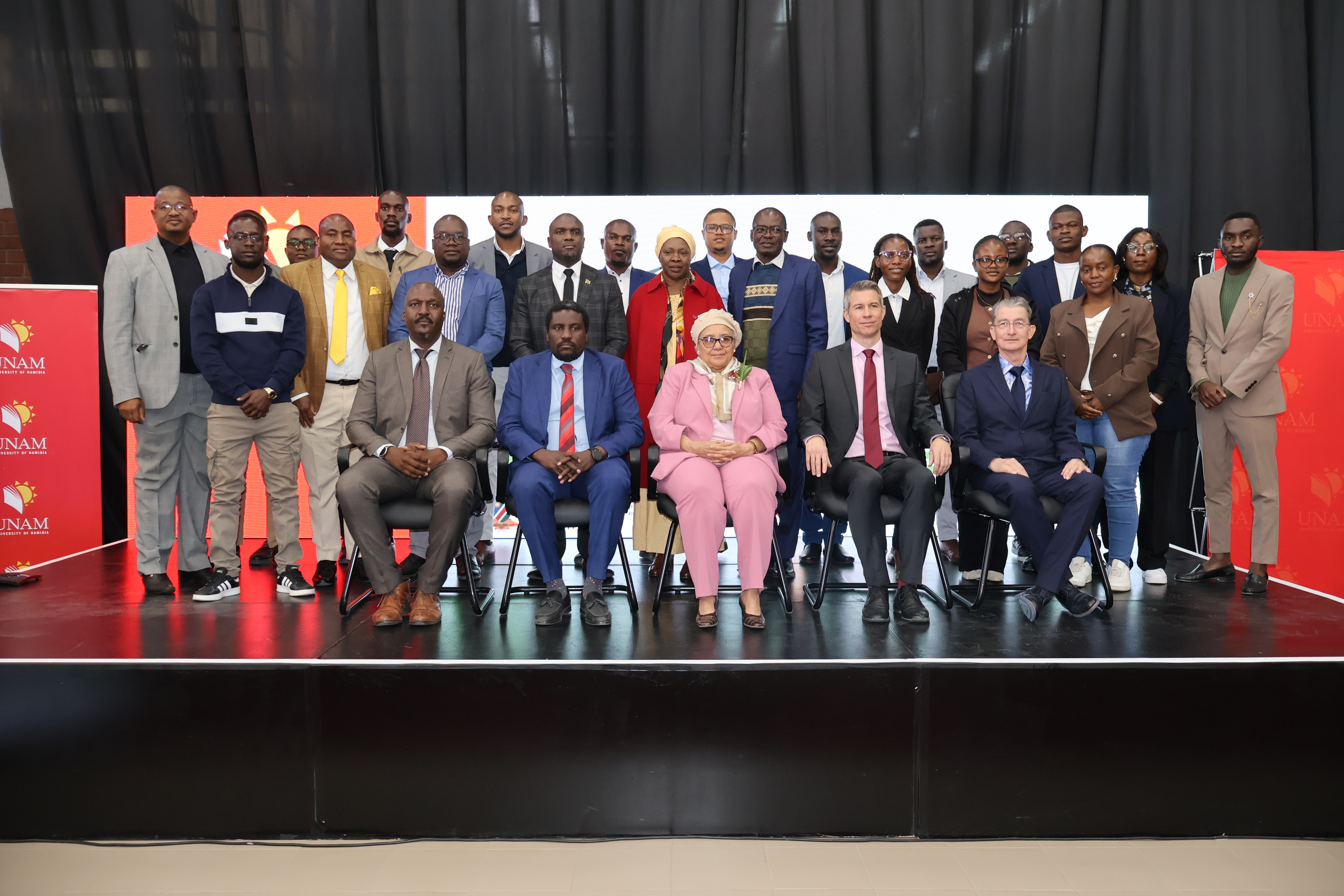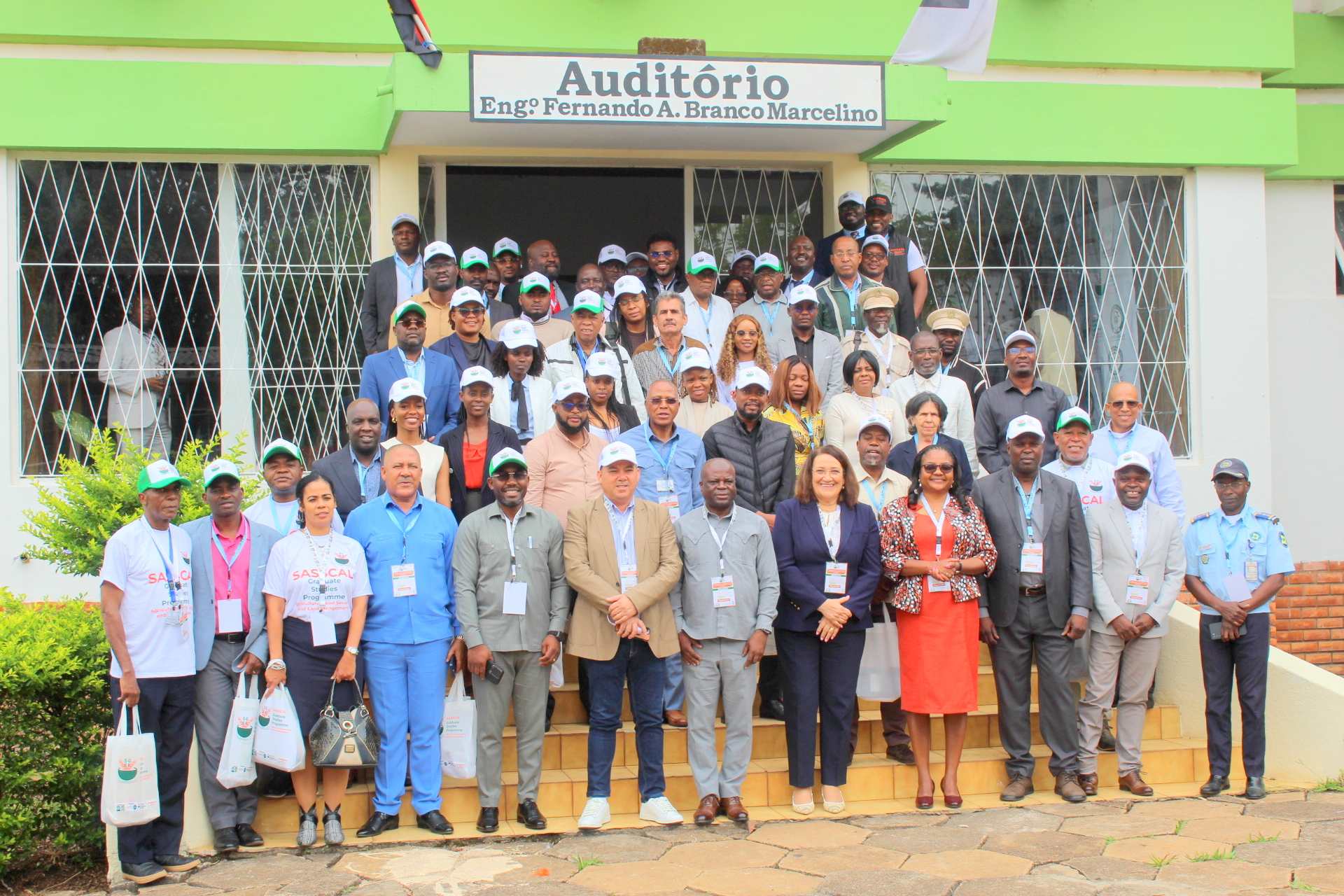
HUAMBO, ANGOLA, 12 October 2026 — The Southern African Science Service Centre for Climate Change and Adaptive Land Management (SASSCAL) has officially opened its Graduate Studies Programme in Agriculture, Food Security and Sustainable Land Management (SGSP-AFSLM) at the Universidade José Eduardo dos Santos (UJES) Faculty of Agriculture Campus in Chinga, Huambo, Angola.
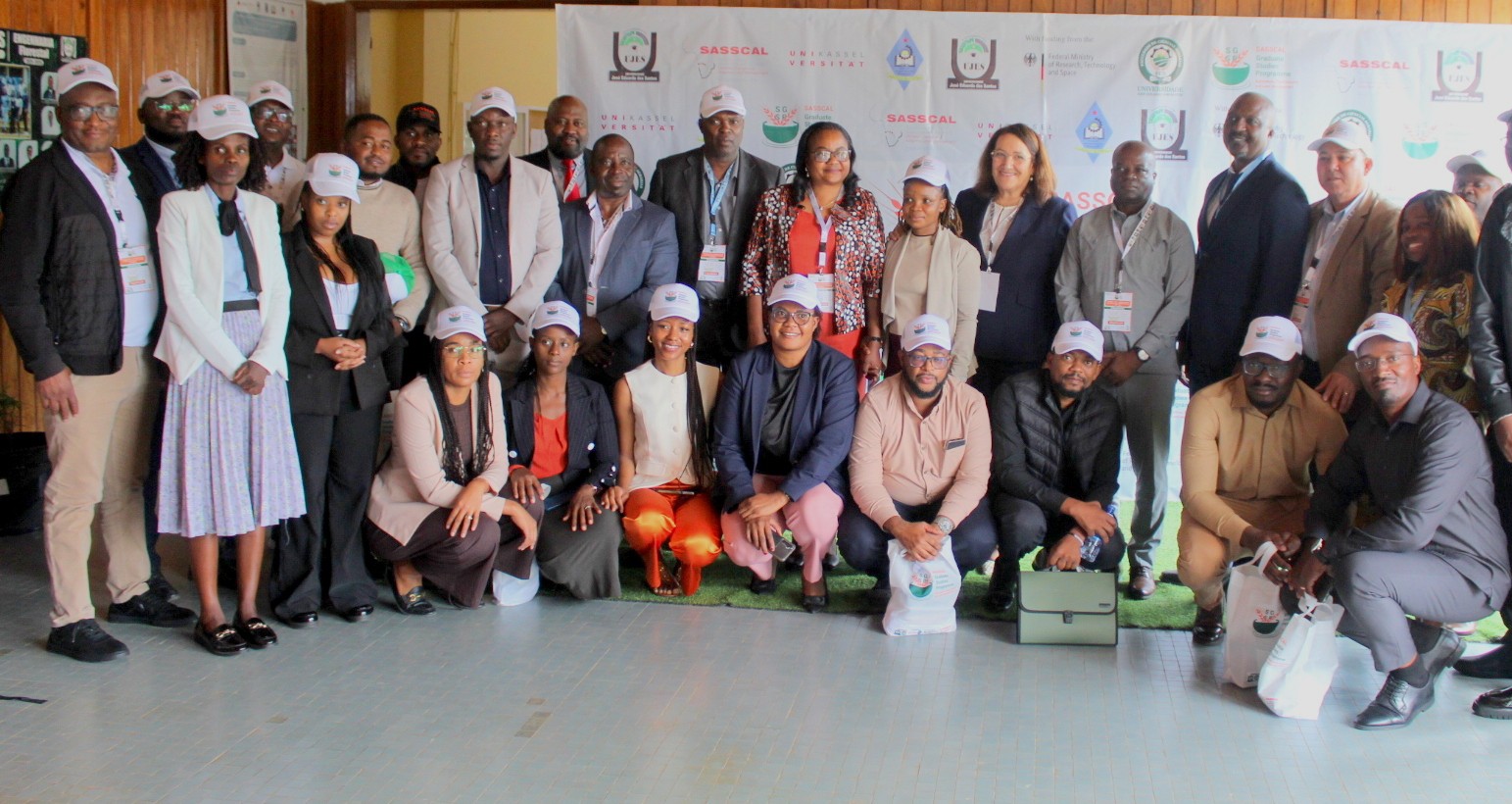
The opening ceremony also marked the beginning of the new academic year, welcoming a new cohort of students from SASSCAL’s five Member States: Angola, Botswana, Namibia, South Africa and Zambia.
The programme aims to strengthen regional expertise and research capacity in agriculture, food security and sustainable land management, while preparing the next generation of researchers and professionals to address the challenges facing Southern Africa.
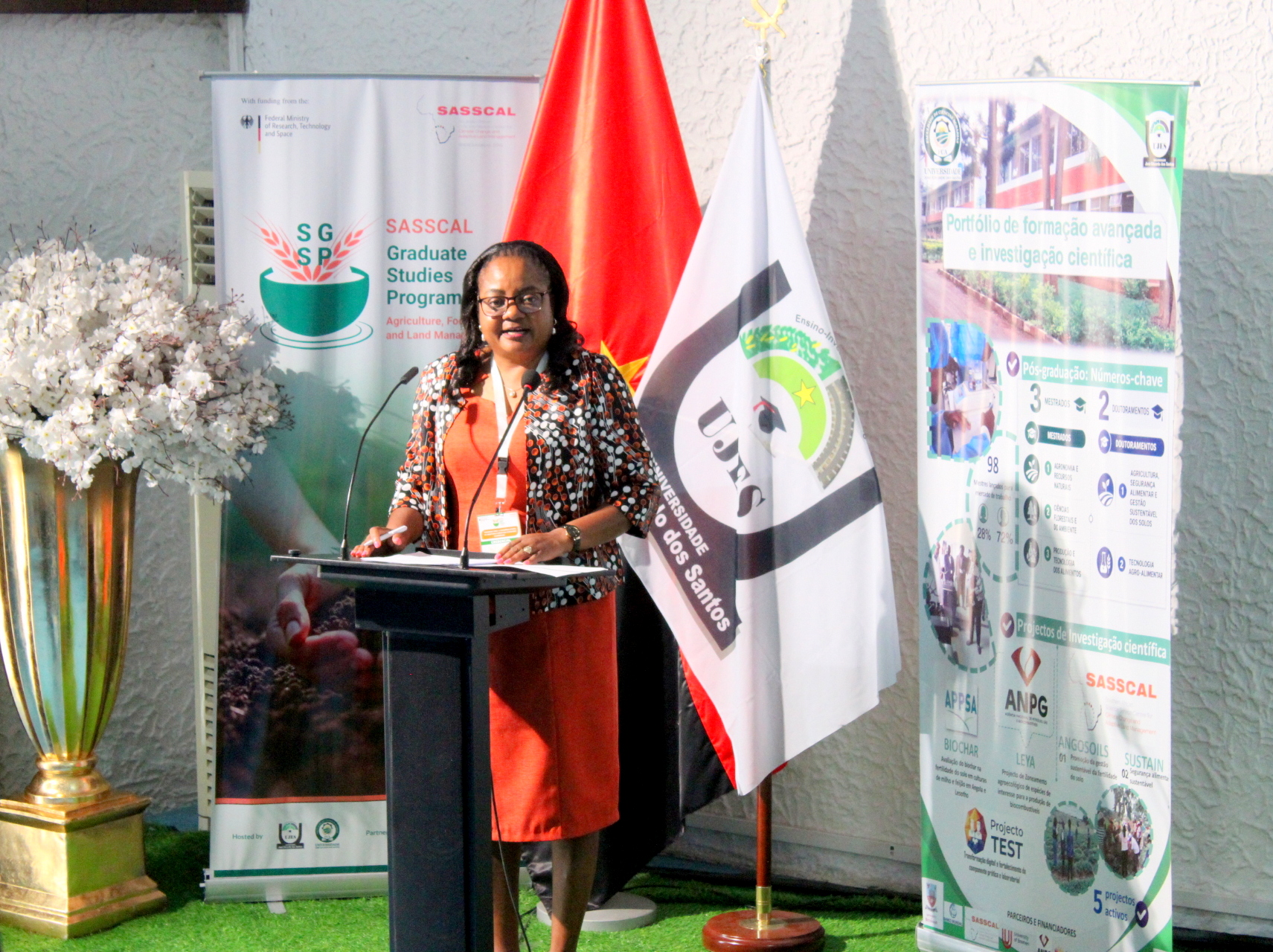
SASSCAL Executive Director, Prof. Nelago Indongo, delivered the keynote address on SASSCAL and the graduate programme, highlighting its regional importance and the partnerships that made its establishment possible. She welcomed the students and encouraged them to make the most of the opportunity through discipline, collaboration and research that responds to the practical needs of their communities.
Prof. Indongo emphasised that the programme was developed through sustained engagement among SASSCAL Member States, the Government of Angola and the Federal Republic of Germany, through the German Federal Ministry of Research, Technology and Space (BMFTR).
She also acknowledged the role of Angola’s Ministry of Higher Education, Science, Technology and Innovation in supporting the initiative through its engagement in SASSCAL’s governance structures and regional negotiations. The support of the Huambo provincial authorities was also recognised as an important factor in creating a conducive environment for the programme.
The Executive Director commended UJES for positioning itself as a regional centre of excellence in agriculture, food security and sustainable land management. She highlighted the university’s leadership and institutional commitment as essential to ensuring that the programme becomes firmly established within its academic structures and continues to grow in quality and impact.
The inauguration represents another milestone in SASSCAL’s efforts to strengthen scientific cooperation and higher education across Southern Africa. Through the programme, UJES joins a wider academic network that will connect regional research priorities with international scientific developments.
The ceremony was officiated by UJES Rector, Prof. Dr. Virginia Quartim, who delivered an address on behalf of the Minister of Higher Education, Science and Technology. Her participation underscored the importance of higher education and research in supporting national development and regional cooperation.
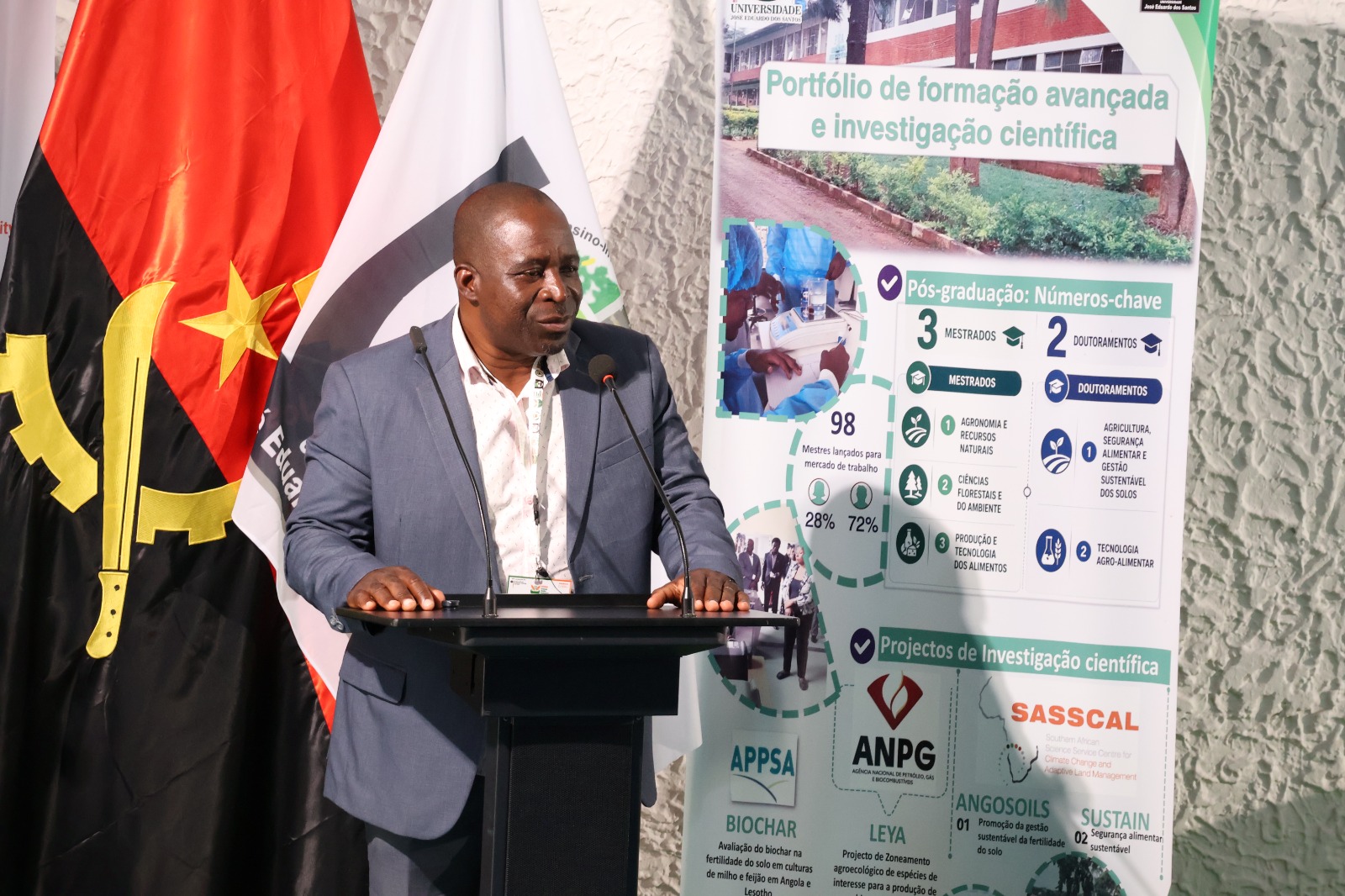
SASSCAL Governing Board Member for Angola, Dr. Amilcar Da Silva, also delivered remarks at the event, while Prof. Loucao Bongo, Director of SGSP-AFSLM, outlined the programme’s objectives and its expected contribution to research and human capacity development.
The programme is supported by the collective commitment of SASSCAL’s five Member States and the Federal Republic of Germany through BMFTR. This partnership reflects a shared ambition to develop the scientific skills and knowledge required to respond to climate change, strengthen food systems and promote the sustainable management of land and natural resources.
SASSCAL will coordinate with UJES and the relevant partners to support implementation in line with agreed responsibilities, timelines and operational arrangements. The university has already put structures in place for the programme’s implementation and appointed academic leadership to guide its activities.
Addressing the new students, Prof. Indongo stressed the importance of time management, academic discipline and meeting research deadlines. She encouraged them to remain curious, work collaboratively with fellow students and supervisors, and ensure that their research contributes to solving real challenges in their respective countries.
Beyond the opening ceremony, SASSCAL’s ambition is to see the programme produce qualified graduates, meaningful research and lasting partnerships that benefit Angola and the wider Southern African region.
The long-term success of SGSP-AFSLM will depend on sustained cooperation among the university, SASSCAL, governments, funding partners, academic staff and students. By investing in advanced training and regionally relevant research, the programme is expected to contribute to stronger scientific capacity and more sustainable approaches to agriculture, food security and land management across Southern Africa.
About SASSCAL
SASSCAL is a regional science organisation established through cooperation between five Southern African countries; Angola, Botswana, Namibia, South Africa and Zambia and Germany. It supports research, scientific capacity development and the provision of information to address climate change and promote sustainable land management in the region.