The International Conference on Circular Economy, Renewable Energies and Green Hydrogen in Africa (ICERA 2025) successfully took place from 21–22 October 2025 at the Mercure Hotel Windhoek, Namibia, under the theme “Fostering Africa’s Green Transition through Renewable Energy, Circular Economy, and Green Hydrogen.”
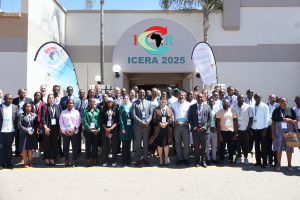
Jointly organized by the University of Rostock and the Southern African Science Service Centre for Climate Change and Adaptive Land Management (SASSCAL), in partnership with WASCAL Climate and the German Federal Ministry of Research, Technology and Space (BMFTR) as the main funding partner, the event brought together participants from across Africa and Europe (Online & in person) including researchers, policymakers, industry experts, students, and development partners.
Opening Ceremony
The conference was officially opened by Hon. Gaudentia Kröhne, Deputy Minister of Industries, Mines and Energy of Namibia, who highlighted Namibia’s growing leadership in the continent’s green transition and encouraged participants to pursue “fruitful deliberations, productive engagements, and lasting collaborations.”
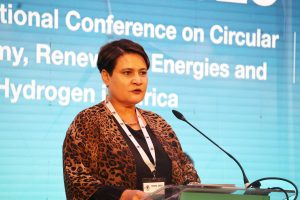
Hon. Gaudentia Kröhne, Deputy Minister of Industries, Mines and Energy of Namibia
Welcoming remarks were delivered by Dr. Budzanani Tacheba, Director of Science and Technology at SASSCAL, who reflected on the institution’s long-standing aspiration to co-host ICERA since its inception in Ghana in 2023. He reaffirmed SASSCAL’s commitment to advancing Africa’s sustainable energy transition and regional cooperation in research and innovation.
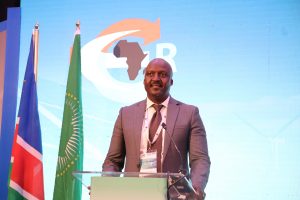
Dr. Budzanani Tacheba, Director of Science and Technology at SASSCAL
Opening remarks from Mrs. Kerstin Annassi, representing BMFTR, underscored Germany’s continued support in fostering research collaboration and strengthening local expertise across Africa. She also emphasized BMFTR’s investment in pilot projects such as Cleanergy Solutions Namibia and the Daures Green Hydrogen Village tangible examples of Africa’s growing role in shaping the global energy future.
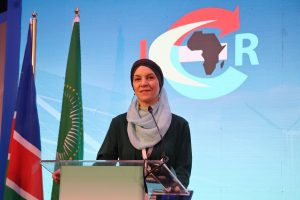
Mrs. Kerstin Annassi, BMFTR
Prof. Dr. habil. Satyanarayana Narra from the University of Rostock provided an overview of the ICERA series and its evolution, highlighting the conference’s growing impact as a continental platform for knowledge exchange, research collaboration, and innovation-driven solutions.
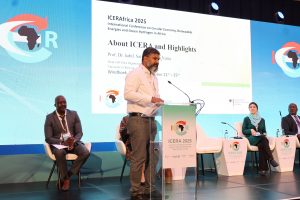
Prof. Dr. habil. Satyanarayana Narra, University of Rostock
Thematic Sessions and Discussions
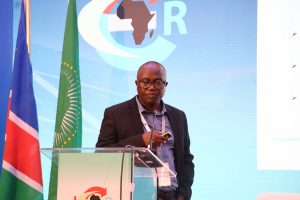
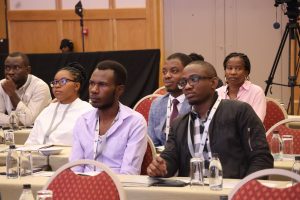
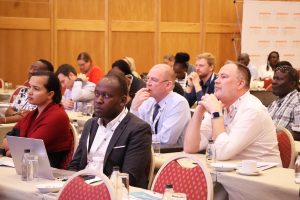
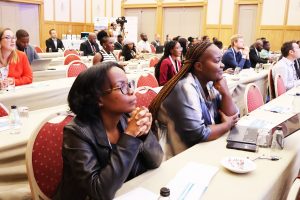
Over two intensive days, participants engaged in scientific presentations, policy discussions, and panel sessions exploring key themes including:
- Renewable Energy Development and Innovation
- Circular Economy and Waste Management
- Green Hydrogen Production, Policy, and Industrialisation
- Legal and Financial Frameworks for the Energy Transition
- Environmental, Health, and Cultural Dimensions of Sustainable Energy
The sessions fostered valuable dialogue between academia, policymakers, and private sector actors, focusing on how Africa can leverage science, technology, and partnerships to accelerate the green transition.
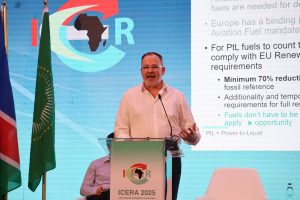
Scientific Field Visits
As part of the ICERA 2025 programme, delegates visited two of Namibia’s flagship BMFTR-funded pilot projects, Cleanergy Solutions Namibia (H₂ Dune) in Walvis Bay and the Daures Green Hydrogen Village in the Erongo Region.
Cleanergy Solutions Namibia (H₂ Dune)
Delegates explored Africa’s first fully integrated green hydrogen production and refuelling facility, featuring a solar-powered, off-grid electrolyser, refuelling station, and a Hydrogen Academy dedicated to building local technical capacity.
The locally produced green hydrogen is already powering dual-fuel trucks, tractors, and off-grid hydrogen gensets. The Academy has also conducted training programmes in partnership with institutions from Namibia and Europe, demonstrating Namibia’s leadership in innovation and skills development.
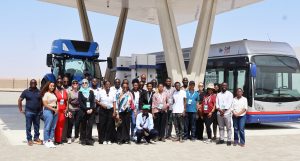
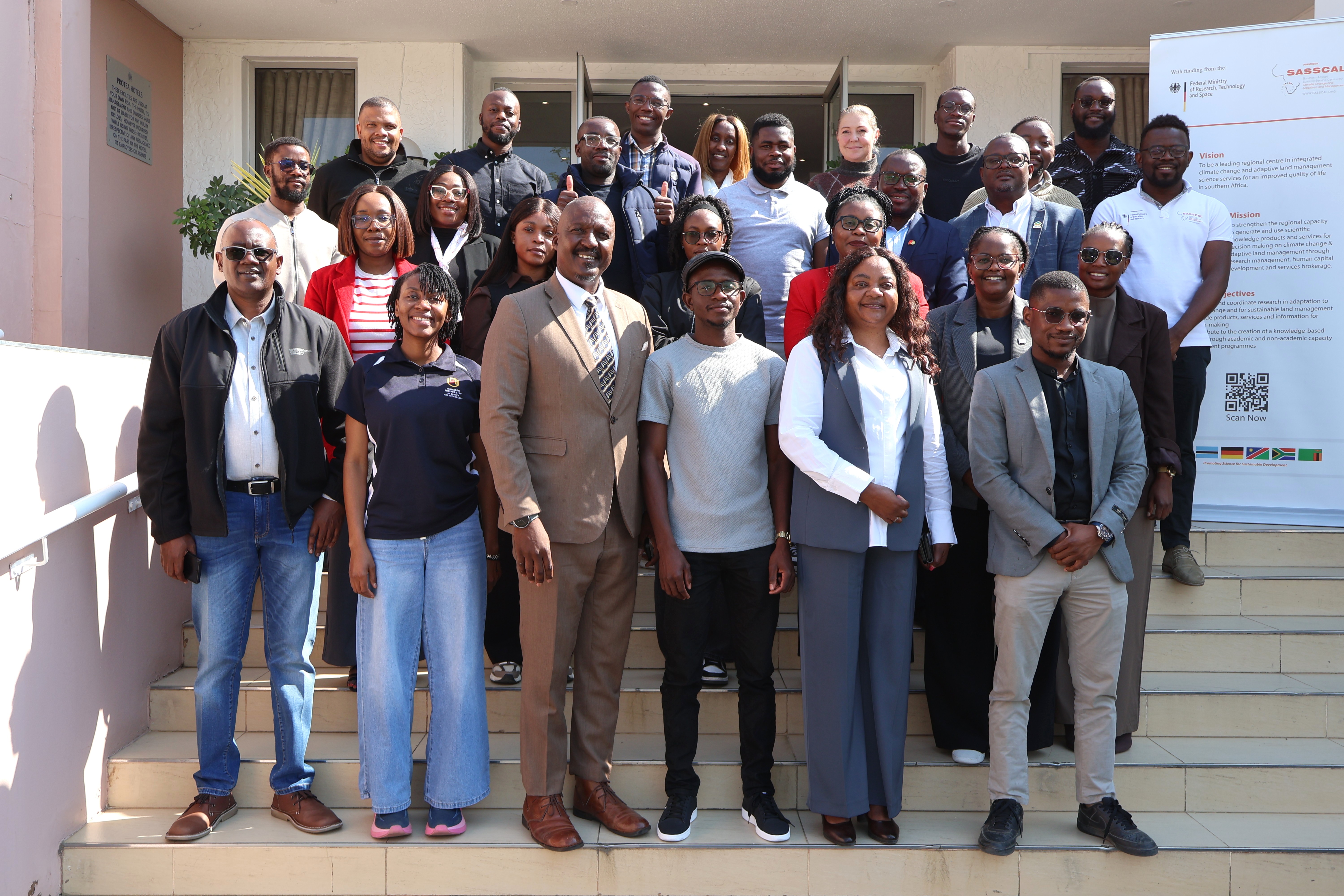
Group Picture from Cleanergy Solutions Namibia site visit
Daures Green Hydrogen Village
At the Daures Green Hydrogen Village, participants witnessed how green hydrogen, renewable energy, and agriculture intersect to drive a circular economy. The project aims to produce 18 tonnes of green hydrogen and 100 tonnes of green ammonia by 2026, with the ammonia being used for local fertiliser production and agricultural activities. Delegates toured the 1-hectare greenhouse and nursery facilities, already producing cucumbers, tomatoes, and peppers supplied to local markets. The project also houses a training centre, laboratory, and renewable energy demonstration units, reinforcing Namibia’s commitment to sustainable, inclusive development.
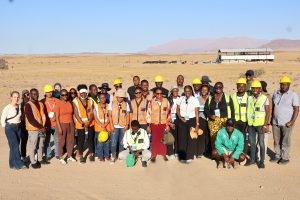
Group picture from Daures Green Hydrogen Village site visit
Strengthening Partnerships for Africa’s Energy Future
ICERA 2025 reaffirmed the shared commitment of African and European partners to build capacity, foster technology transfer, and promote innovative solutions for sustainable development. The event highlighted the vital role of collaboration between governments, academia, industry, and development partners in achieving Africa’s green transition goals.
The conference concluded with a Gala Dinner, where Ethiopia was proudly announced as the host country for ICERA 2026, marking the next chapter in the ICERA journey toward a greener and more resilient Africa.
About ICERA
The International Conference on Circular Economy, Renewable Energies and Green Hydrogen in Africa (ICERA) serves as a collaborative platform for research institutions, governments, and industries to exchange ideas, share scientific findings, and shape Africa’s sustainable energy future.
For more information about ICERA and future events, visit:
🔗 www.icerafrica.com