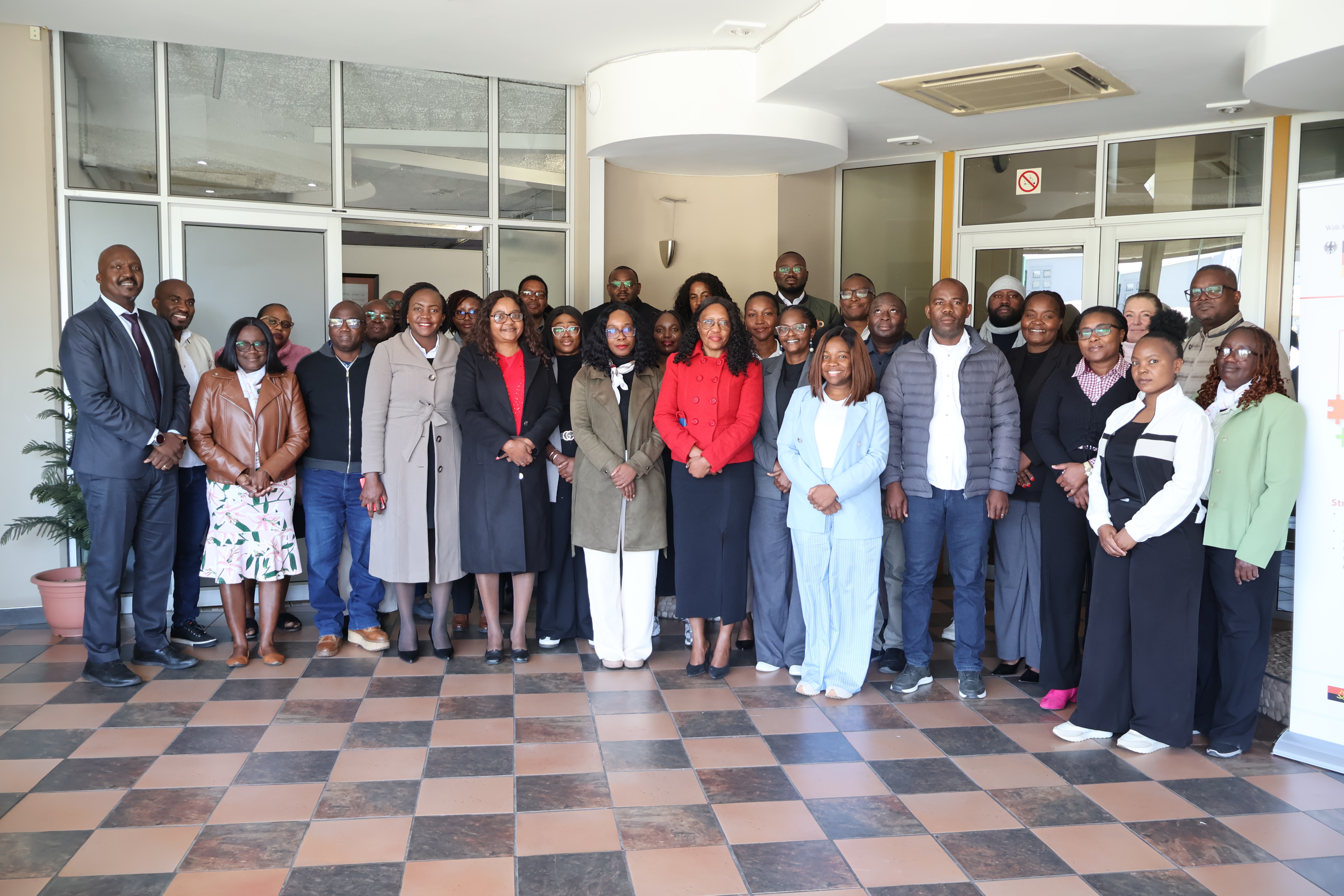
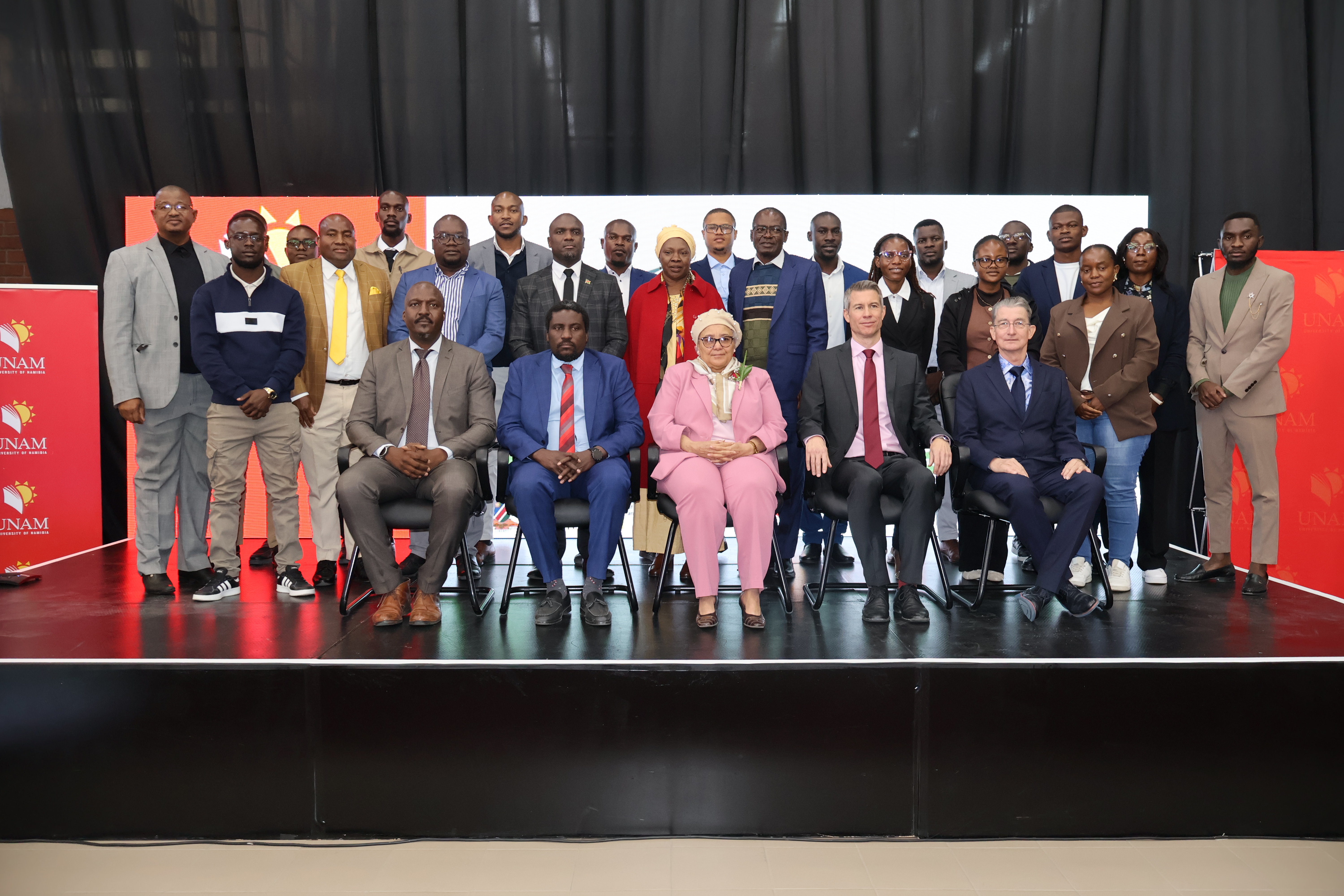
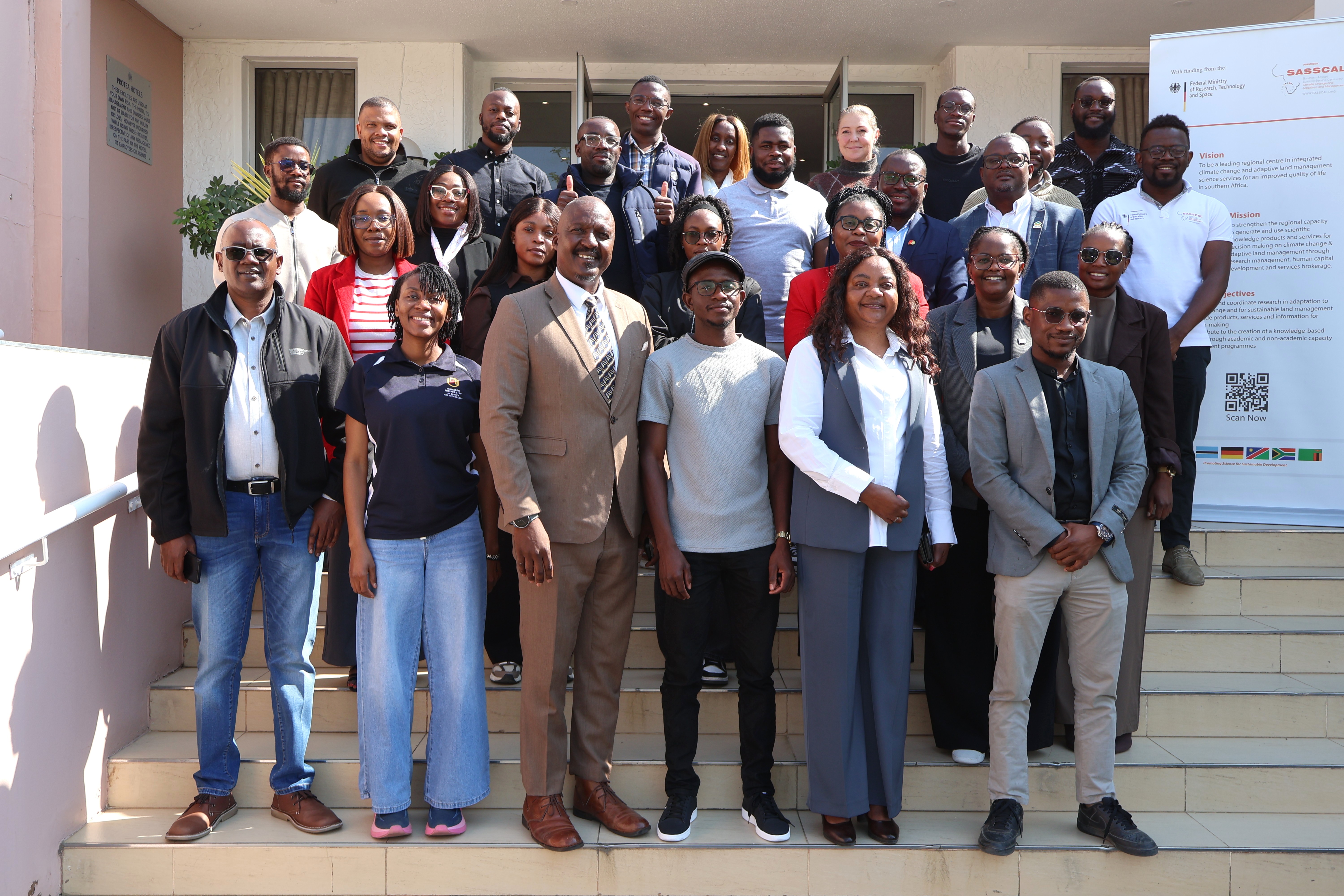
More than 100 people recently met in Luanda, Angola, to acquaint themselves with the progress that SASSCAL’s second research portfolio has made so far.
Representatives from the Government, Development Partners, Local Authorities, State-Owned Enterprises, research partner institutions, Academic institutions, and officials of the Ministry of Science, Technology and Innovation, SASSCAL, and the Community were in attendance.
Principal Investigators from SASSCAL-funded projects, namely ANGSOILS (Sustainable Management Of Soil Fertility), BEEKEEPING, PLANT PROPERTIES, ELNAC (Enhanced Livelihoods and Natural Resource Management), WIRE (Water storage in the Angolan-Namibian Iishana system), SUSTAIN (Sustainable Food Security and Woodland Utilization for Drought-Prone Communal Areas under Climate Change in SADC Countries) and VRPE (Virtual Regional Pole of Engineering), presented their research projects during the two-day 2.0 Thematic Workshop from 2nd to 3rd April, 2025.
As a SASSCAL member state, Angola hosts SASSCAL’s research Priority Area, “Agriculture, Food Security and Land Management.” Further, Angola provides strategic leadership through the coordination of ANGSOILS (Sustainable management of soil fertility) and VRPE (Virtual Regional Pole of Engineering) projects.

Moreover, to embrace the theme “Agriculture and Research for Food Security in a World with Climate Change”, several research contributions are expected from SASSCAL 2.0 projects’ research packages, but domiciled within Angola.
The two-day event was convened to showcase the scientific research progress of the SASSCAL 2.0 research portfolio, with a specific focus on the seven projects currently being implemented in Angola, as outlined below.
| Research Area | Acronym | Focus |
| Food Security | SUSTAIN | Promoting food security through sustainable agricultural practices. |
| Food Security | BEEKEEPING | Advancing beekeeping methods and honey production. |
| Biodiversity and Heath Ecosystems | Property Plants | Assessing the nutritional and medicinal properties of selected plants from Angola and South Africa. |
| Water Security | WIRE | Enhancing water storage in the Angolan–Namibian Iishana system through resource management and climate adaptation. |
| Climate Change | ELNAC | Strengthening natural resource management in response to accelerated climate change. |
| Cross-cutting Areas (Agriculture, Water, Climate Services, Biodiversity) | VRPE | Supporting SASSCAL projects in the collection, transmission, and integration of sensor data through IoT technologies. |
| Food Security | ANGSOILS | Investigating the relationship between soil properties and the morphological-molecular traits of native rhizobia in Angola and Zambia. |
The specific objectives of the workshop were to present SASSCAL 2.0 projects results focusing on the agriculture and Climate Change; identify existing research gaps, challenges and opportunities (explore opportunities for future utilization of research innovations) in the Climate data and Services in Angola ; and to strengthen stakeholders’ relationships between researchers and end users within SASSCAL 2.0 research portfolio.

Angola’s Deputy Minister for Science, Technology and Innovation, Honourable Prof Alice Ceita Almeida officiated the event on behalf of H.E. Prof. Dr Albano Ferreira, the Minister of Higher Education, Science, Technology and Innovation.
The deputy minister said combating hunger and significantly reducing poverty is one of the priority issues for the Angolan Government.
“We are convinced that the scientific research projects whose results will be presented during this workshop are aligned with these types of concerns, and therefore, paths related to mitigation and adaptation to climate change will certainly be presented,” she added.
The deputy minister recommends that the results of the scientific research and innovation projects to be presented at the workshop be converted into applications or prototypes and services that help solve problems in society, particularly those related to climate change.
The Food and Nutrition Security Action Plan is part of the National Food Security Strategy that describes the actions and institutional framework guiding the different sectors of the Angolan Government in implementing this plan.
She encouraged researchers in Angola and the SADC region to apply for SASSCAL funding and form inter-institutional teams.

Also speaking at the workshop, Angolan National Node Programme Coordinator, Dr Vasco Chiteculo said the effects of climate change on agriculture will depend on the rate and severity of change in the country and region, as well as the degree to which farmers and livestock producers can adapt.
In this context, the Workshop would share results and solutions for adaptation and mitigation in the face of the impact of climate change. He further noted that thematic workshops are conducted in alignment with the priority focus areas assigned to each SASSCAL member country: Angola leads on Agriculture, Namibia on Water, Zambia on Forests, Botswana on Biodiversity, and South Africa on Climate. Botswana and South Africa already held their thematic workshops in 2024.
“Of all the simultaneous crises we face in the world, none is more impactful, none is more forceful, than the issue of the climate crisis,” Dr. Chiteculo quoted one of the speakers on Climate Change adding that this needed joint efforts.

The workshop focused on deliberations around the SASSCAL 2.0 Research Framework, aligning with the mandate of the SASSCAL Angolan Node Centre of Excellence, the SASSCAL Centre for Food Security, Agriculture & Land Management and the event’s overarching theme: “Agriculture and Research for Food Security in a World with Climate Change.”