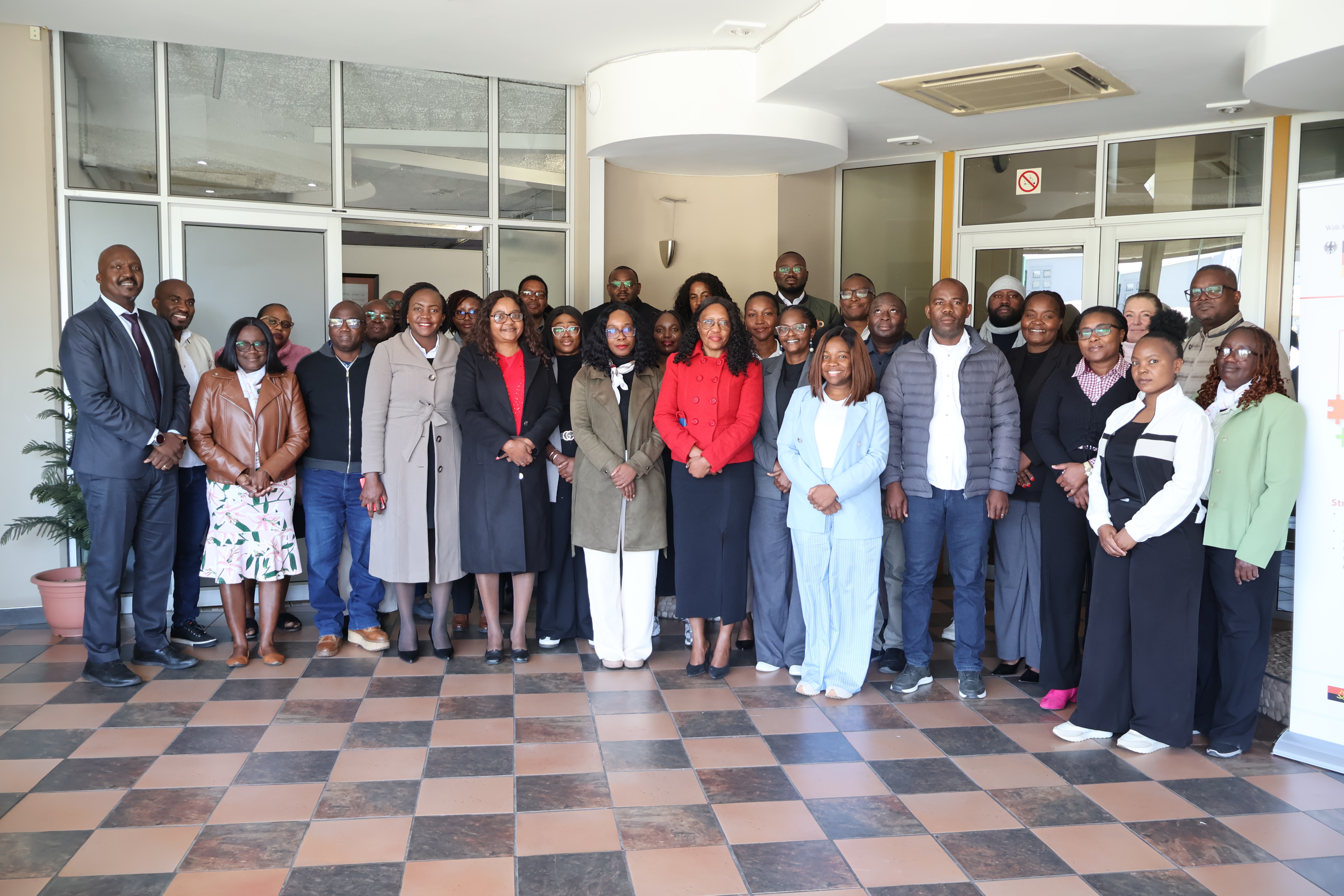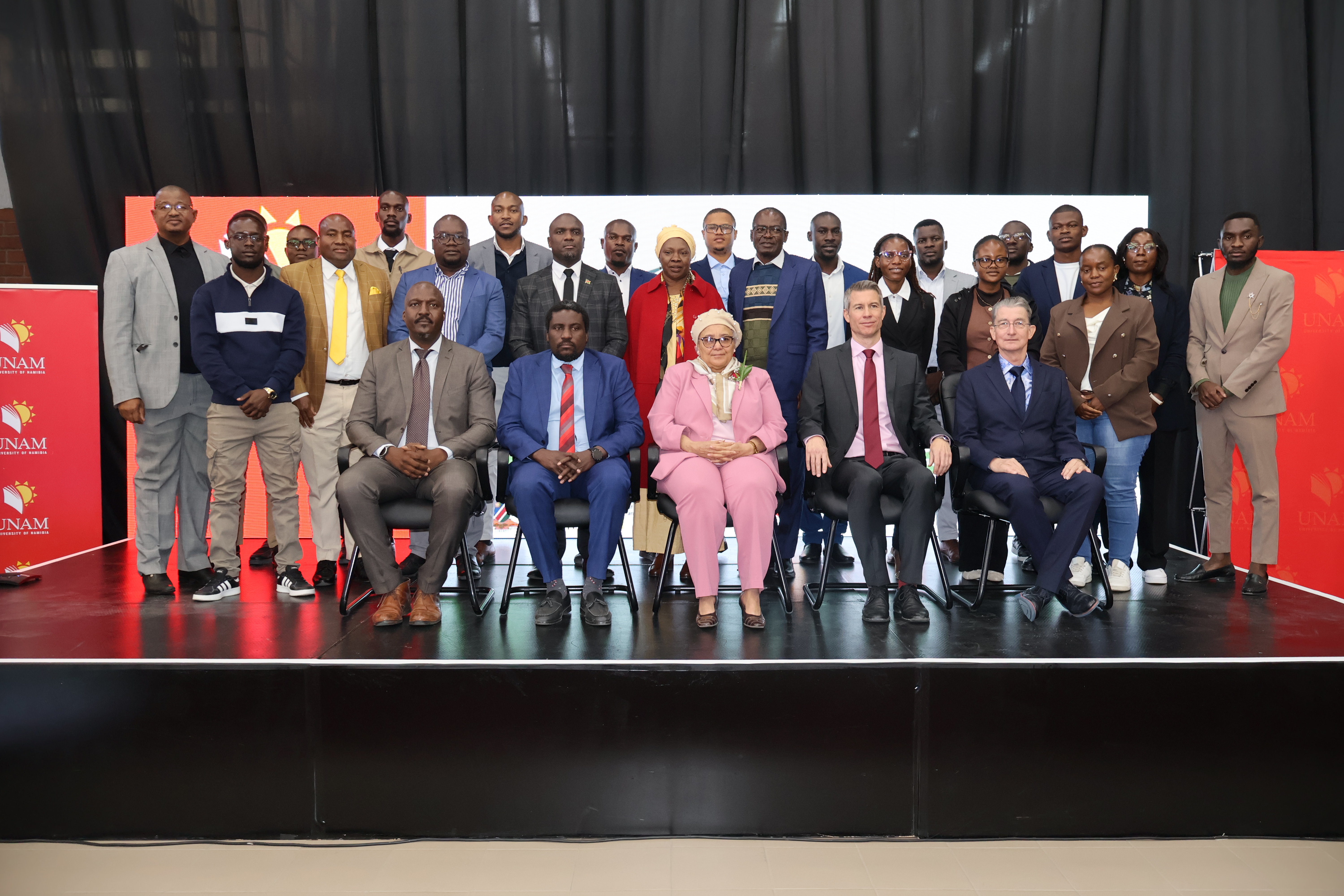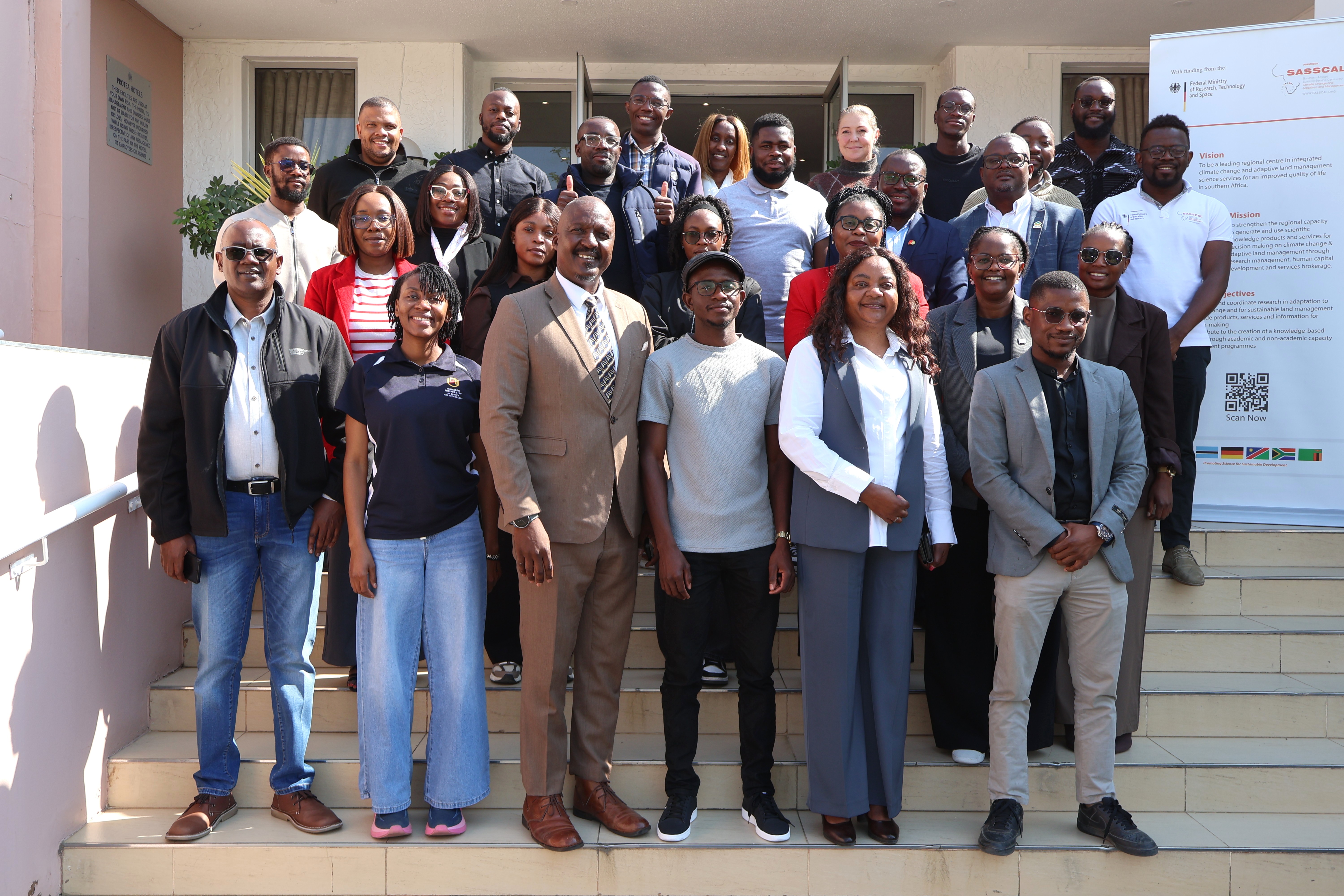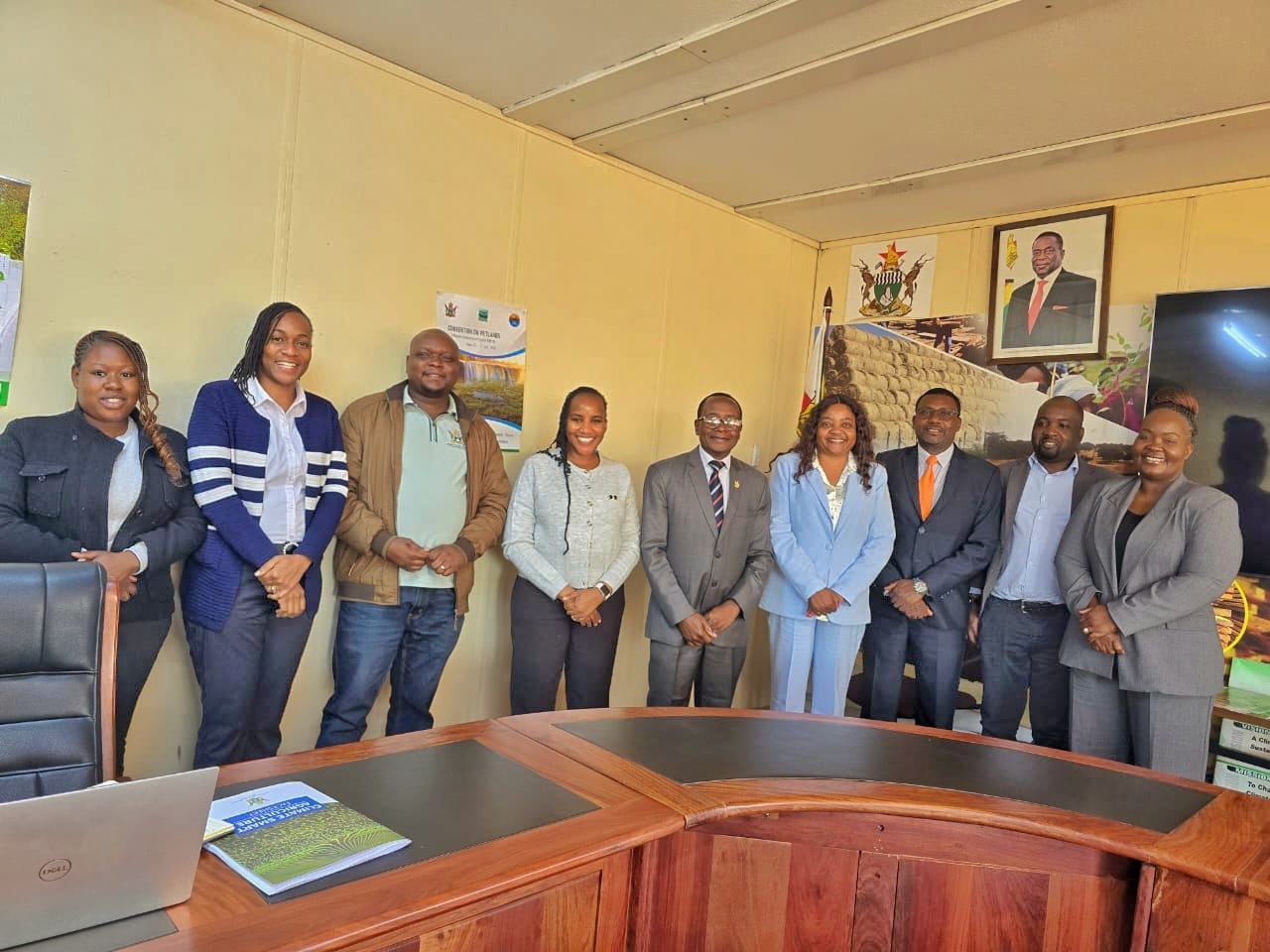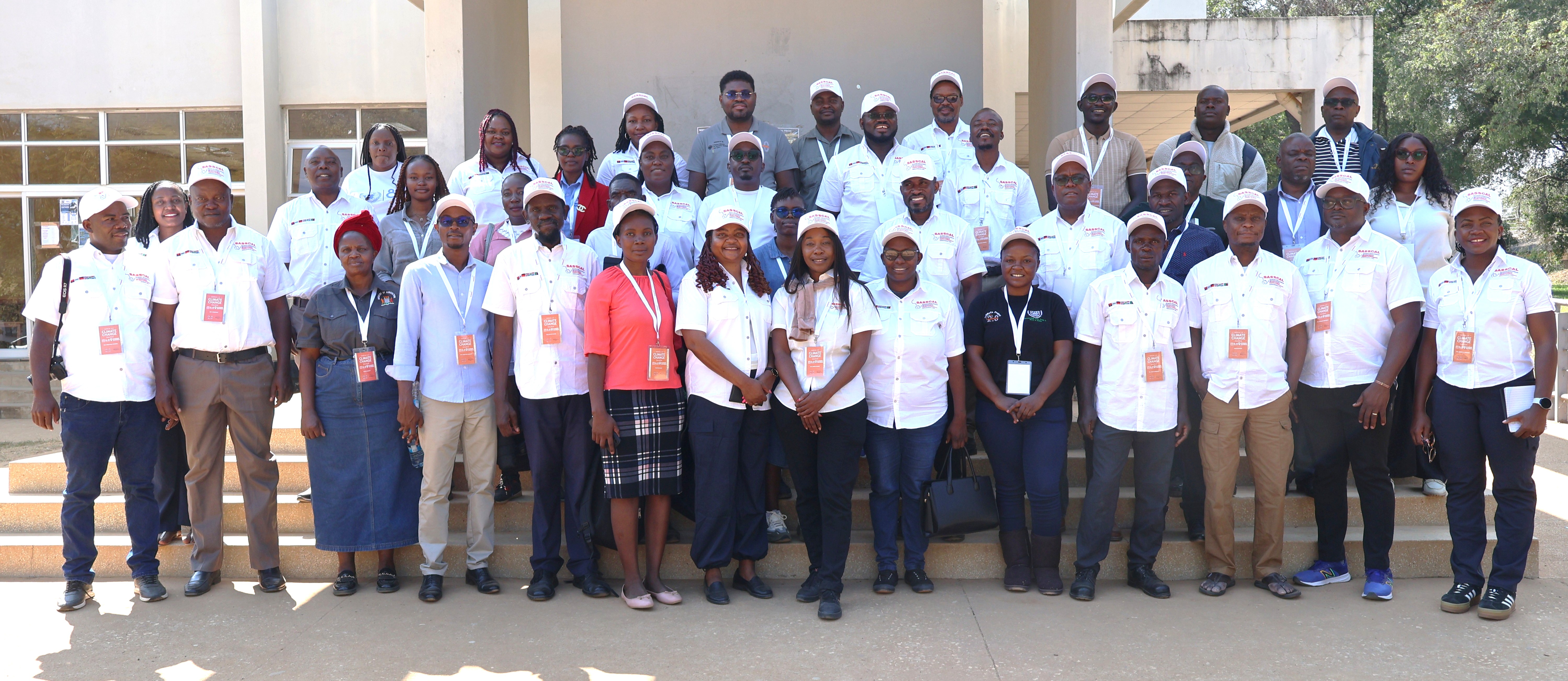
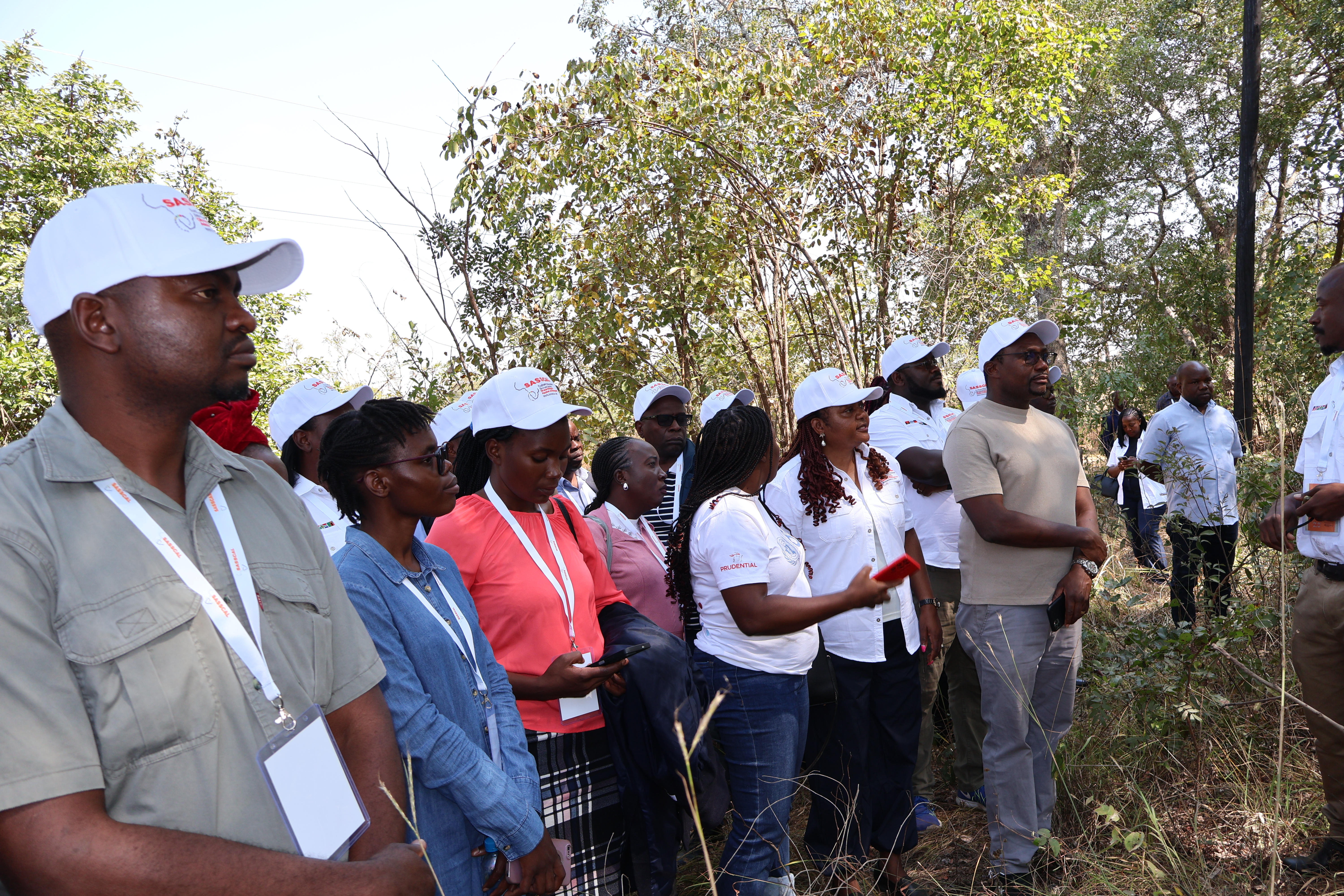
KABWE, Zambia – More than 60 researchers, policymakers, government officials, students, and development partners gathered in Kabwe from 4 to 5 June 2026 for the first SASSCAL 2.0 Climate Change Dialogue in Zambia.
The event provided a platform for participants to discuss how scientific research can help strengthen climate change responses in Zambia and across Southern Africa. It also served as an opportunity to review progress made under the SASSCAL 2.0 Research Programme, share experiences and innovations, and identify practical solutions for building resilience in forestry, agriculture, food security, and water resources management.
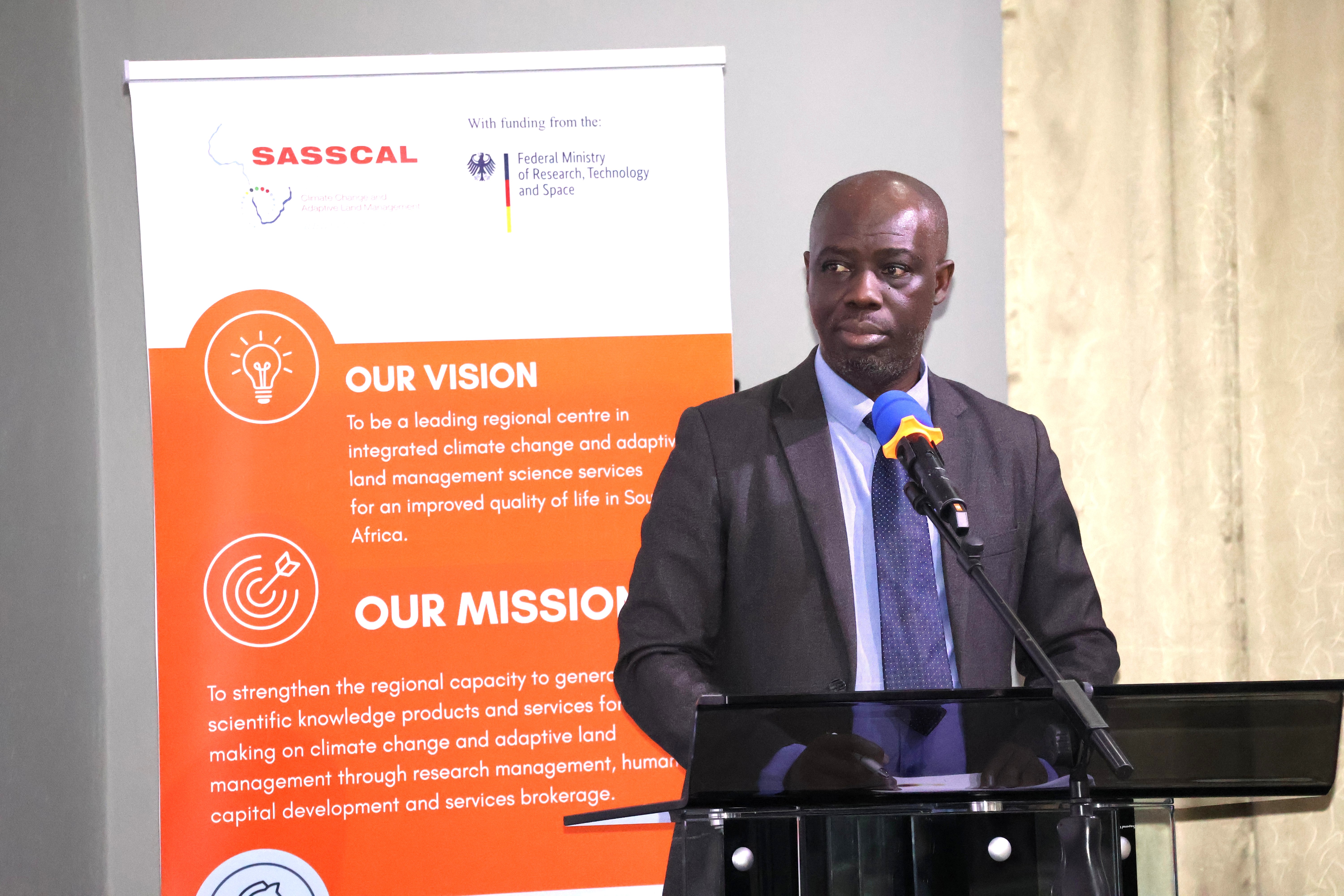
Speaking on behalf of Zambia’s Central Province Deputy Permanent Secretary, Mr. Godfrey Chitambala, Mr. Justin Kapenda highlighted the importance of SASSCAL in strengthening regional capacity to generate and use scientific knowledge for climate change adaptation and sustainable land management.
He noted that Central Province, a region largely dependent on smallholder farming and livestock production, has been heavily affected by climate change. He referred to the severe 2023–2024 drought, which was declared a national disaster, as a clear example of the growing challenges facing farming communities.
“The impacts of climate change are becoming more visible every year. Scientific research and innovation are critical in helping communities adapt and build resilience,” he said.
The SASSCAL 2.0 Research Programme, funded by the German Federal Ministry of Research, Technology and Space with an investment of €10 million, was implemented between 2022 and 2025 across the five SASSCAL member countries: Angola, Botswana, Namibia, South Africa, and Zambia. The programme consists of 13 research projects addressing key climate and environmental challenges in the region.
Mr. Kapenda explained that the dialogue was designed to hear directly from researchers, policymakers, community members, stakeholders, and partners about the programme’s achievements, lessons learned, and future opportunities.
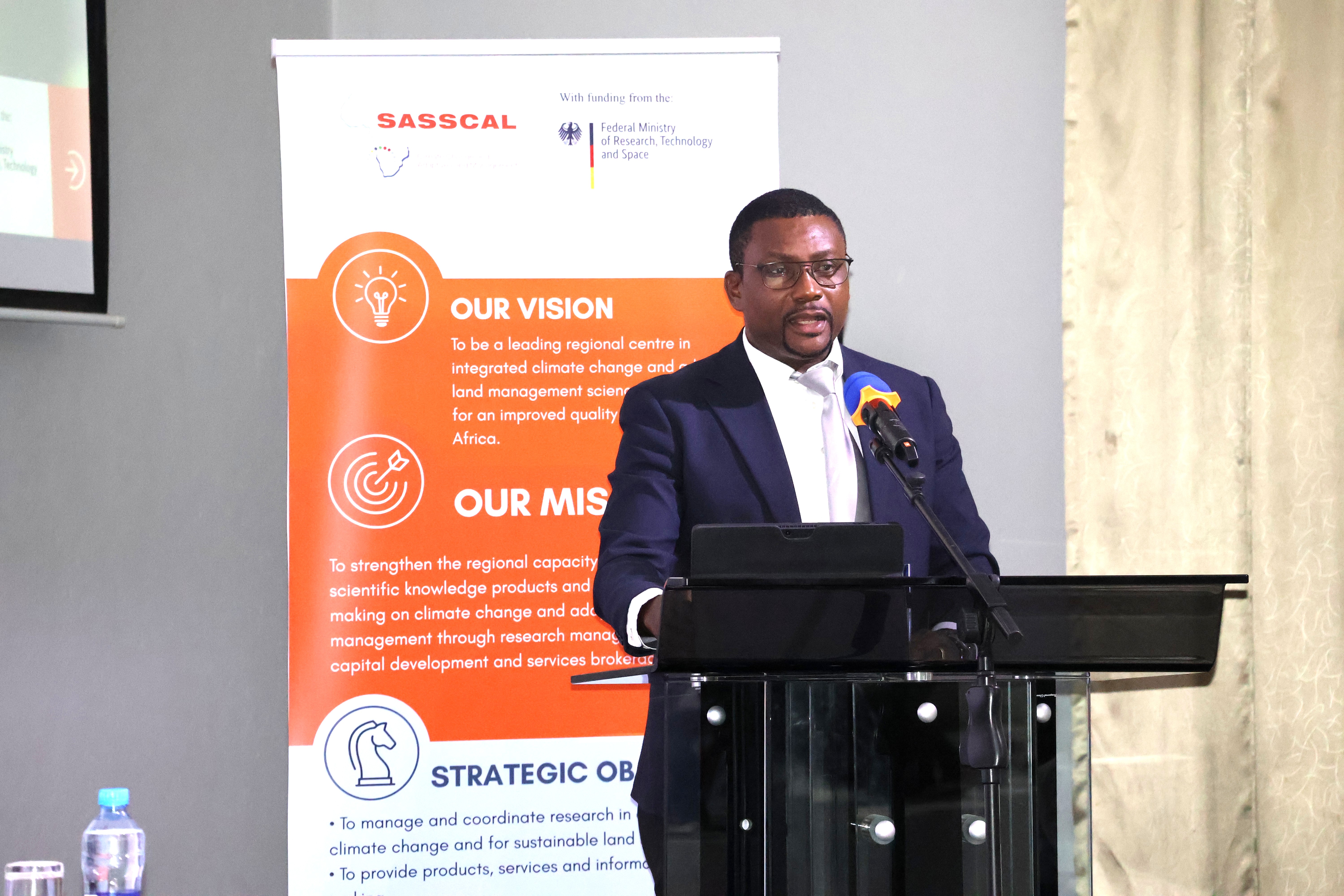
SASSCAL Alternate Board Member for Zambia, Mr. John Lukonde Chongo, emphasized the value of regional cooperation in addressing climate change.
“The Ministry of Technology and Science views partnerships such as SASSCAL as an important form of science diplomacy. Through collaboration, shared research, open data, and knowledge exchange, we can better address the environmental challenges facing our region,” he said.
During the event, SASSCAL Executive Director, Prof. Nelago Indongo, officially launched the Call for Book Chapters for the SASSCAL 2.0 Research Programme. She said the dialogue demonstrated SASSCAL’s commitment to ensuring that research findings are translated into practical knowledge that can benefit communities and decision-makers.
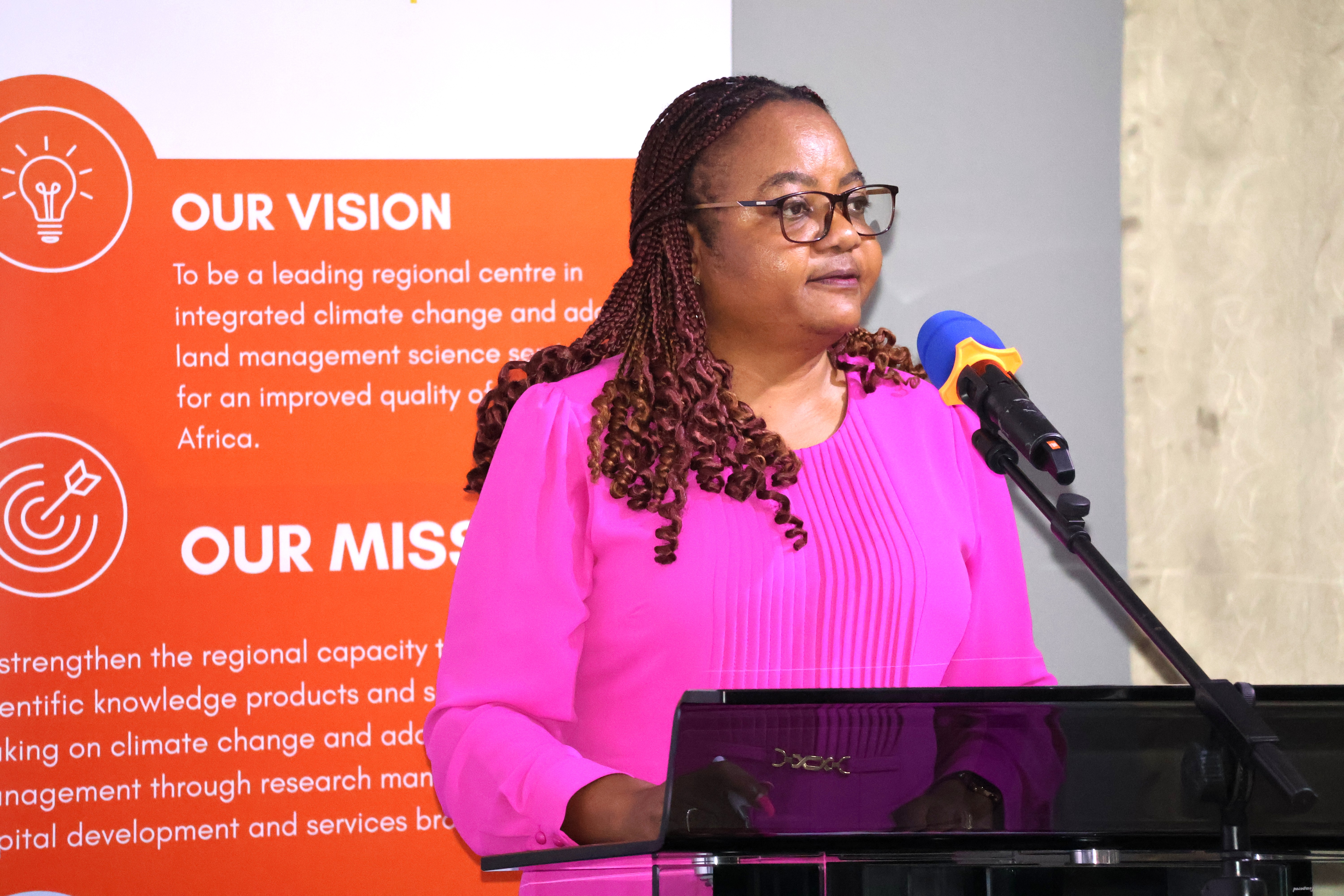
“This dialogue presents an opportunity to discuss how we can sustainably use our natural resources to improve livelihoods, strengthen food security, and promote environmental sustainability,” she said. “SASSCAL 2.0 is not only about producing scientific publications but also about ensuring that research findings are understood and applied by society.”
The event also highlighted some of the practical impacts of SASSCAL-supported research.
Mulungushi University Deputy Vice-Chancellor, Prof. Chansa Chomba Chomba, highlighted the success of SASSCAL’s Beekeeping Project, which is being implemented under the SASSCAL 2.0 Research Programme at the University.
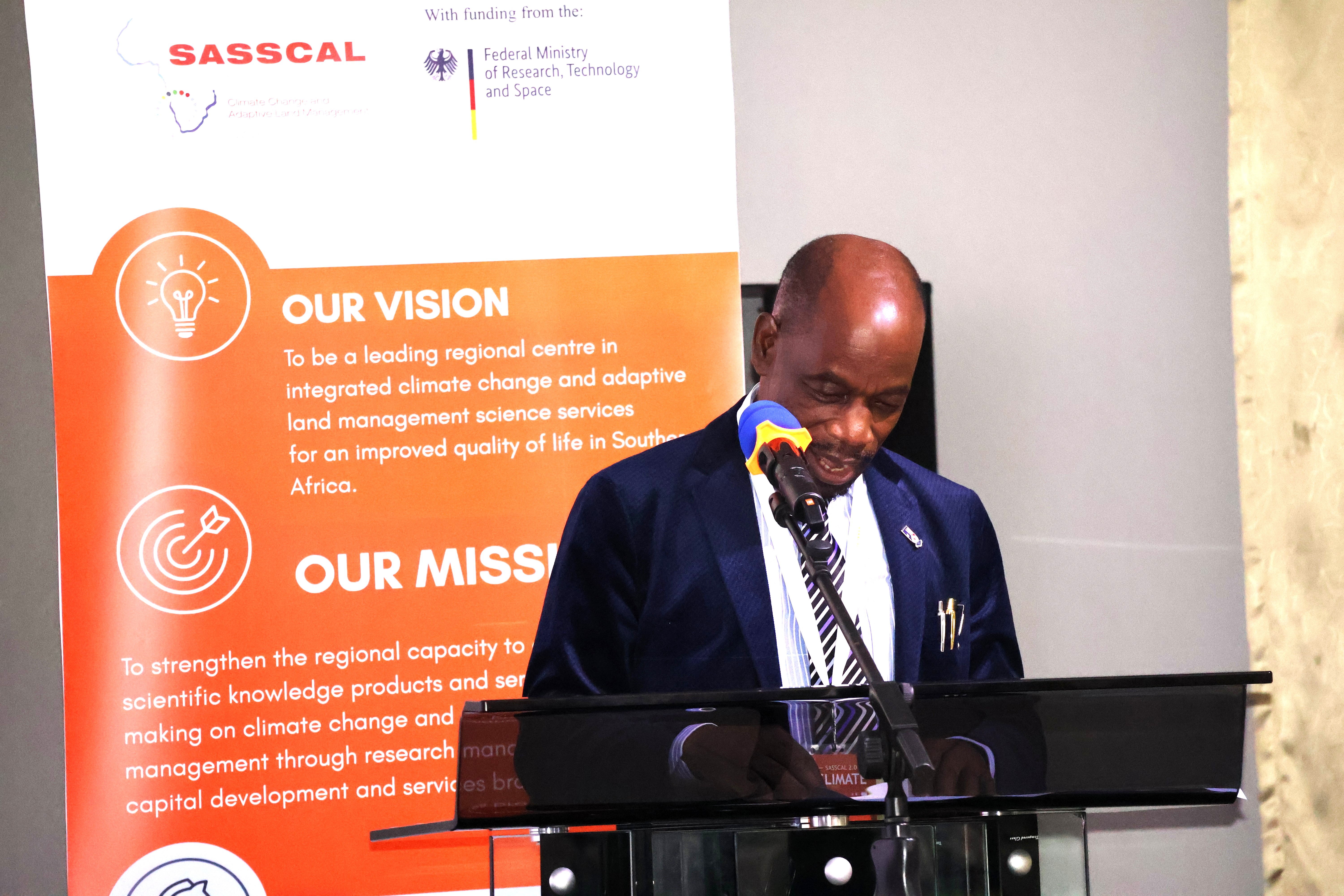
He revealed that the project currently produces processed organic liquid honey supplied to Shoprite stores across Zambia and is exploring opportunities to enter international markets. The university also produces beeswax products and is preparing to launch honey biscuits and BeeLux soap for sensitive skin after successfully completing the required certification processes.
Prof. Chomba said the project demonstrates how research can be transformed into sustainable economic opportunities for local communities.
The Zambia Climate Change Dialogue is the first in a series of national dialogues planned under SASSCAL 2.0. Similar events are expected to take place in Angola, Botswana, and Namibia in the coming months.