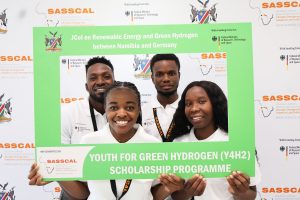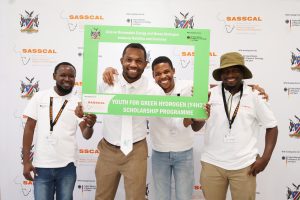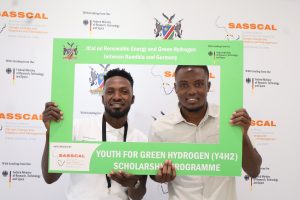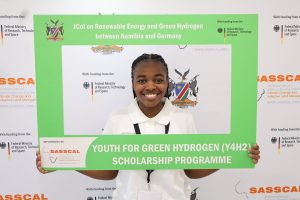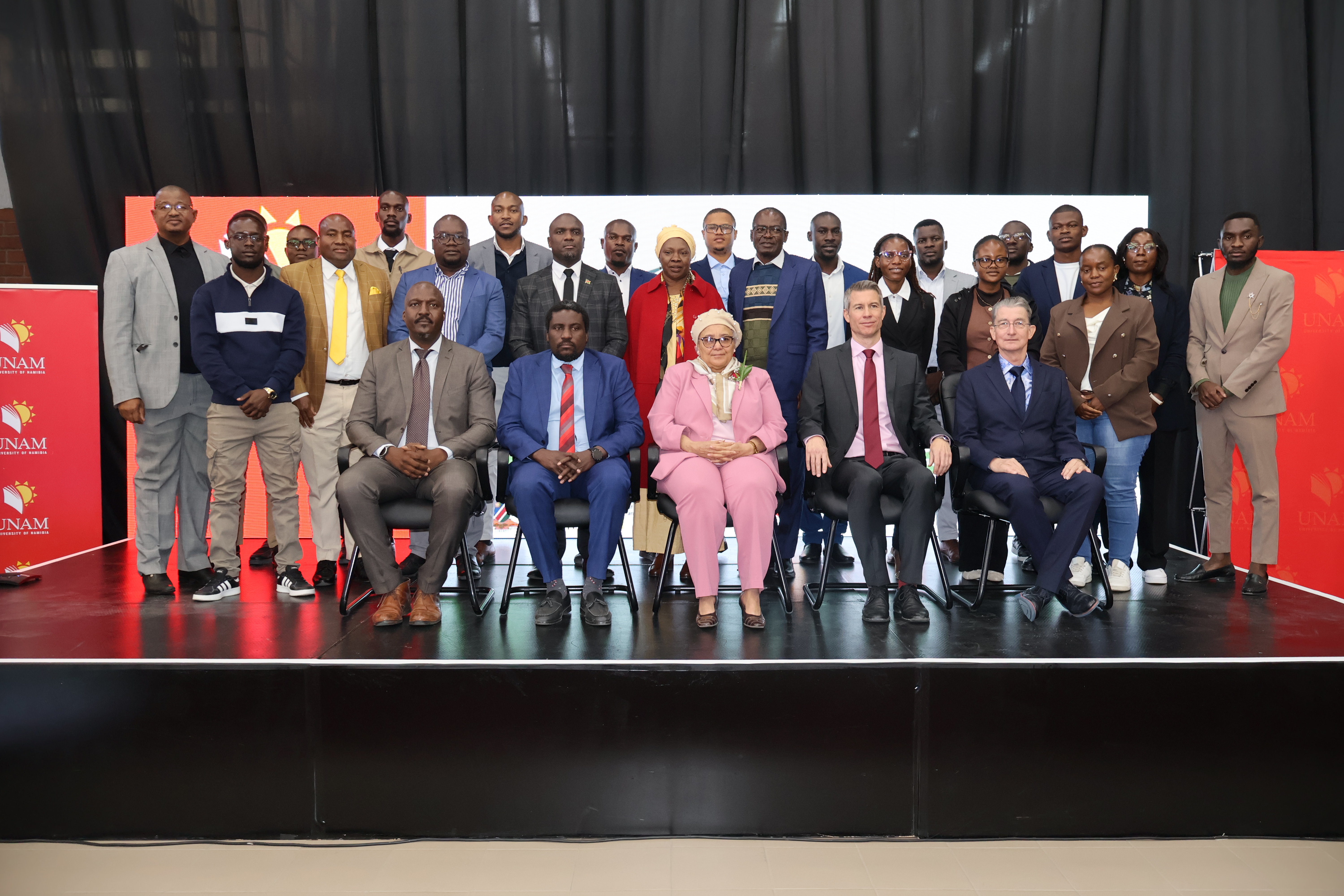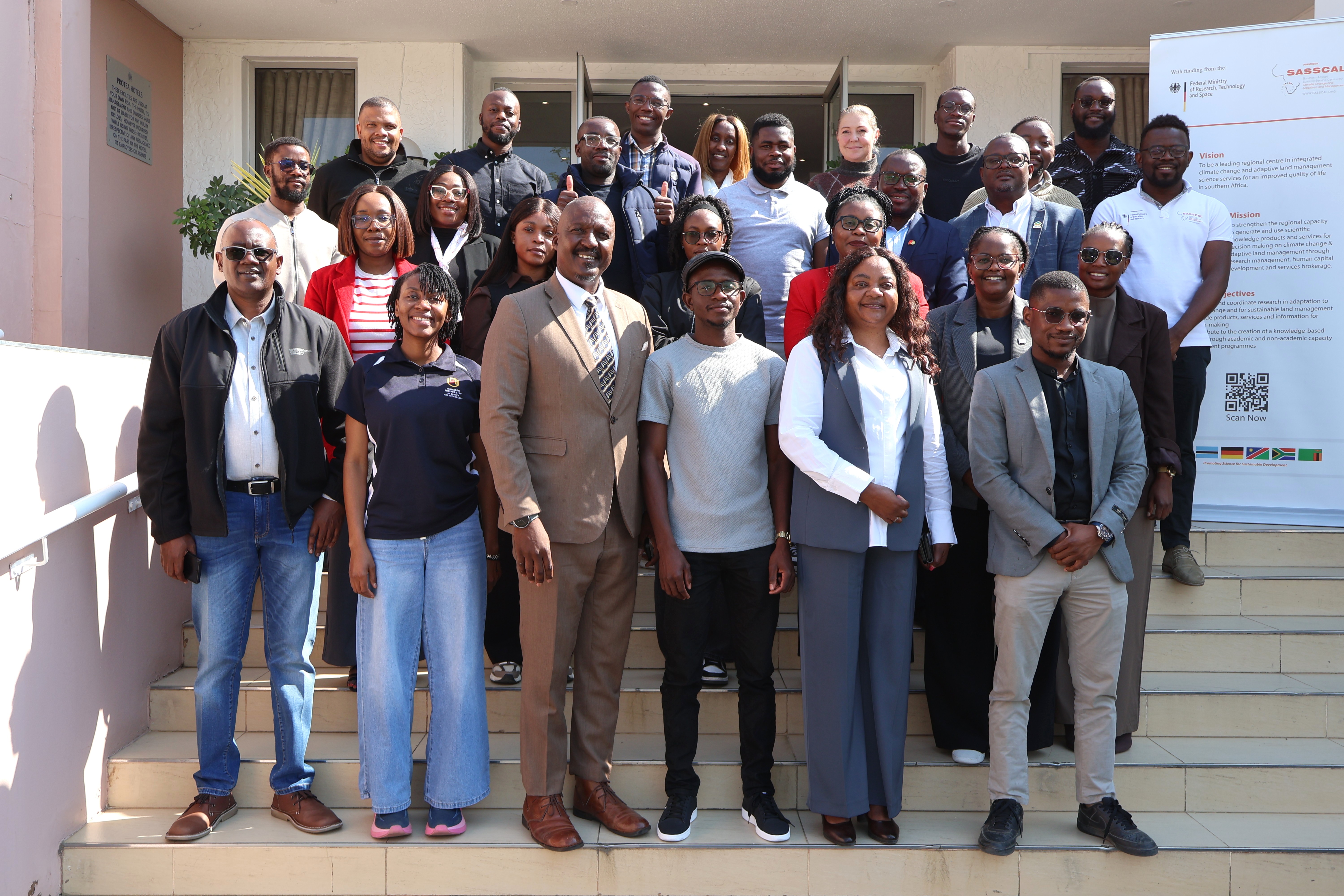
Group picture with participating Y4H2 students
SASSCAL recently hosted a three-day Green Hydrogen Masterclass for TVET students, an intensive training designed to bridge critical skills gaps and prepare young Namibians for opportunities in the country’s emerging green hydrogen sector. The training brought together Y4H2 scholarship recipients and trainers from various Technical and Vocational Education and Training (TVET) institutions in Windhoek and Walvis Bay.
Aligned with Namibia’s national green hydrogen ambitions, the Masterclass was developed to provide foundational knowledge and practical exposure to hydrogen technologies, safety, applications, and career pathways. Its goal is to help develop the skilled workforce needed for Namibia to realise its potential as a green hydrogen powerhouse.
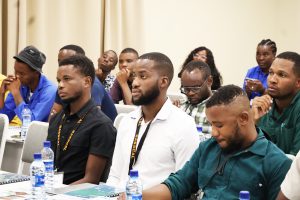
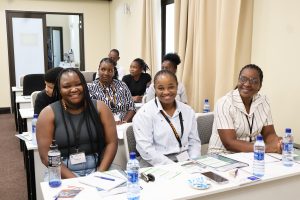
Photo taken during a masterclass
Building Skills for a Rapidly Growing Industry
As the global energy transition accelerates, green hydrogen is emerging as a key driver of decarbonisation. Namibia, with its exceptional renewable energy resources, is well positioned to become a leader in this sector. However, the current TVET curriculum does not yet fully prepare students for the technical demands of hydrogen production and related applications.
The Masterclass was therefore designed to equip students with essential theoretical and practical skills, filling a critical training gap and enhancing their readiness for employment in hydrogen-related industries.
Many participants are already studying in fields such as electrical engineering, welding, fabrication, and renewable energy—making them well placed to upskill quickly for green hydrogen jobs.
Masterclass Objectives
The training was structured around four key objectives:
- Introducing fundamental concepts of green hydrogen production, storage, and application.
- Strengthening understanding of hydrogen safety, risk management, and handling protocols.
- Exposing students to practical applications and identifying the TVET skills required within the hydrogen value chain.
- Encouraging interest in hydrogen-related careers and consolidating pathways into the renewable energy sector.
Three Days of Interactive Learning
The Masterclass was delivered in a blended format combining presentations, demonstrations, hands-on exercises, group discussions, and a virtual site visit to the Daures Green Hydrogen Village.
Day 1: Foundations and Context
Students were introduced to the energy transition, hydrogen basics, production pathways, Namibia’s hydrogen strategy, and emerging global and regional markets. The day ended with group work on identifying relevant TVET skills for the hydrogen value chain.
Day 2: Safety and Technologies
Sessions covered hydrogen hazards, safety protocols, detection tools, storage methods, and transport technologies. Students engaged in safety scenario simulations and explored sector applications including mobility, industry, and power.
Day 3: Skills, Careers, and Industry Engagement
The final day focused on technical roles in the hydrogen value chain, vocational training pathways, international best practices, and entrepreneurship opportunities. Students also participated in a virtual tour of the Daures project and engaged with industry experts. Certificates were awarded at the closing ceremony.
Impact on Students and TVET Readiness
The Masterclass not only deepened students’ understanding of hydrogen technologies but also broadened their perspective on future career opportunities within Namibia’s green hydrogen landscape. Participants highlighted how the training helped them connect their current studies to practical, real-world applications and strengthened their motivation to pursue hydrogen-related careers.
TVET trainers who attended also noted the importance of integrating hydrogen topics into institutional programmes to ensure national skills readiness as the industry evolves.
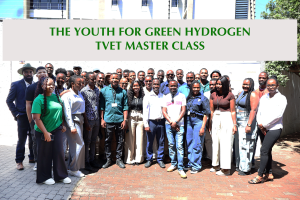
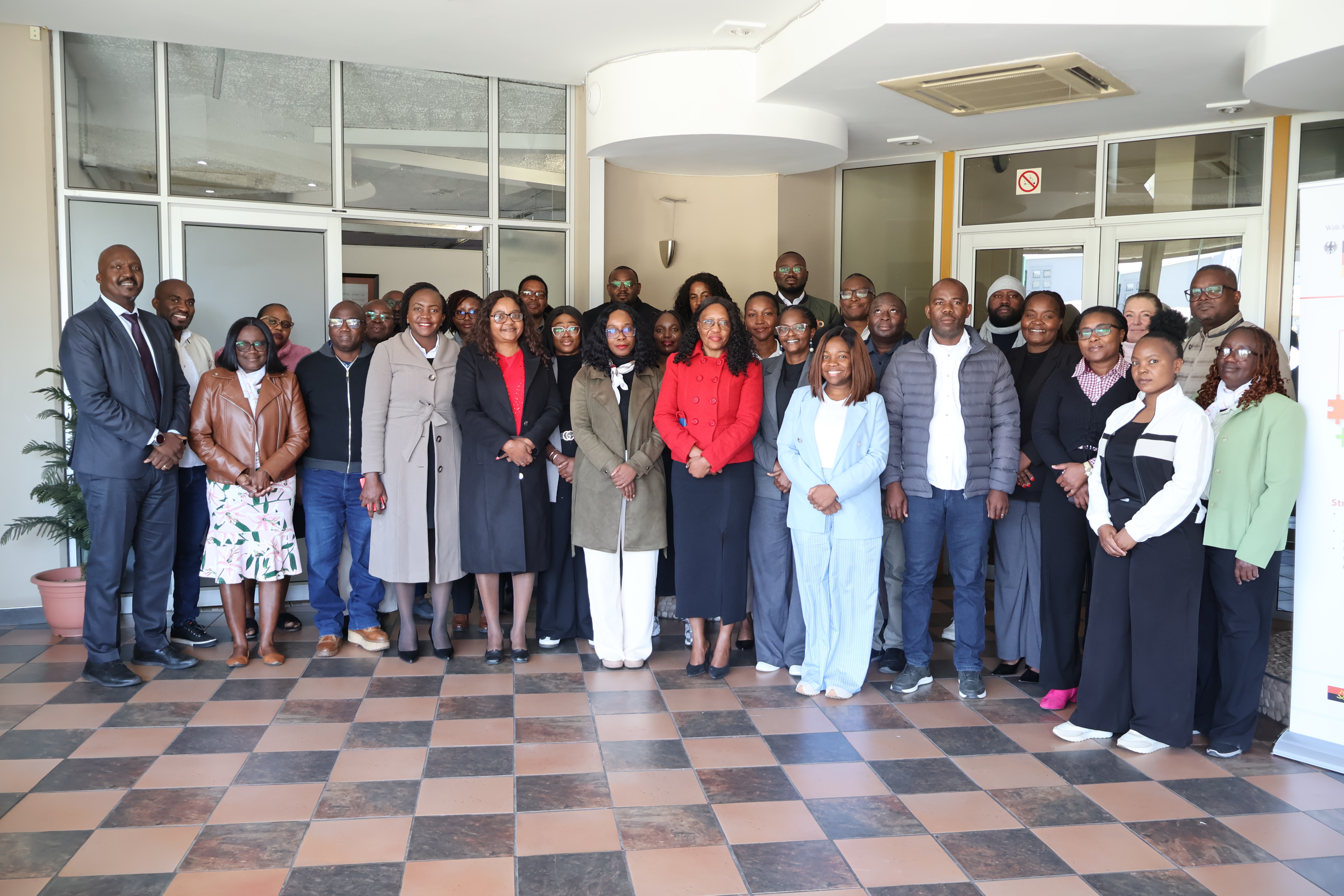
Group photo of Y4H2 students, trainers, and SASSCAL staff during the masterclass.
A Continued Commitment to Human Capital Development
This Masterclass is part of a broader effort under the Youth for Green Hydrogen (Y4H2) Programme to build Namibia’s human capacity for a sustainable energy future. With continued support under the JCoI partnership between Namibia and Germany and funded by BMFTR, the programme will roll out additional training sessions, outreach activities, and scholarship opportunities to expand technical expertise in the green hydrogen sector.
The success of this Masterclass reinforces the importance of coordinated, forward-looking skills development as Namibia advances toward a low-carbon, knowledge-driven energy economy.
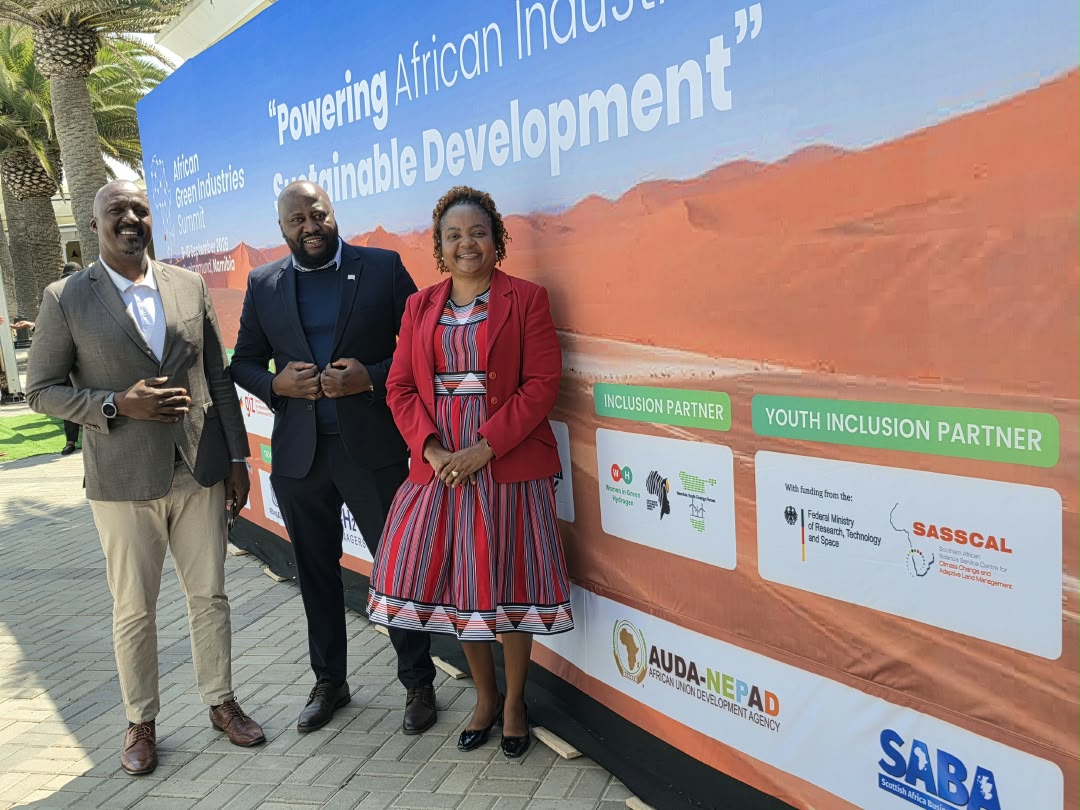
Scenes from the Masterclass